






Move38
Founder & CEO · 2016–2023
Play Shapes the Way We Think
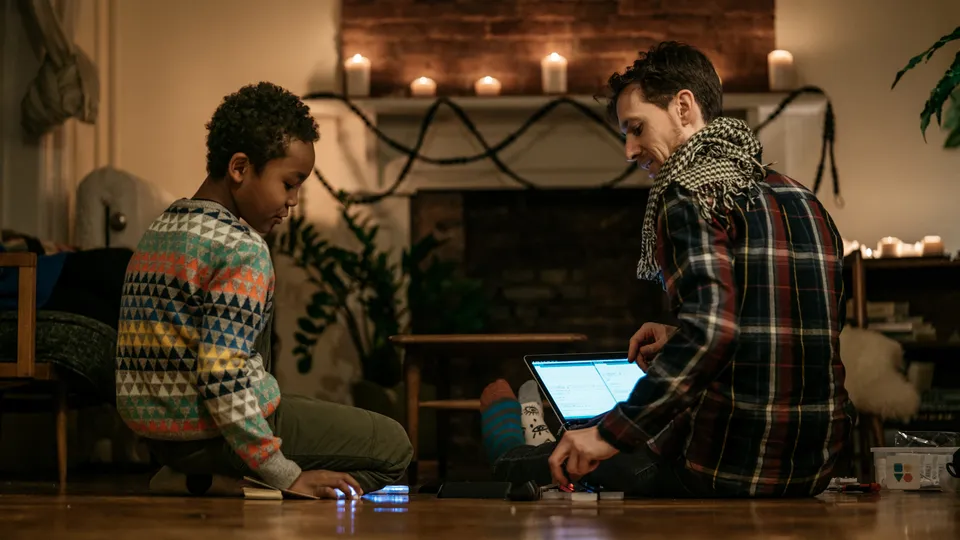
At Move38, we know that play shapes the way we think. The tools and toys we play with are imbued with the power to teach new skills and refine the ones we already possess. Toys are not simply childs play, but essential objects to think with₁ and navigate our complex world. We entrust toys to teach our children fundamental physics, and more importantly, they encourage social engagement, helping us interact with each other, hands-on, and face-to-face. The social intimacy of play drives us to create. Our mission is to delight hands, challenge minds, and inspire curiosity.
Raise a Generation of Systems Thinkers
The modern world is a complex system. As participants, we are committed to shaping it for the better through play. We design and build products to enable a generation of systems thinkers. Systems thinkers can intuit the whole is greater than the sum of its parts. Systems thinkers don’t see the world for individual components, but rather the way they interact. Playful systems are for having fun. Move38’s products deliver play that promote systems thinking and FastCo says they “could make you more creative.”
A Community & Movement
We provide new perspective and the freedom to play with the subtle boundary of simplicity₂ and complexity₃. We create aesthetic experiences informed by the underlying systems of science and nature. We are curious designers, architects, mathematicians, artists, game designers, and technologists inventing new forms of play. Our thinking is shaped by the toys and tools we play with and we are joining this conversation by building our own. Moreover, we believe in an open-source₄ philosophy and actively support a community to join us on this mission.
Deeply Considered
We consider every aspect of our products–from the way they feel in your hand to the effects they may have on our planet. Our ability to design our own tools allow us to rethink traditional manufacturing and create toys with sustainability in mind. We aim to reduce waste by designing objects you’ll want to keep around for a long time.
Commitment to Lifelong Learning
Education is something that happens to you; learning is something you do. We are not educators–we enable lifelong learning. While our products are not designed for the classroom, that hasn’t stopped them from being used by teachers. They are actively employed by educators, and we dedicate resources to support efforts that enrich creative problem-solving through play.
Move38 has led workshops with our products at: MIT, Columbia University Family STEM Day, Harvard STEM Days, Cooper Hewitt Smithsonian Design Museum, FutureworksNYC, MoMath - National Museum of Mathematics, New Museum, World Maker Faire, Brooklyn Game Lab
Support
MIT Media Lab, NEW INC, NYDesigns, E14 Fund, Exponential Creativity Ventures, Neoteny, Kickstarter, FutureWorksNYC, Startup Leadership Program, WEST
Footnotes
- "Objects to think with" refers to Alien Phenomenology by Ian Bogost.
- "Simplicity" is influenced by John Maeda's book of the same title.
- "Complexity" nods to Stephen Wolfram for suggesting a new kind of science.
- "Open-Source" means we want you to stand on our shoulders when we’re done.
nSpec Configurator
Designer & Developer · 2024
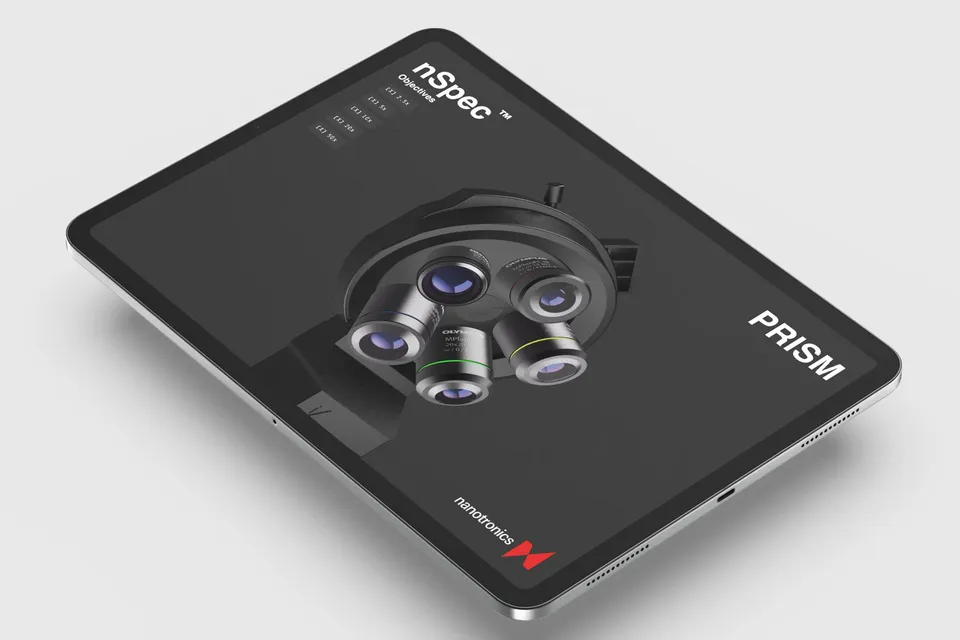
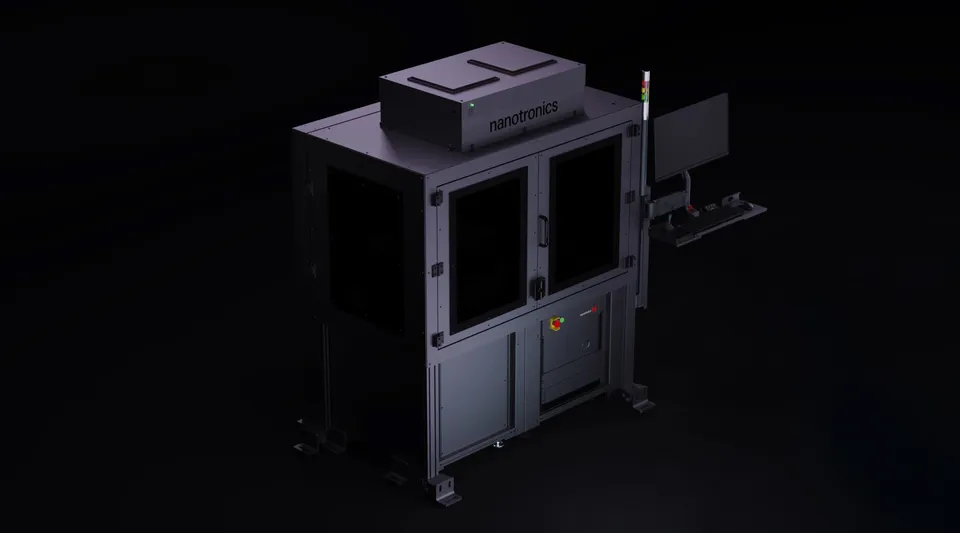
Nanotronics' flagship product, nSpec, was designed as a modular tool that brings AI assisted inspection to industrial applications. Most of our customers build at the nanoscale and require different configurations based on the materials or samples they are inspecting.
I designed and developed an cross-platform configurator and iPad app that allowed our sales engineers show, rather than tell our customers how their ideal tool would be configured. The goal was ultimate simplicity with the same attention to detail, care, and craft that the company puts into the products it ships.
Some fun technical details about the projects include using transparent video elements to give the illusion of realtime animated 3D components. The choreography of these renders allow for mixing and matching as the software plays the videos forwards or backwards to provide a seamless experience.
My favorite detail is the way that the optics screw into the turret of the microscope. I directed these transitions and my colleague Kyle Fox rendered the assets with Keyshot. Following the deployment, I wrote about the design process here.
Roblox Eggs
Creative, Hardware, Electronics · 2025
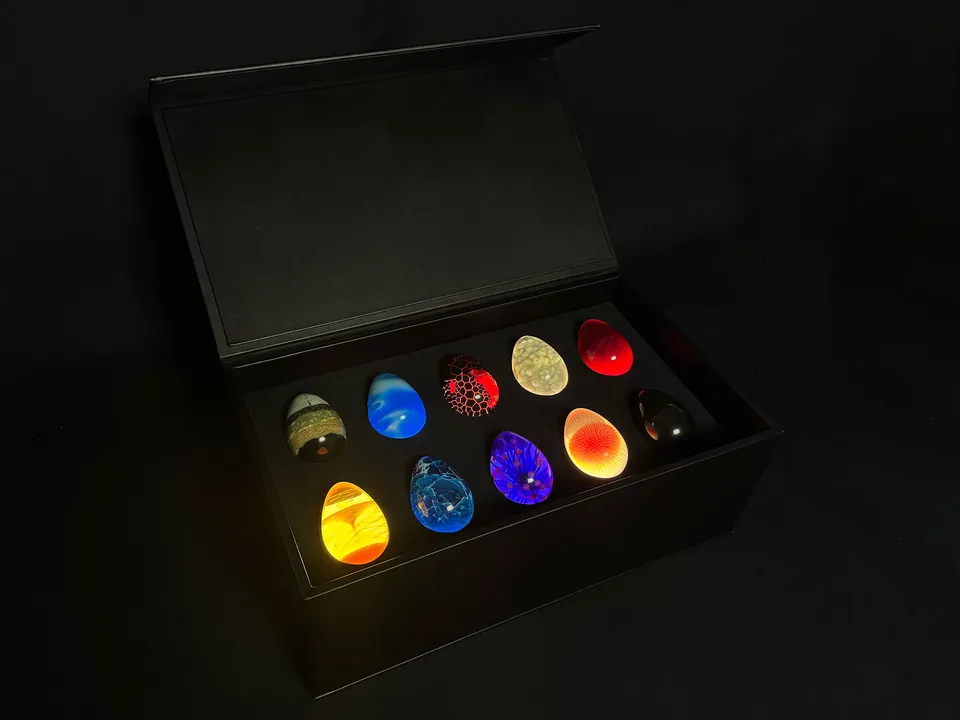
I received a text message with an AI generated image and the ask, "do you know how to make this real?" The image contained 10 crystal eggs, each emanating a glow of a unique element central to the experience of the Roblox egg hunt (earth, water, fire, air, love...). I helped assemble a small team of uniquely skilled artists/engineeers, and together, we made it real.
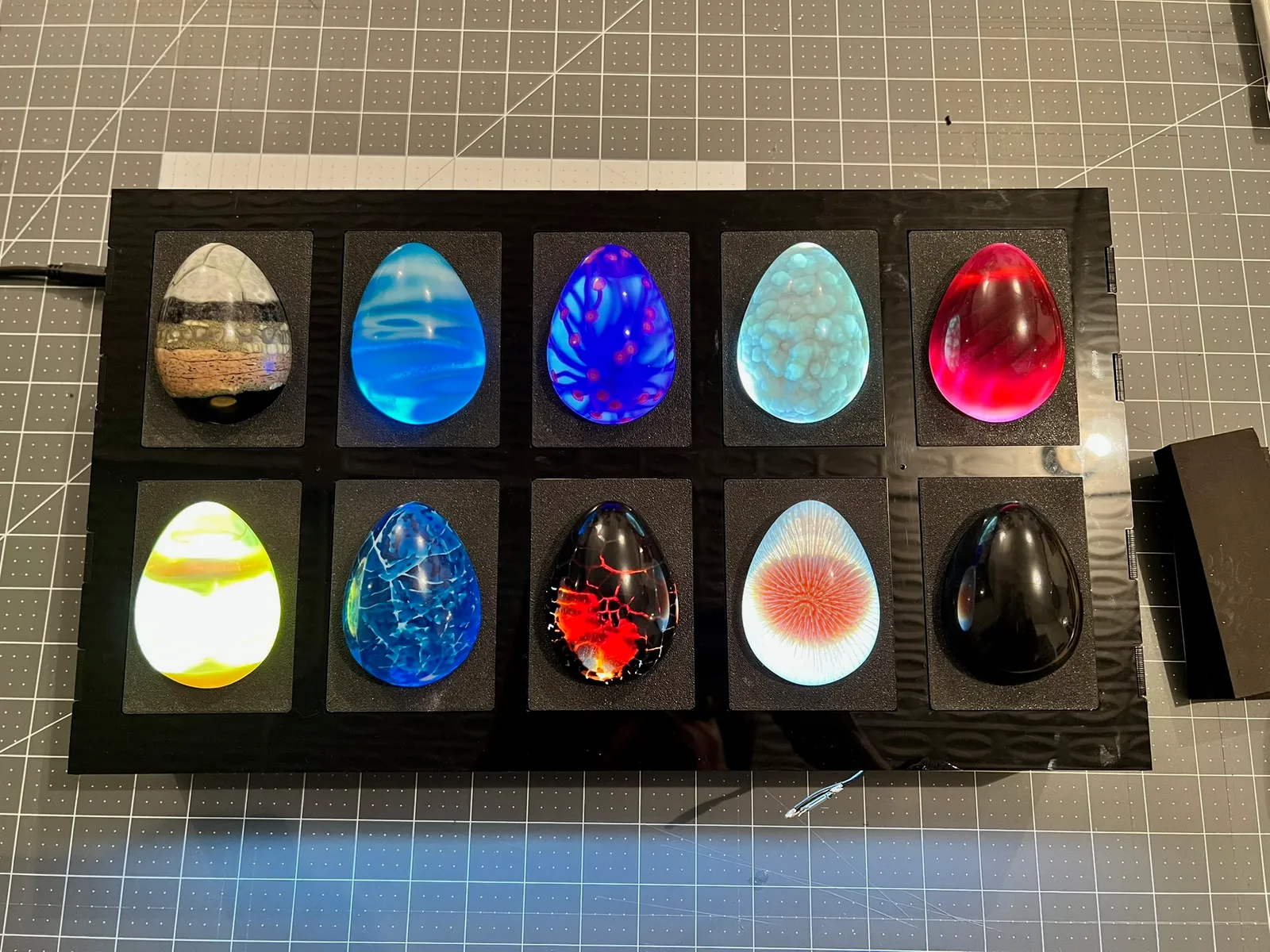
The result is a 20lb, leather bound display enclosure fit for a museum. Inside the enclosure, custom electronics provide a light show from 80 individually addressable RGBW LEDs, mounted and hidden to provide diffuse, reflected light, and controlled with a reed switch, ensuring the light show greets each open and consumes effectively no power when closed. Then the main attraction, 10 unique eggs containing custom artwork with over a billion voxels printed. Only a handful of people can print something like this, suspending full spectrum volumetric imagery, like a colorful CT scan, in a physical object to be held.
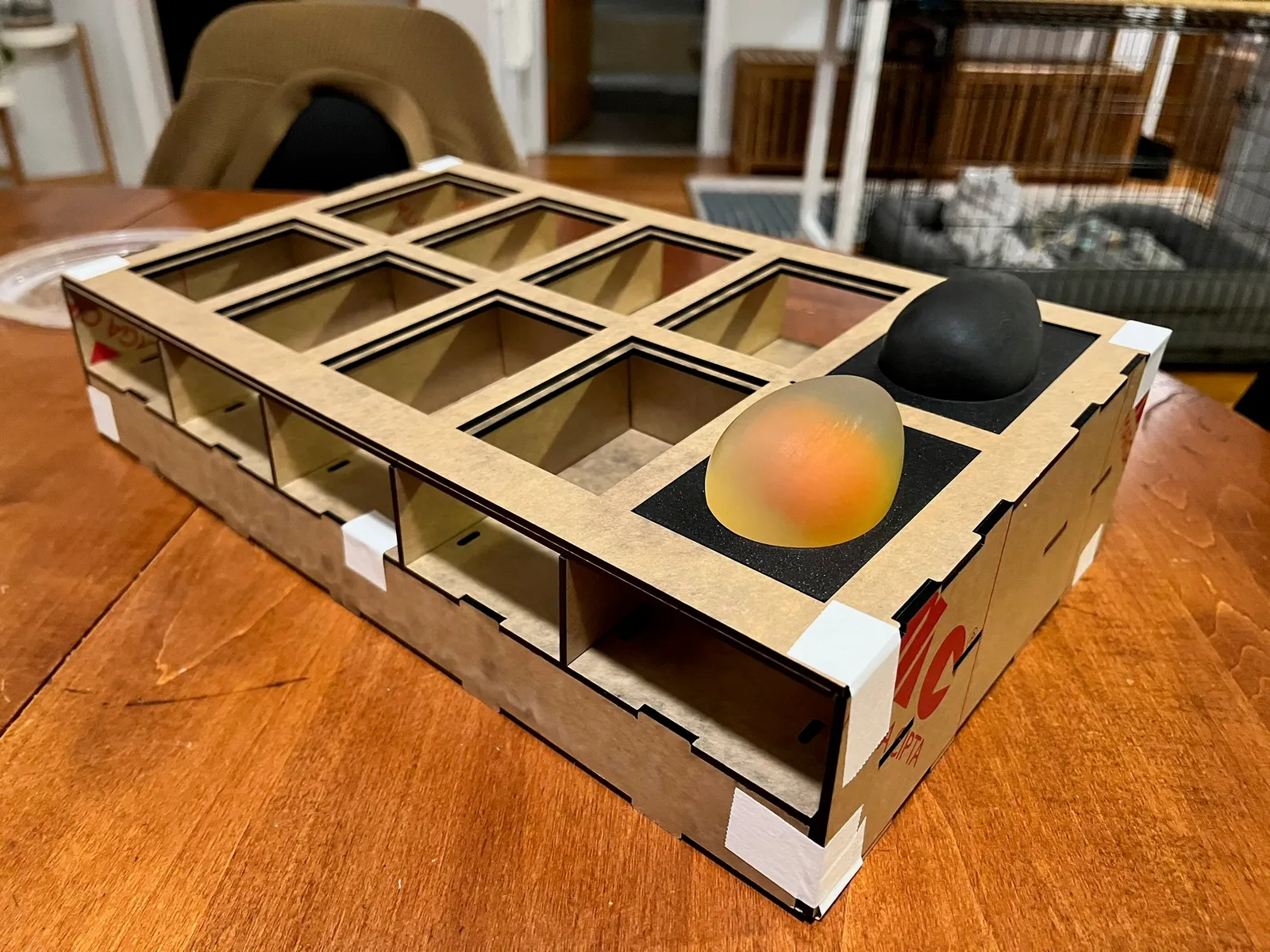
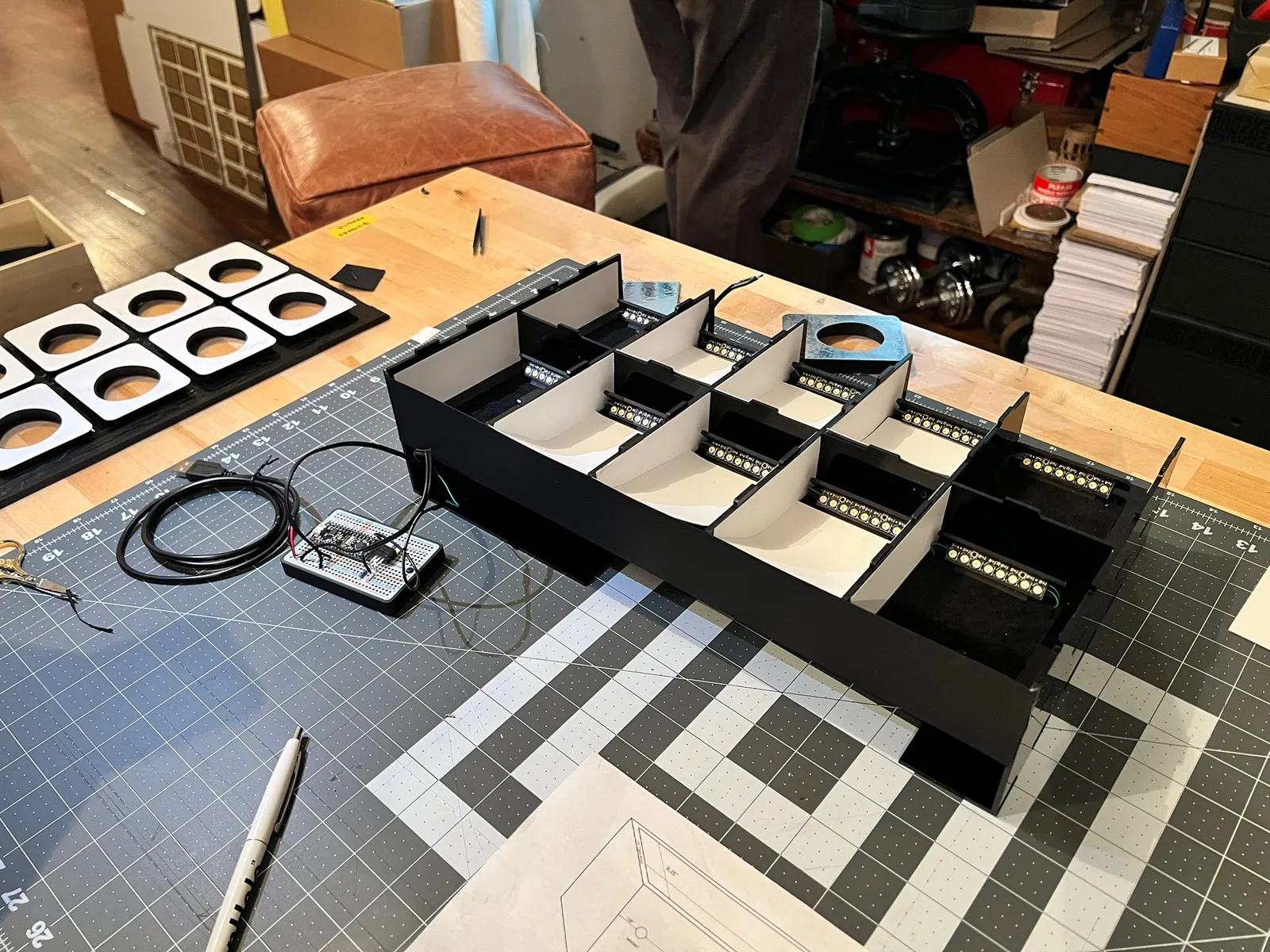
The enclosure was designed to be a modular assembly, allowing for experimentation with the location and angle with which the LEDs illuminate the eggs. Each egg's custom artwork had unique properties for translucency and in final testing, the enclosure which was designed to fade into the background was outfitted with highly diffuse white cardstock to deliver a James Turrell effect when vacant.
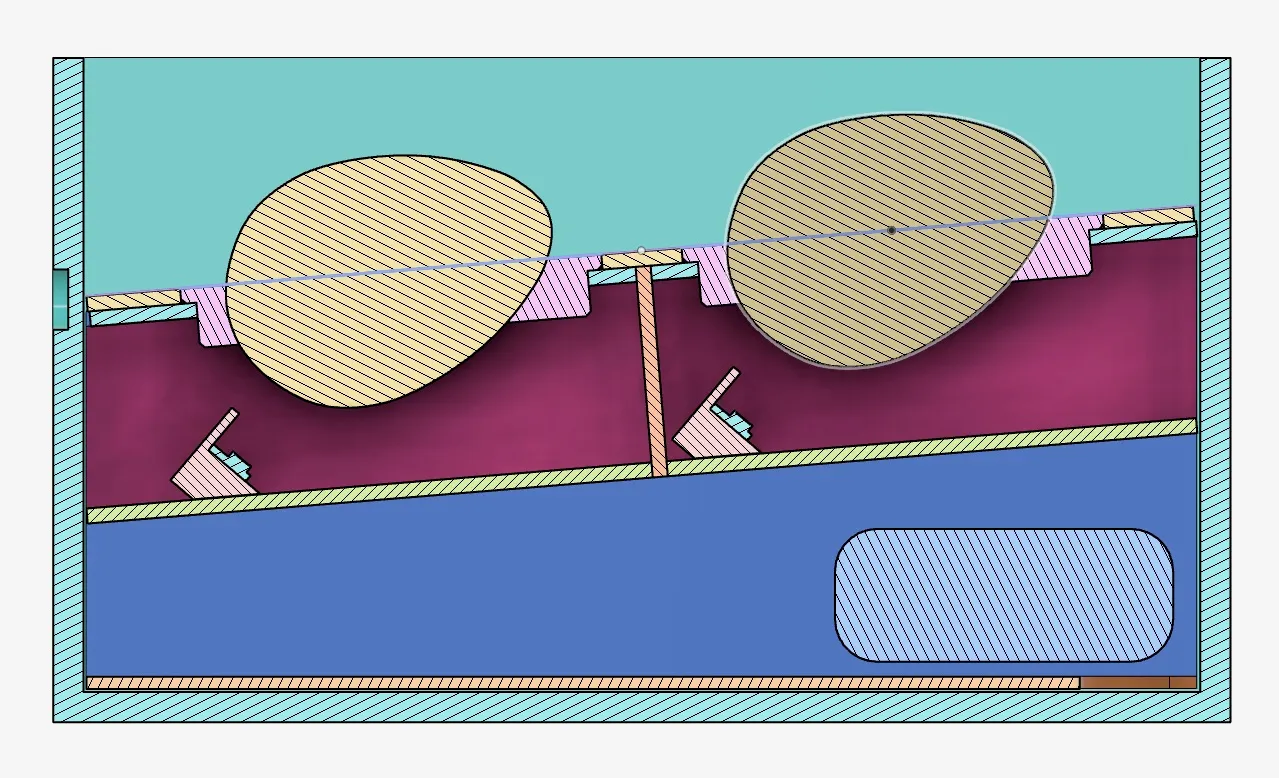
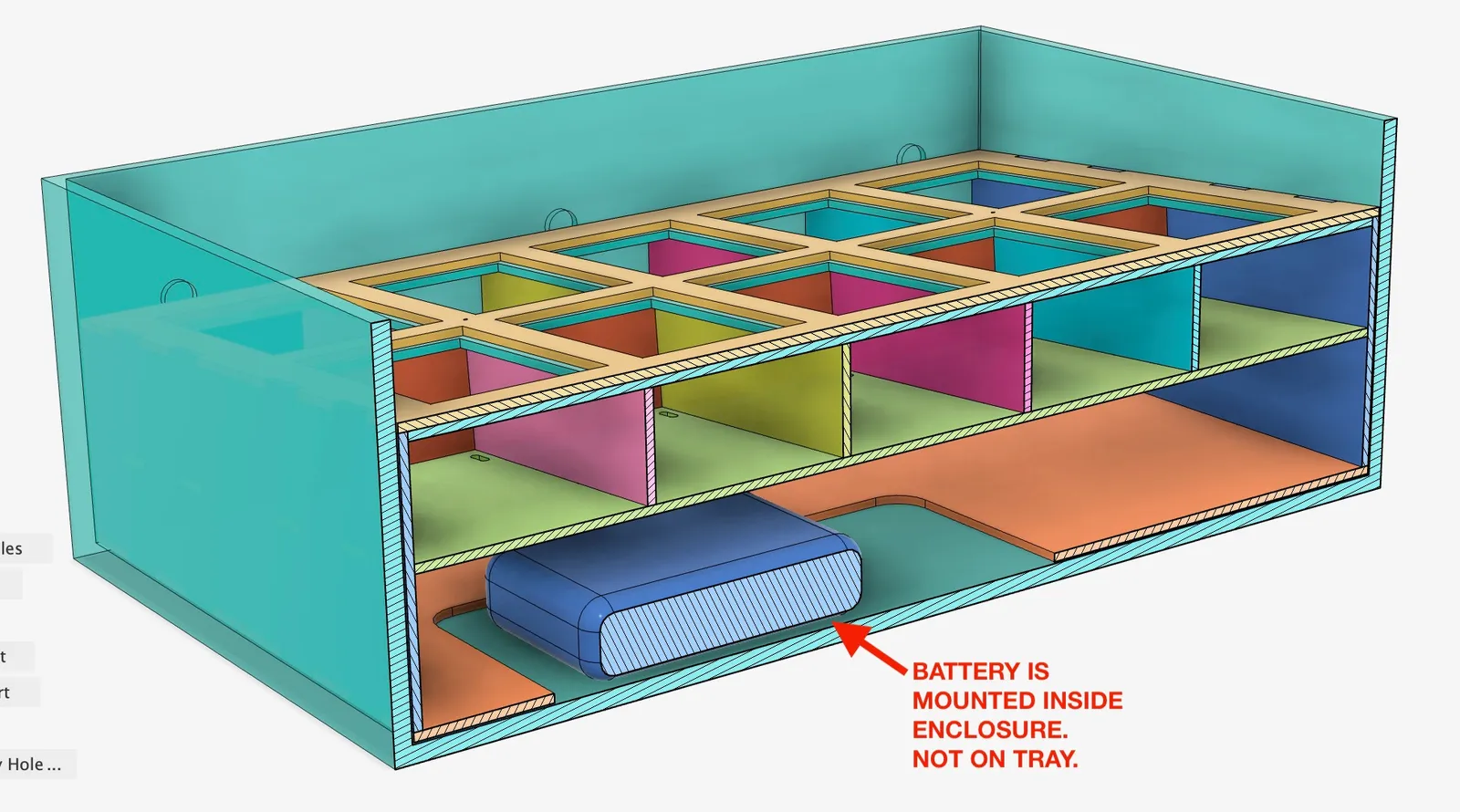
For robustness, the battery pack would be mounted to the enclosure itself, while the inner tray containing the electronics and lighting would slide in. The battery allows for the enclosure to be on display without any visible power source, while pass-through USB-C charging allows for continuous operation.
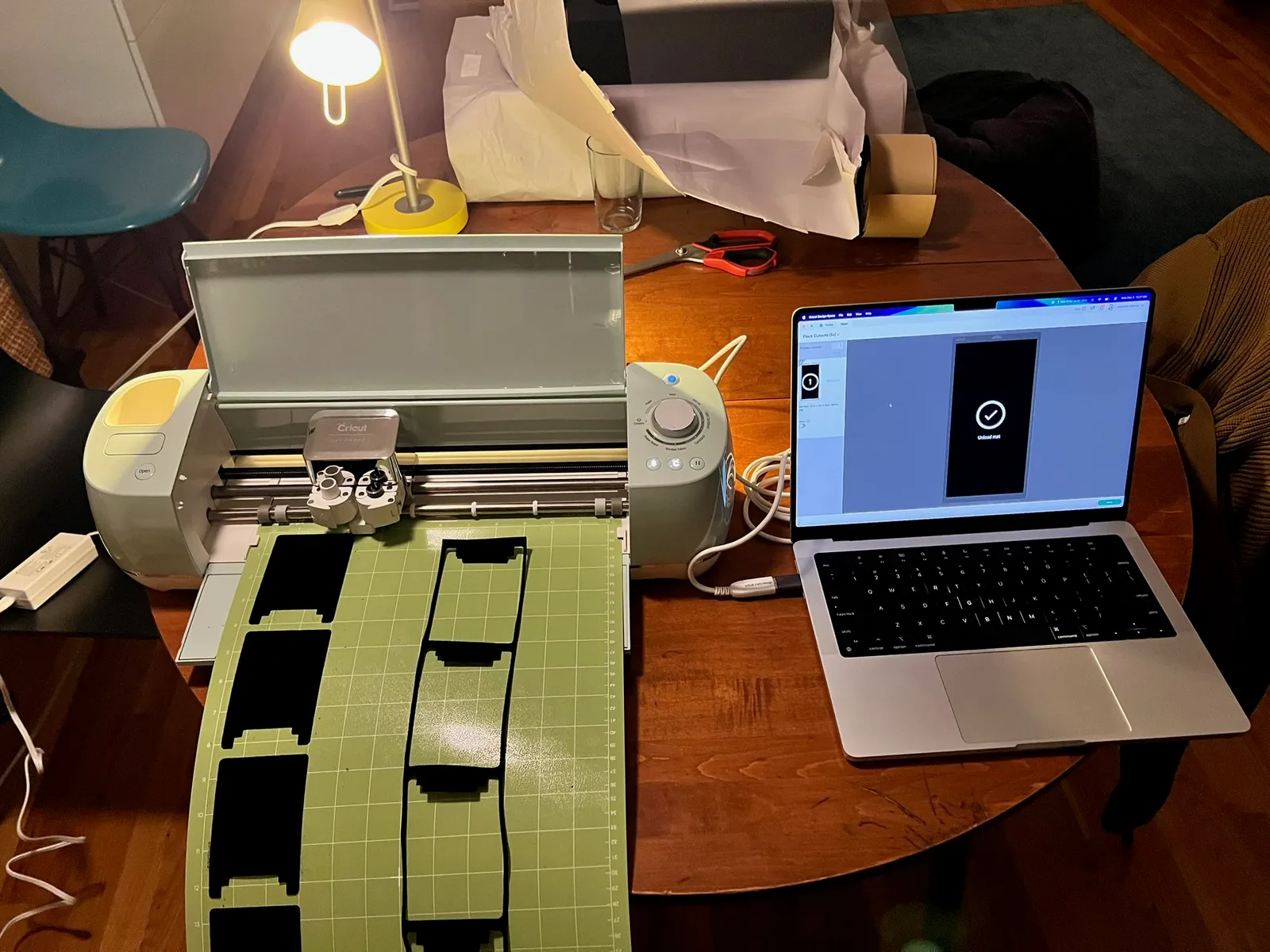
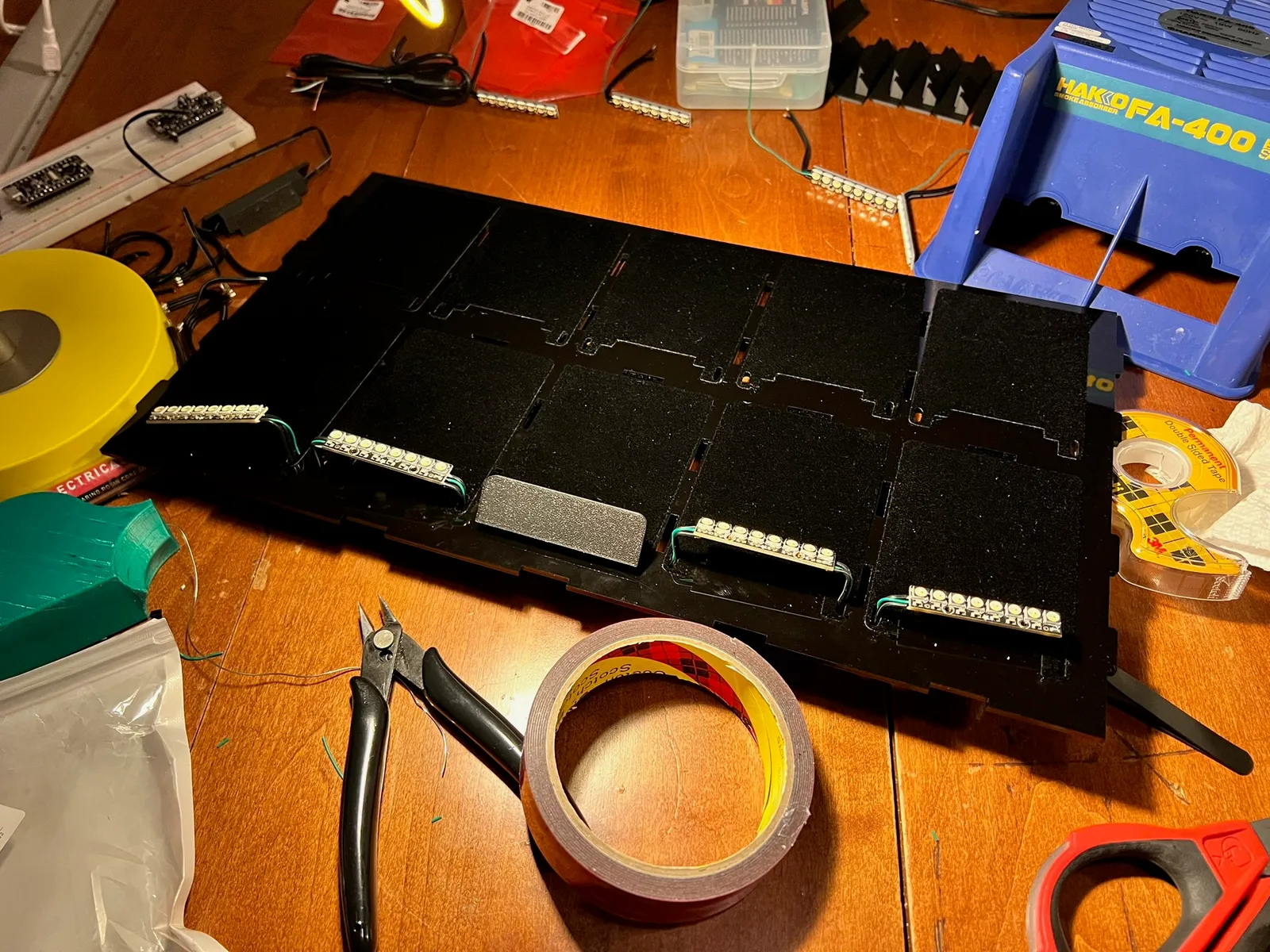
This project applied a broad range of my skillsets from custom electronics and power management to, CAD, laser cutting, 3D printing, and lighting techniques. Moreover, I got to flex project management and team building for a one-of-a-kind display.
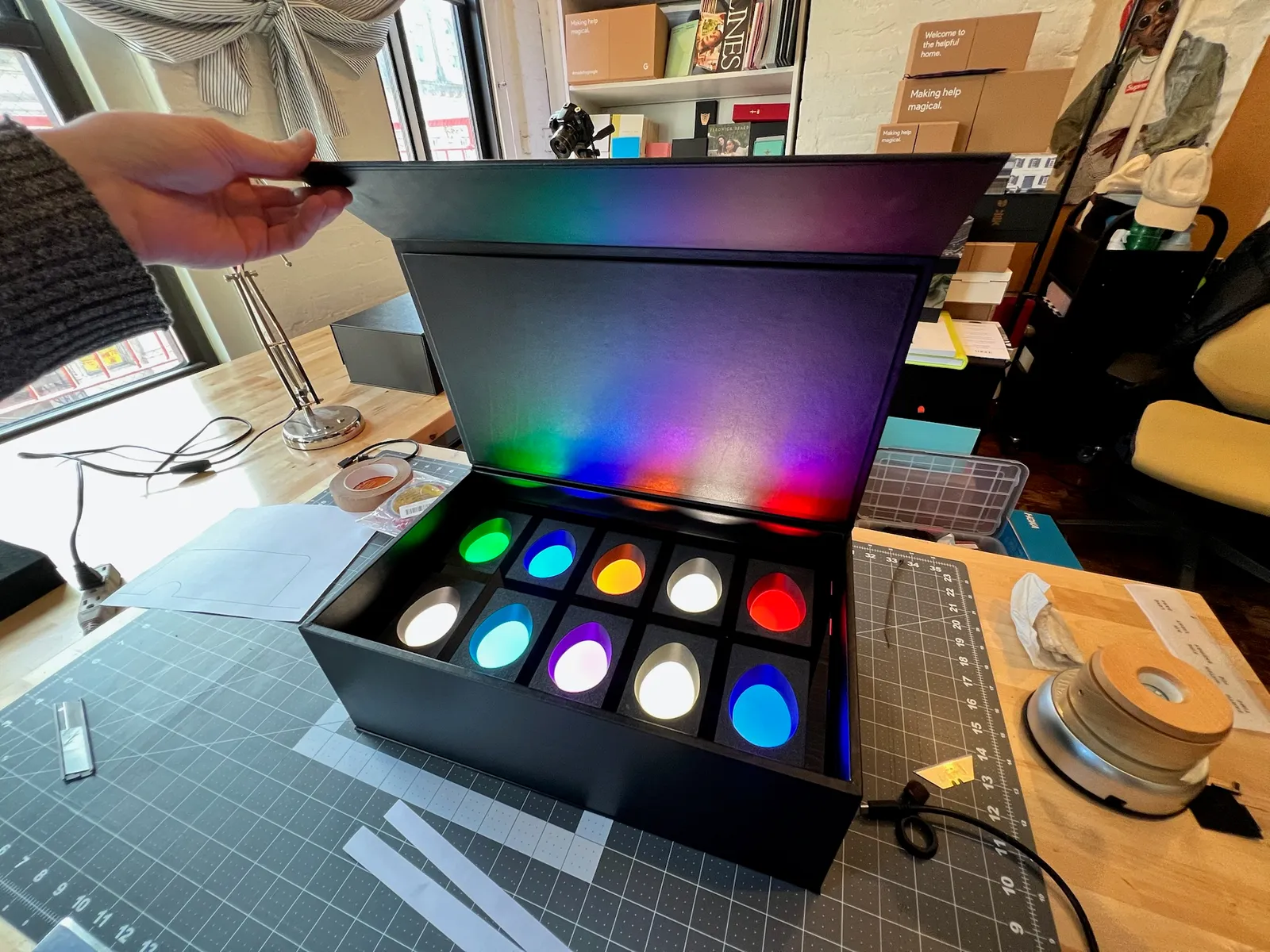
Collaborators: Vertical Group, Tangible Industries
Blinks
Founder & Designer · 2018–2022
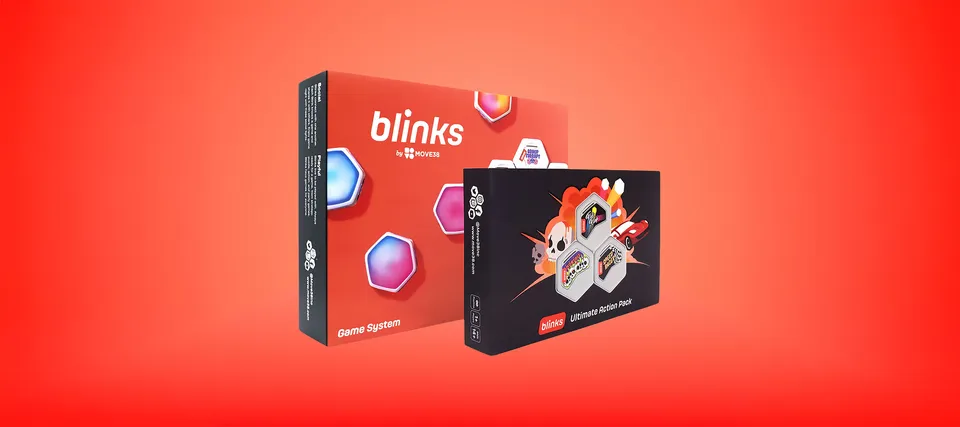
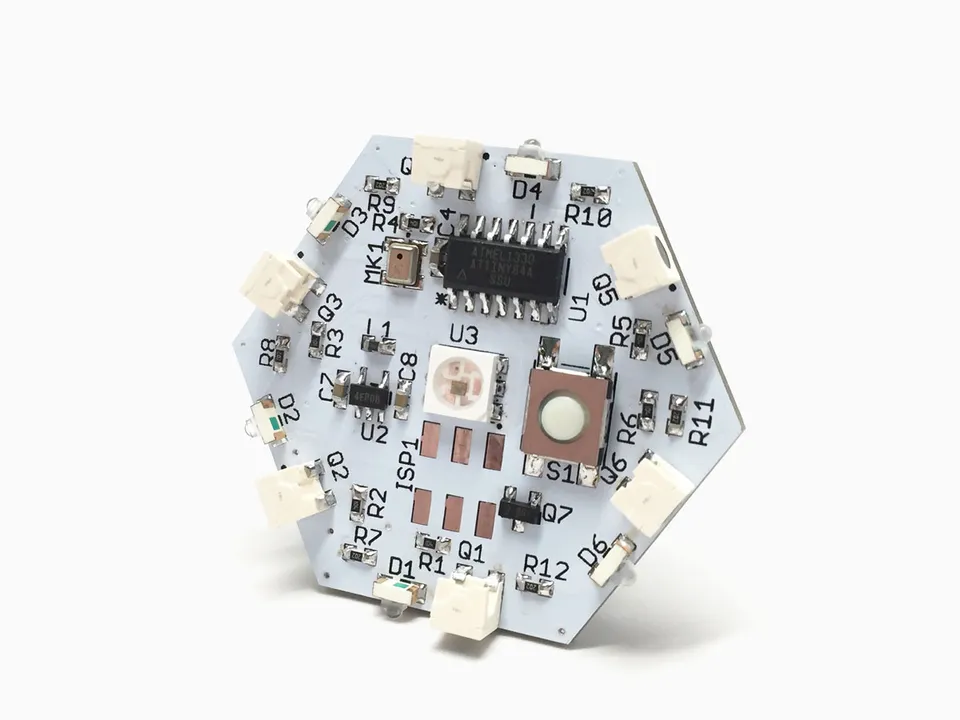
Blinks is a tabletop game system where every piece is both a game cartridge and part of the game system. LED-lit, hexagonal tiles that snap together magnetically to play games with friends. Think whack-a-mole, multi-player pong, shuffleboard with rules on timing and attachment.
Beyond games, Blinks was designed as a system for play. Open-source and easy to program, 1 in 5 customers purchased developer kits and started building their own experiments and games. That ratio wasn't a goal, but it was a flywheel responsible for the community that formed.
The idea came out of my graduate research at MIT. When fellow students kept asking me to bring my thesis project to dinner parties, I realized I might be onto something.
Years earlier, I'd sat in on a talk by Nicholas Negroponte on One Laptop Per Child. What struck me wasn't just the laptop itself, but the holistic thinking behind it: yo-yo chargers, a built-in handle, mesh networking antennae for regions without internet access. The whole system was designed for its users with purpose. That approach to building technology that intentionally enables creativity never left me.
Blinks was built the same way: lots of prototyping, getting it into hands early, and iterating until it felt right. There's an old saying in game design, a late game is just late, but a bad game is bad forever. We took that seriously, but balanced it with our own philosophy: open up early, build with your community.
The result was 1,000+ developer kits sold, 40+ games published by the community, and more than 100,000 units manufactured and shipped worldwide. Blinks was funded through Kickstarter campaigns totaling over $600,000. In 2022, global chip shortages brought Blinks production to a halt.
Nanotronics
Lead Design Engineer · 2023–2026
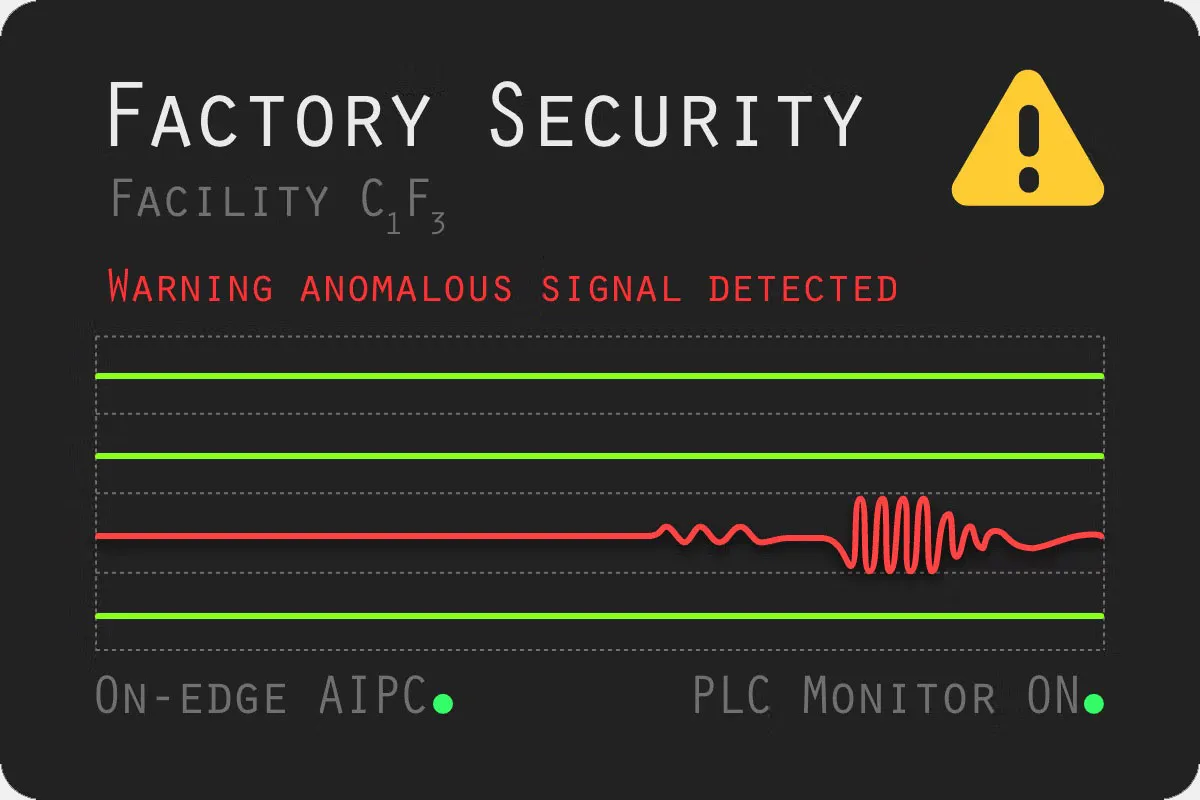
Nanotronics builds AI-powered inspection and manufacturing technology, systems that help factories see and understand what human eyes and traditional machines cannot.
I joined as a UX/UI designer, splitting time across product and marketing. My experience as a founder working across hardware and software, albeit in a different domain, turned out to be genuinely useful. Three years later, I was running the website, leading product, writing code, and serving as creative director.
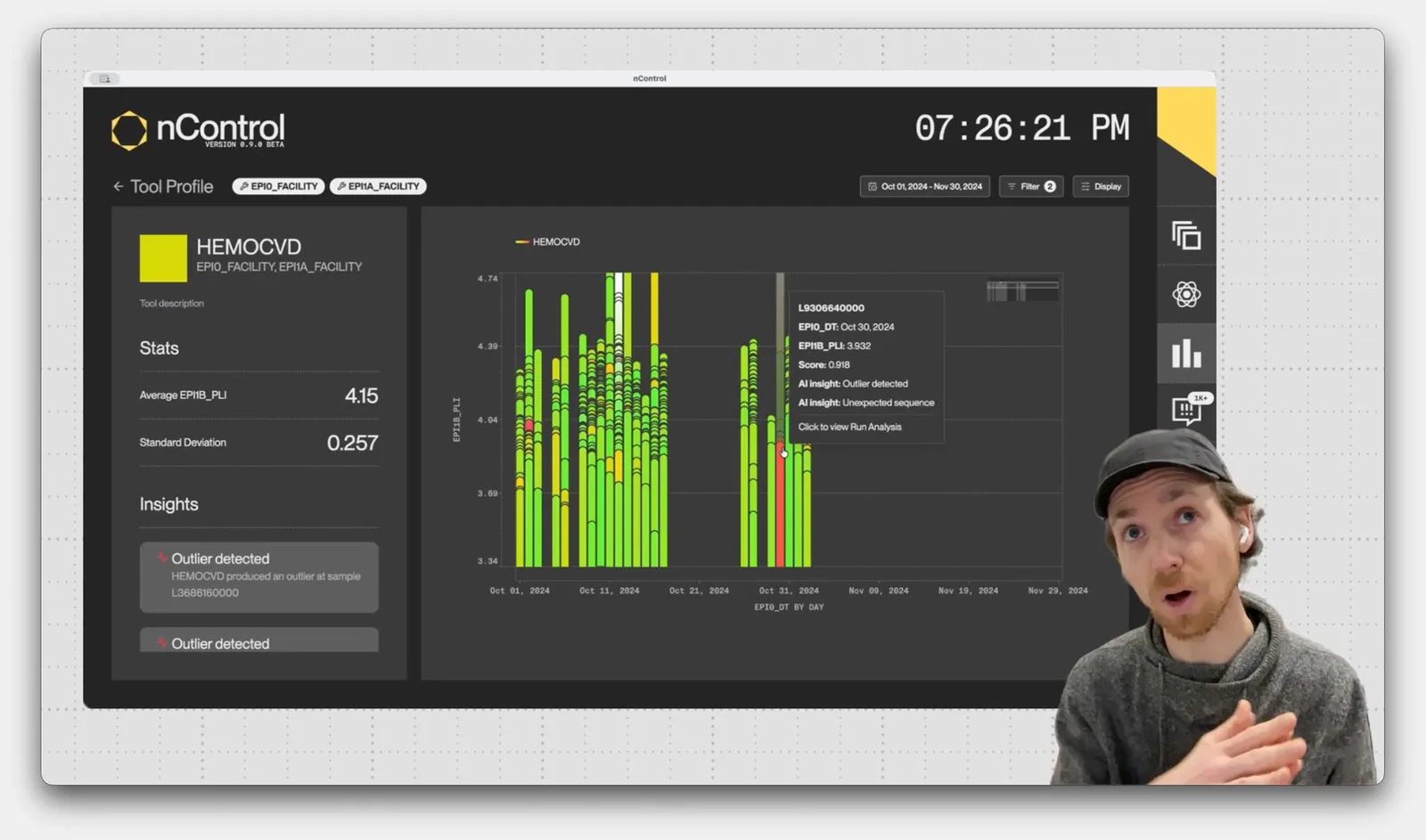
I led my team to deliver a website relaunch ahead of schedule. What had been a minimal web presence became a primary growth channel, generating 100x the leads and meaningfully improving their quality. A subsequent rebrand and site transition, something that often destroys SEO, instead produced 3x growth in organic impressions. Over the last year and a half, content I led has grown to more than 500,000 monthly impressions, and Nanotronics' presence in AI-generated search responses grew from nearly zero to more than 50 critical industry keywords.
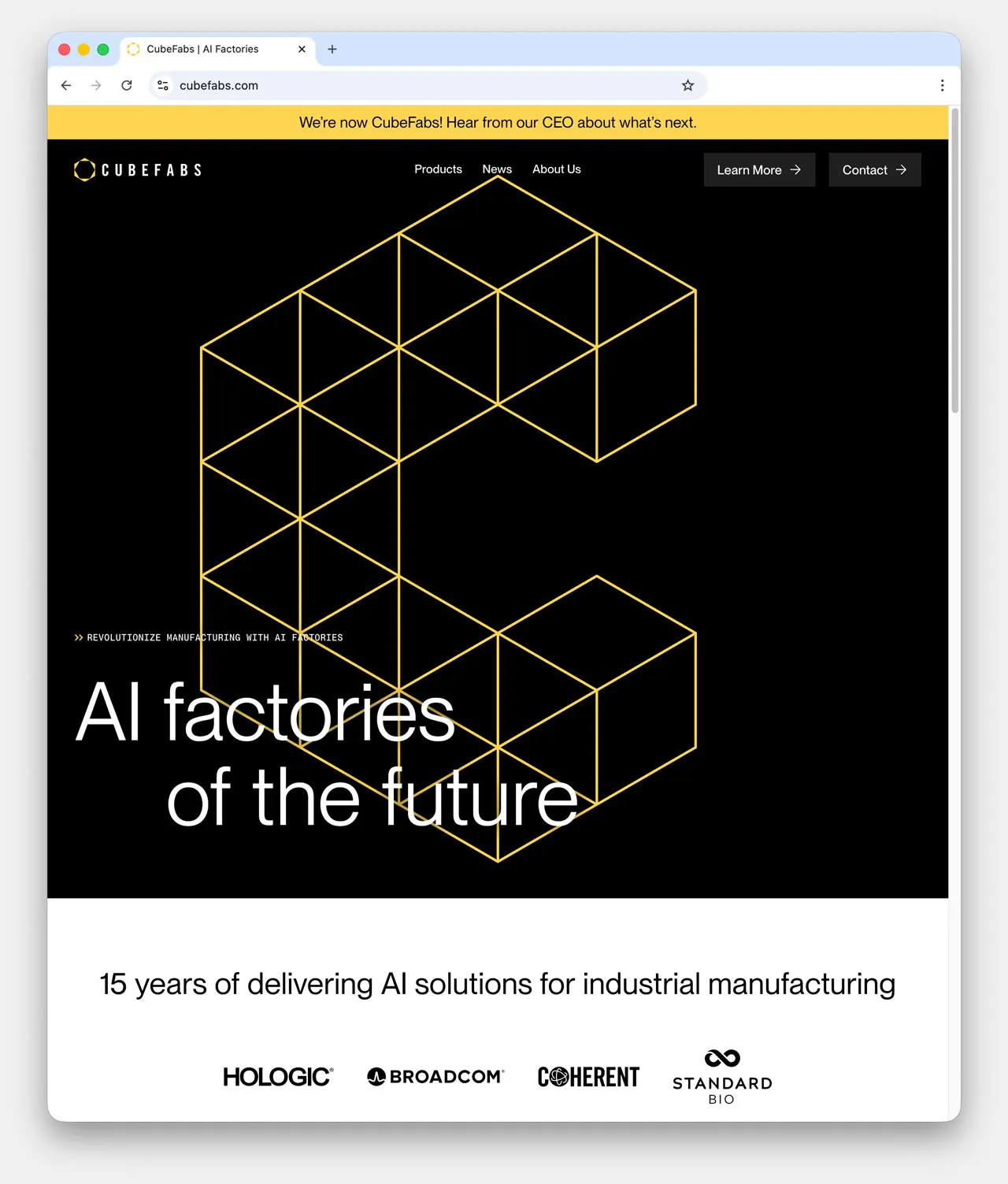
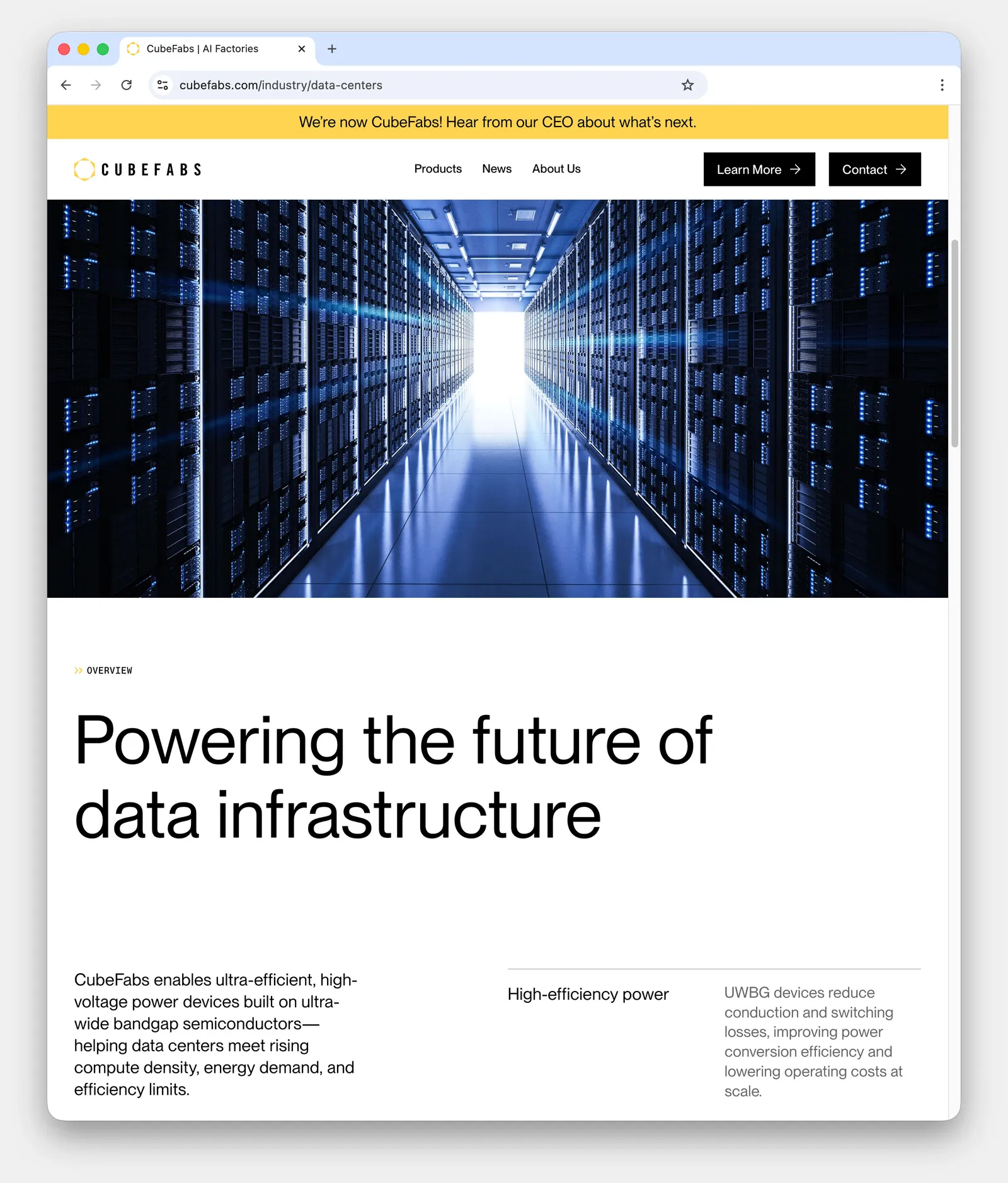
On the product side, I helped grow nControl from research into a deployed beta, as scrum master, designer, and developer. I brought my experience with AI-assisted tools like ChatGPT, Claude Code, and Cursor to allow us to ship features in a fraction of the time and with consistent quality. There was something fitting about collaborating with AI to build AI for industrial applications.
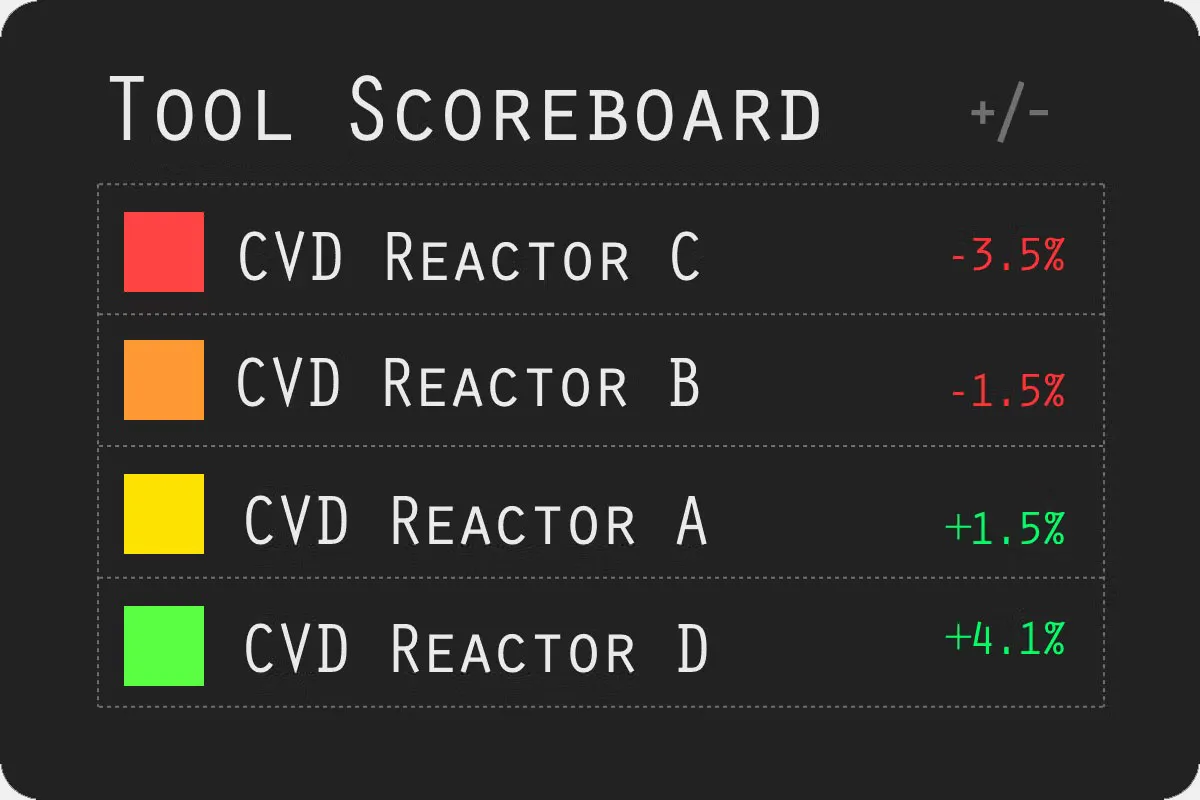
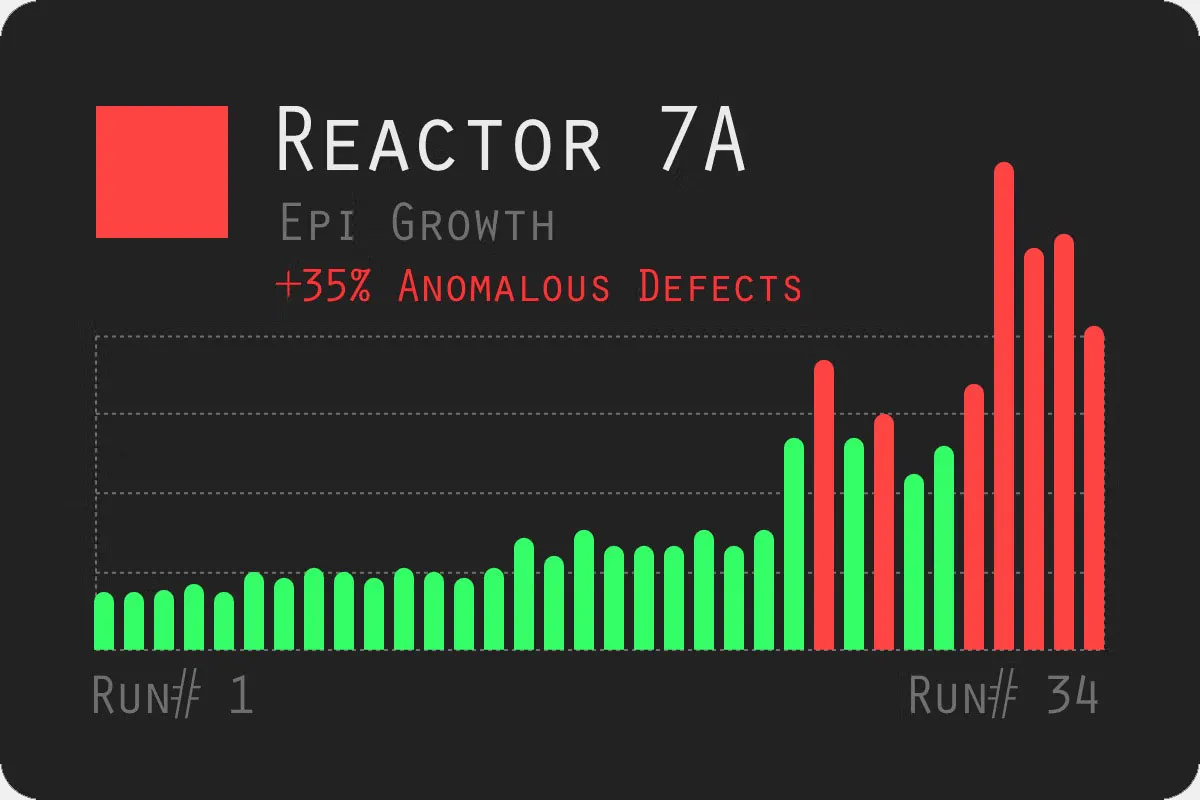
As with my other work, at Nanotronics, my approach has been consistent – keep my tools sharp, collaborate across teams, and bring design, strategy, or code to whatever the problem needs.
Museum of Science & Industry
Designer & Engineer · Potion · 2013
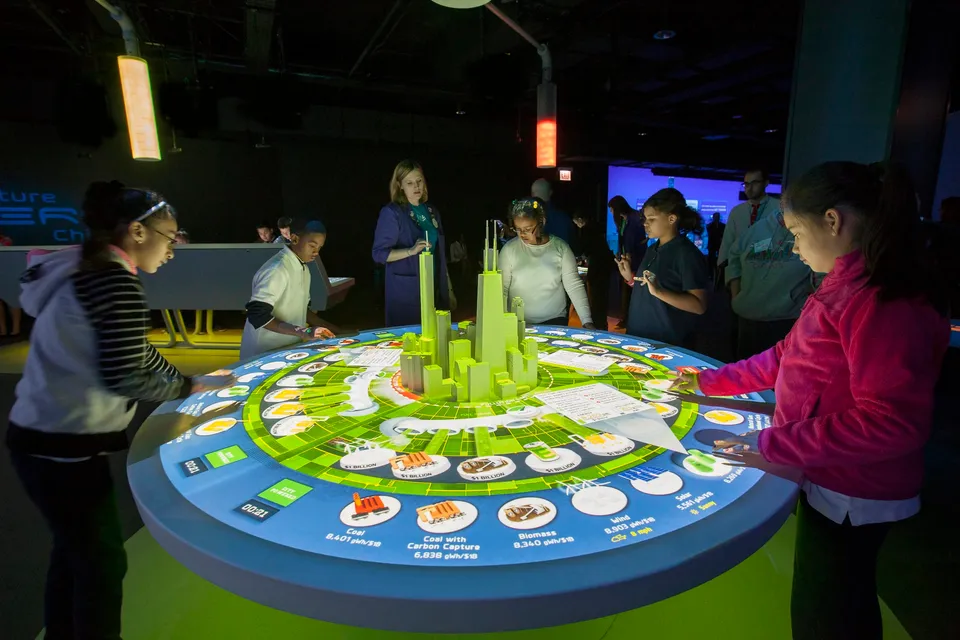
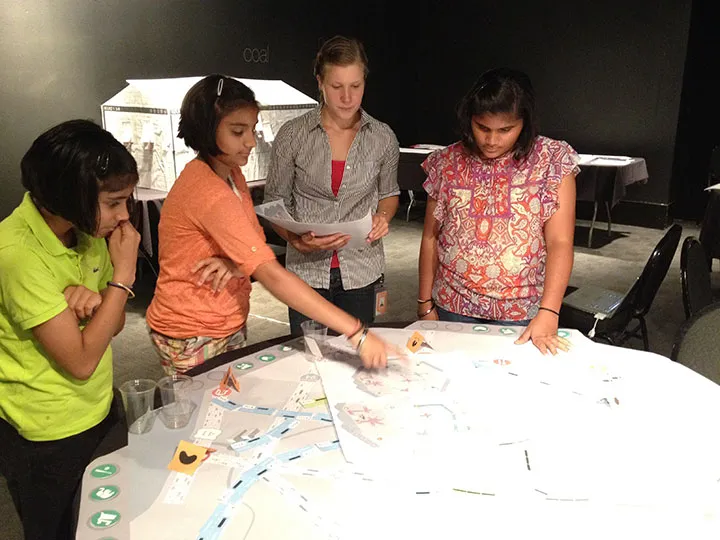
With Potion's team of designers, developers, producers, and 3D artists, I helped to create an immersive space to learn about the future of energy. Stepping into Future Energy is like you put on magic glasses and can see energy particles flowing into and out of everything that consumes and produces them. I was involved in the project from concept pitch to installation, paper prototype to design and software development.
When thinking about energy consumption, one of the biggest hurdles is imagining the actual amounts of energy when you cannot see it in any measurable form. We decided to make the energy unit the star of our installation, with issues such as environment and finances coming in to play as dependent variables. Up to 30 kids or adults can participate at once, grouped into 5 teams, competing to conserve and create as much energy as possible.
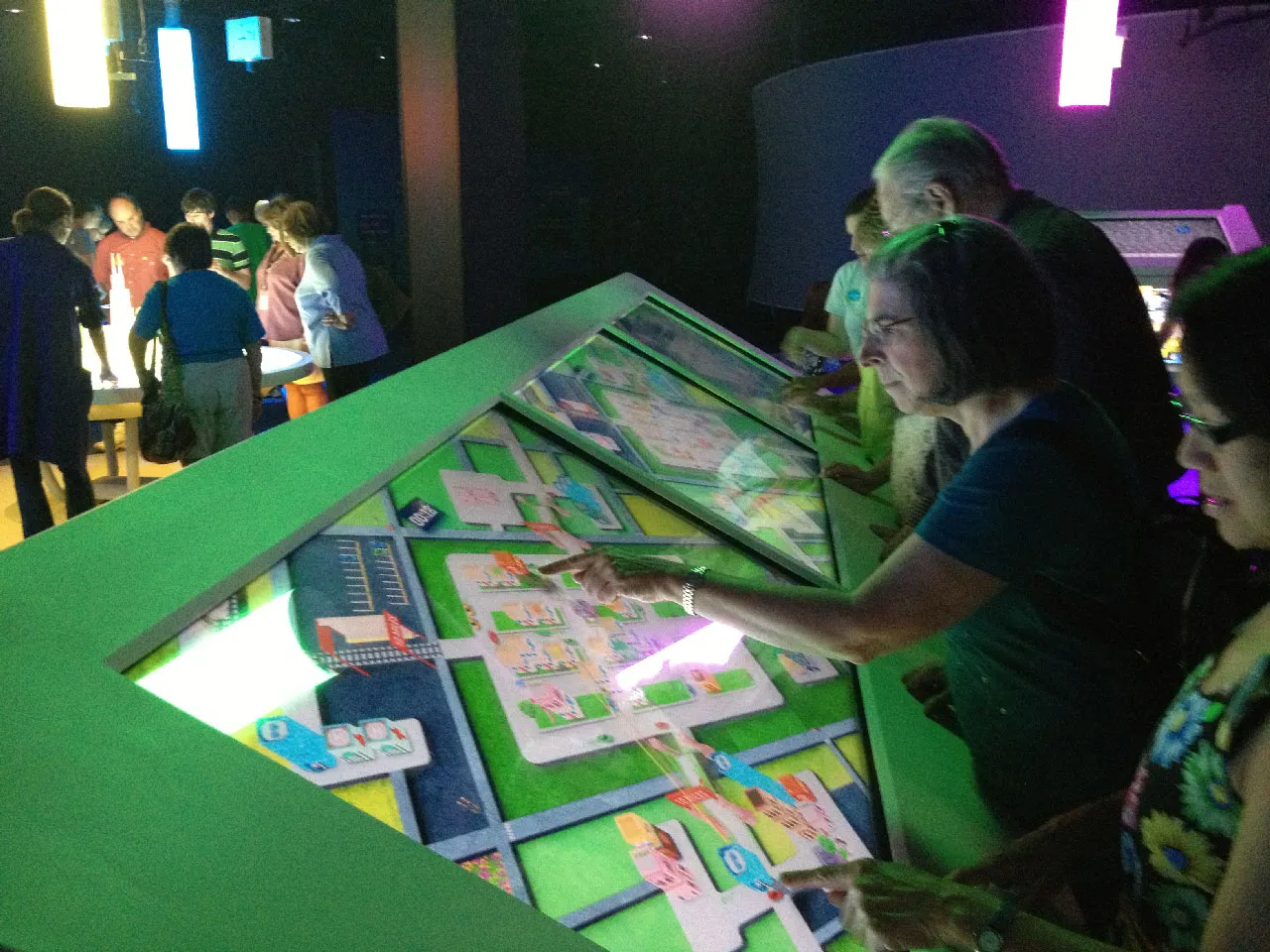
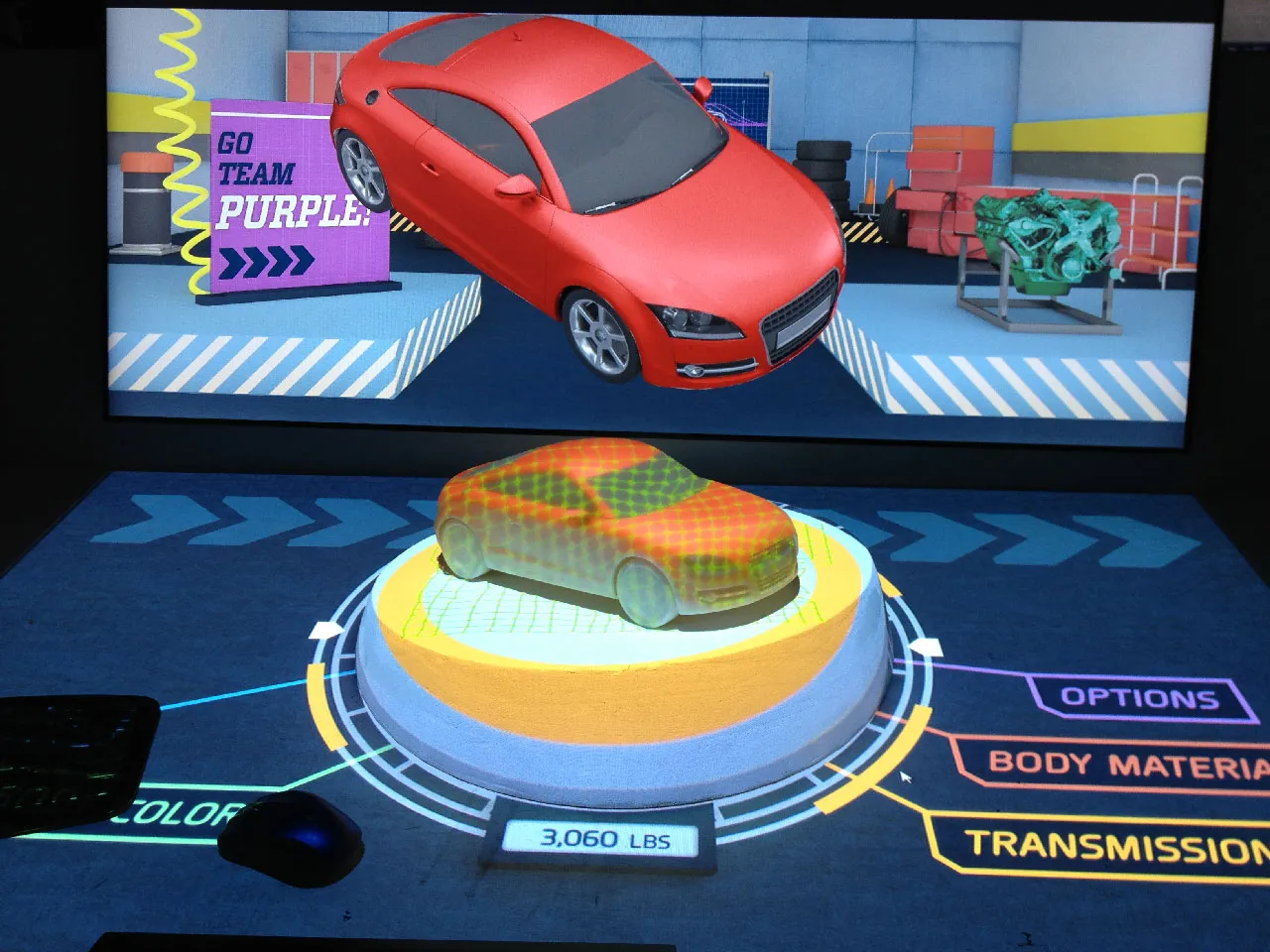
There are 5 interactive installations, each with different form factors that make the space feel more like an augmented reality than a museum interactive screen. I wrote projection mapping software and planned for projectors to provide both a user interface as well as optical illusion to give the impression that a physical car or city is changing in front of your eyes.
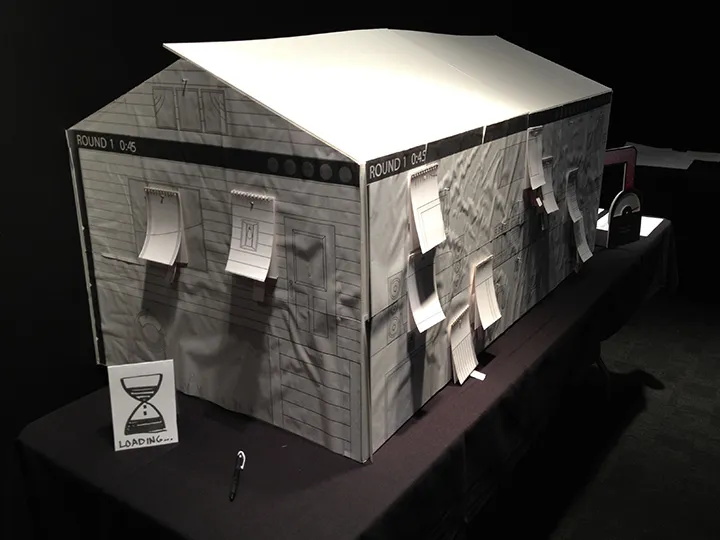
I was lead developer for two games. Future House is a physical model of a house that allows the user to touch any item to learn its energy impact, swap in alternatives, and try to make the house energy efficient while under budget. Future Hood is a simulation of a neighborhood where creating stacked mixed-use buildings reduces the amount of travel time and therefore energy consumed. The interface shows the user which people are headed where, and a more optimized neighborhood results in less cars and more bikes and people walking. It was surprisingly delightful and challenging to play these optimization puzzles.
Build, play, learn, iterate
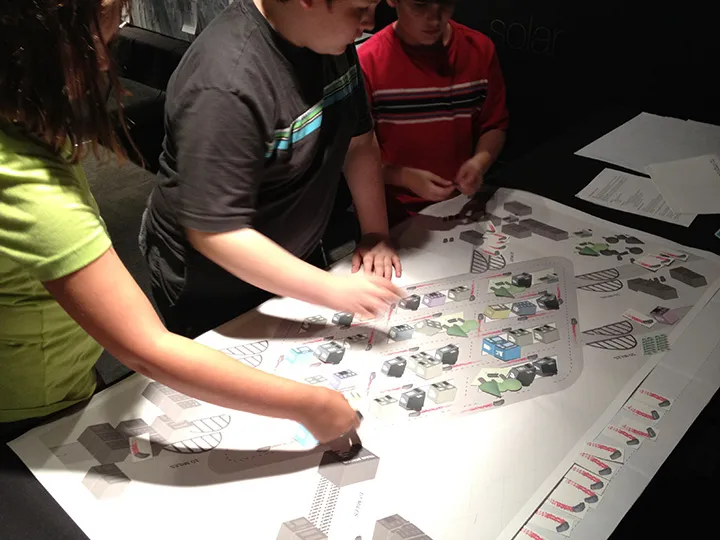
Each ofthe games went through extensive play testing. To make sure this happened as quickly as possible, we first created paper prototypes and put them in front of users. My favority was using rubberbands for connecting public transportation roots. We learned from their interactions what we would keep and iterate on as well as what didn't make the cut. These paper prototypes evolved into lightweight software simulations prior to completing 3D artwork and production design and development.
nControl
Designer & Developer · 2024-2026
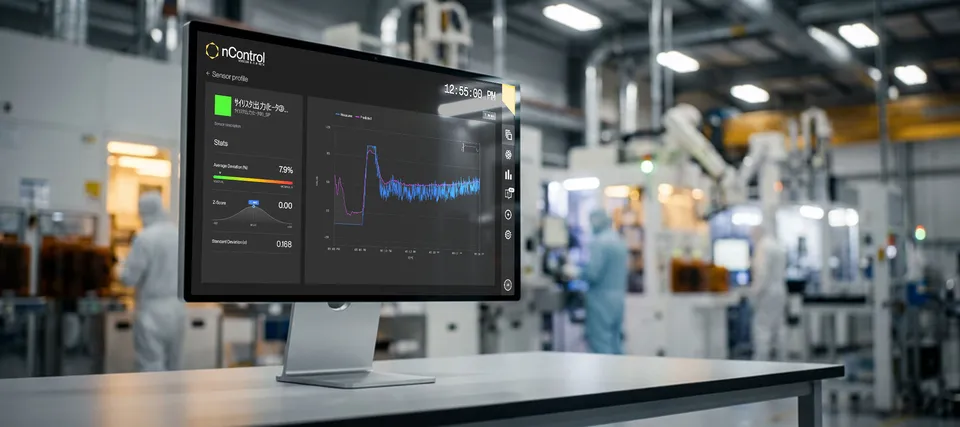
nControl is an AI-powered process control platform for advanced manufacturing, helping factories detect anomalies, predict quality outcomes, and autonomously optimize production in real time. The system ingests sensor, MES, and inspection data from across a facility, giving process engineers visibility and control they've never had before.
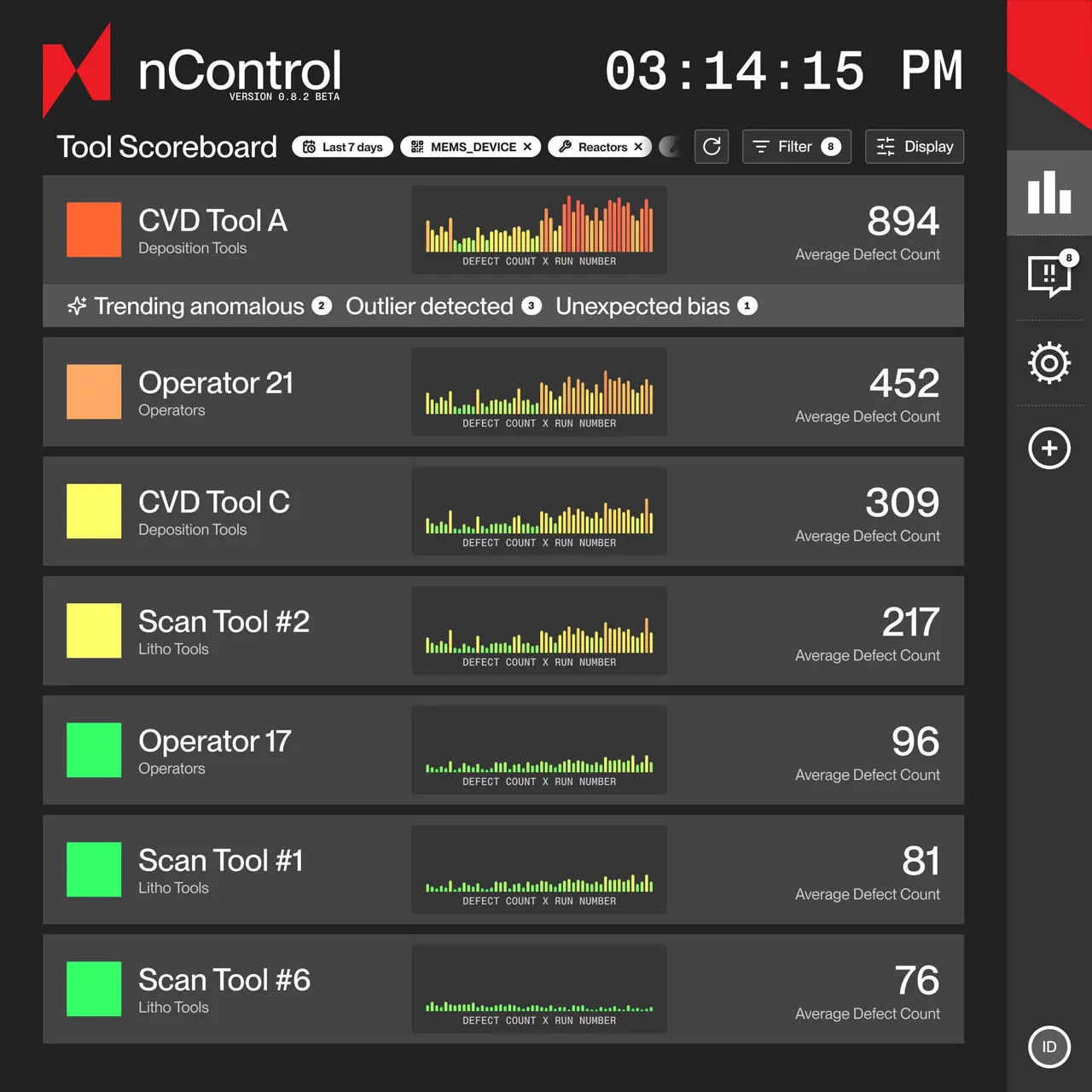
I helped grow nControl from early research into a deployed beta, as scrum master, designer, and developer simultaneously. What started as a single product evolved into two distinct packages through my design process: one focused on deep yield monitoring and autonomous process control, the other a lighter-weight AI insights tool that surfaces anomalies within an engineer's existing workflow. Two entry points into the same platform, each serving a different stage of customer adoption.
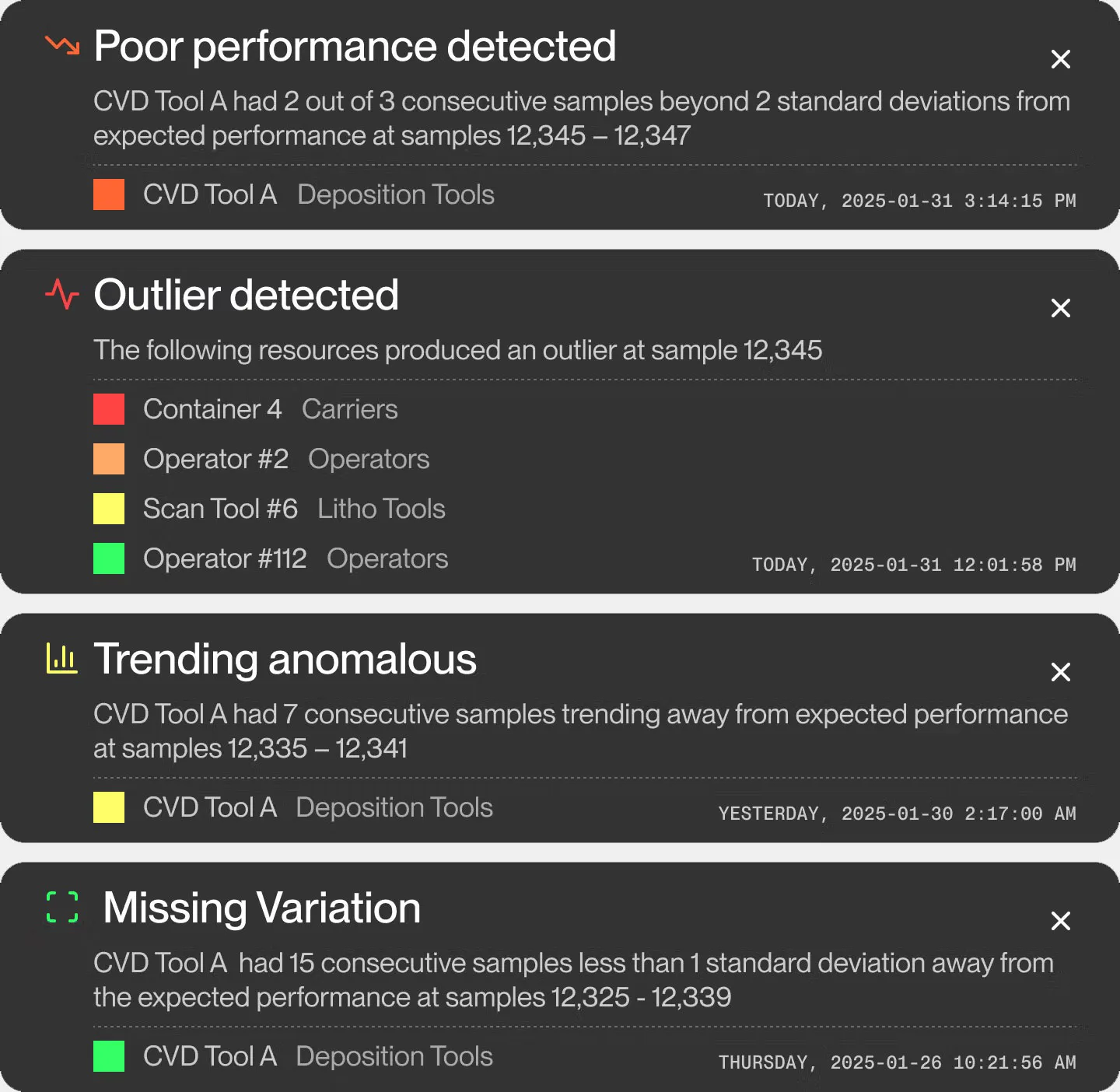
Getting a product this technically complex into real users' hands required constant prioritization and close collaboration across teams. I brought my experience with AI-assisted tools like ChatGPT, Claude Code, and Cursor to allow us to ship features in a fraction of the time and a multiple in quality. There was something fitting about collaborating with AI to build AI for industrial applications.
Mootone
Founder & Designer · 2017
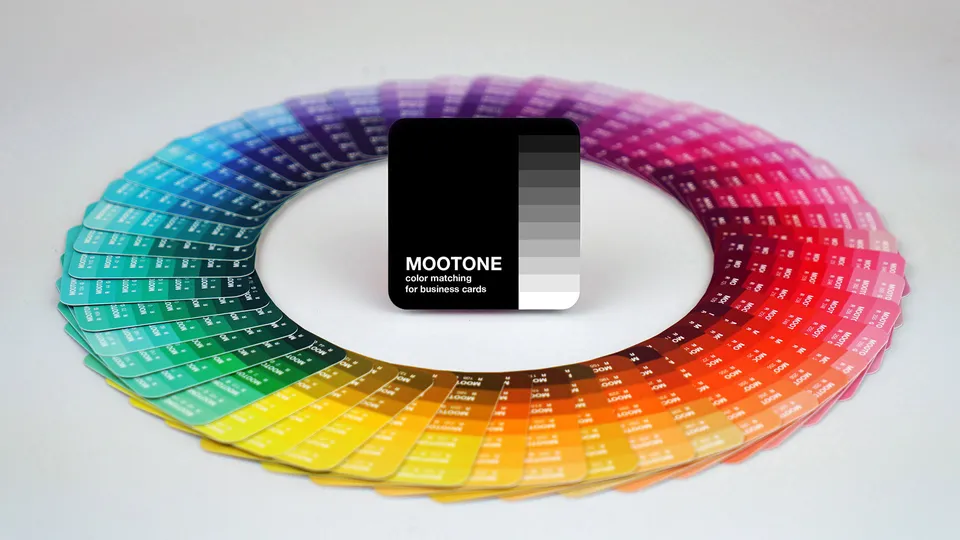

When I discovered that there was no way to print MOO business cards and know the resulting color printed without printing them first, I decided to make a tool to know exactly how my colors will print with MOO (and many digital CMYK services that use HP Indigo printers). The first version of MOOTONE used RGB values, something only thought of as used for designs on screen, and then printed those RGB values to see how the translation occurs. I ran a limited edition of these, hand packed, ordered, and even with a golden foil MOO certificate of authenticity. This tool has saved me many times, not just for my MOO orders.
I documented the process of designing and manufacturing these cards, you can read more about that in the Kickstarter updates here.
TEDxBratislava
Speaker · 2017
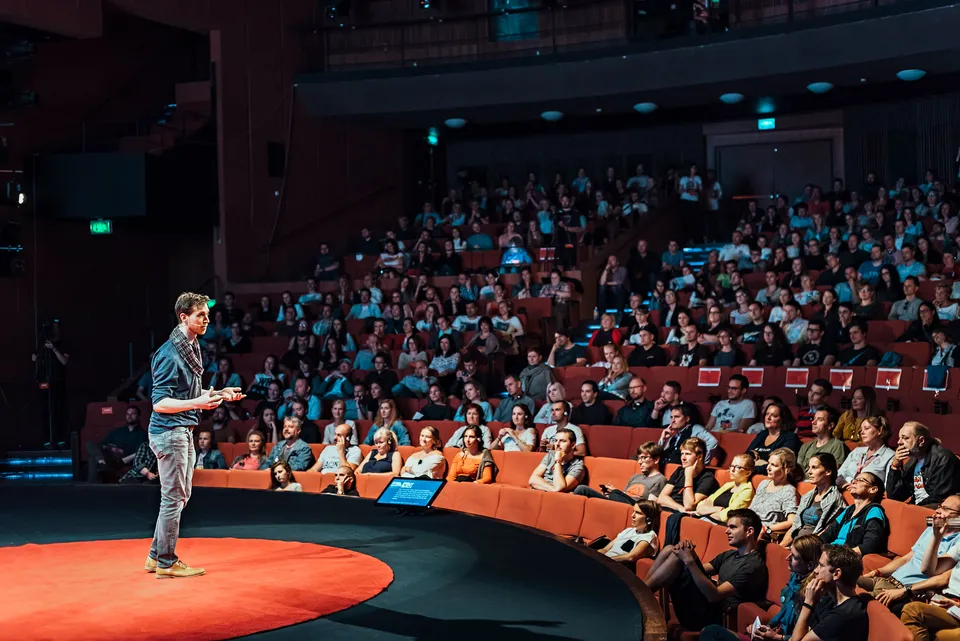
I was invited to TEDxBratislava to share about my work and research at the intersection of play and technology. I presented to a theater of hundreds of curious individuals, gathered on a weekend to flex their brains. My fellow presenters shared research on climate change and told stories of accidentally becoming internet famous as a stock image model.
My presentation, Creating a Generation of System Thinkers with Play, starts with principals of play before introducing my hypothesis that play can make us better system thinkers. The world continues to become a more complex place and as a society we lack the understanding or even patience for complexity.
We play to have fun, we learn as a side-effect. Play is so powerful because it is voluntary. While I am not advocating for chocolate broccoli, I do believe we can intentionally design playful systems for a bright, cooperative future.
I gave this talk in 2017, prior to shipping the first sets of Blinks to customers. The product evolved significantly, and ultimately I was surprised and delighted by the kinds of play and creative exploration they seeded. It feels like part one of a two part presentation.
Troxes
Founder & Designer · 2014-2018
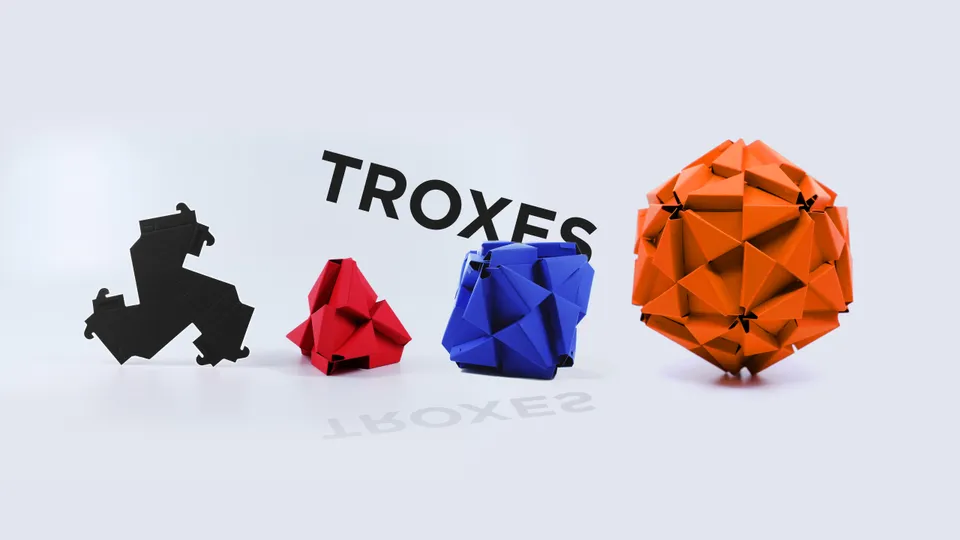
Troxes started with a single fold. A sheet of paper, creased at just the right angle, could lock to another — no glue, no tools, no instructions needed. What emerged from that discovery was a construction system that turns flat triangular tiles into three-dimensional platonic solids: tetrahedra, octahedra, icosahedra, and beyond.
The name is a portmanteau of "trox" — a triangle-based voxel — and the idea that simple units, repeated, build complex wholes. Each tile is identical. The variety comes from how you connect them.
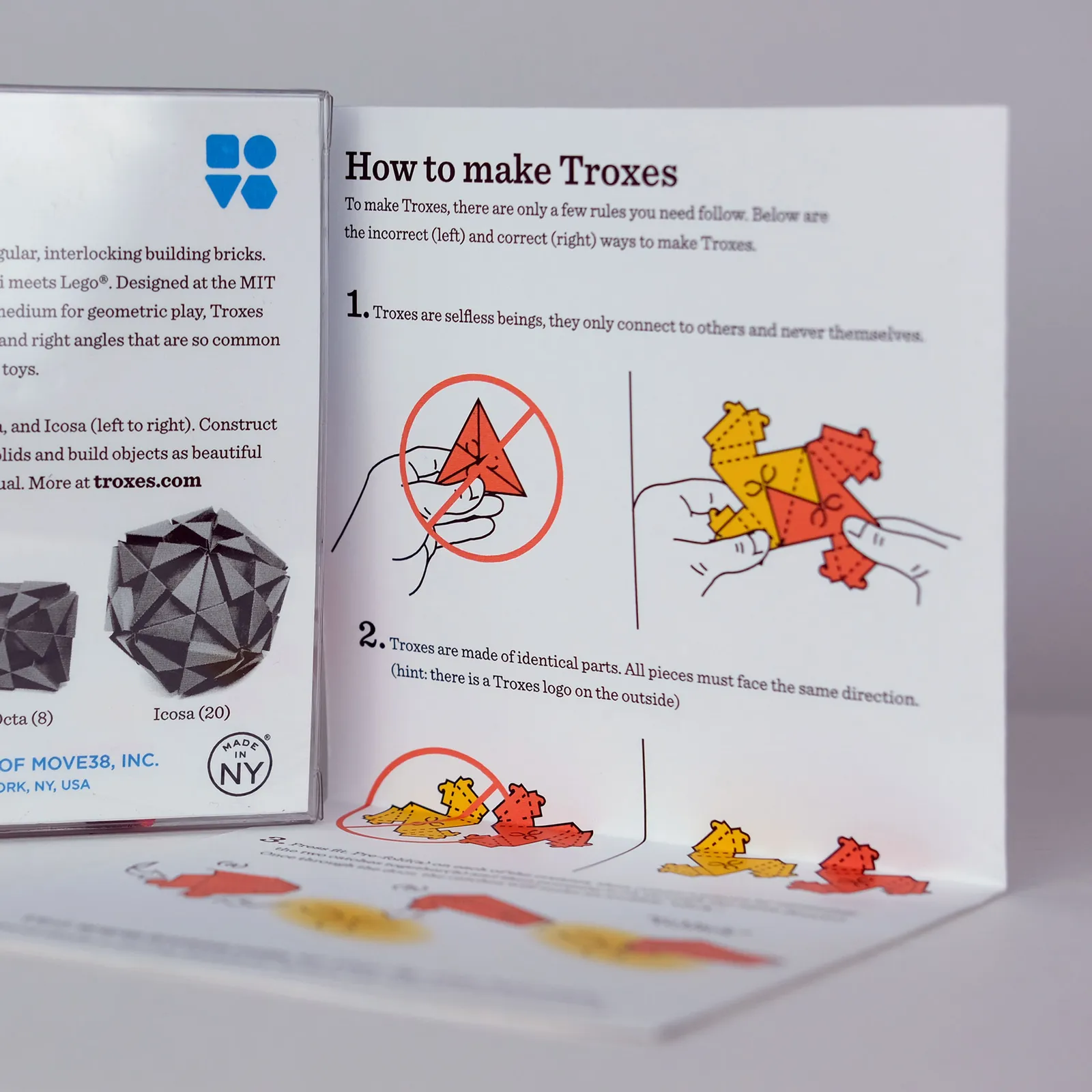
Designing for a child's hands meant designing for forgiveness. The snap mechanism had to be strong enough to hold structure under play, but easy enough that a six-year-old could connect pieces without frustration. That balance took dozens of prototypes — different paper weights, fold geometries, and tab widths — before landing on the final form.
The packaging became part of the product story. Rather than hiding the pieces in a box, Troxes shipped flat in a sleeve: a set of pre-scored sheets ready to fold. Opening the package was the first act of making.

Troxes was funded through Kickstarter, where backers could see the math behind the magic — the relationship between a flat triangle and the five Platonic solids. The campaign video showed kids building structures taller than themselves, then collapsing them flat to start over.
The production run required solving an industrial origami problem: how do you pre-score thousands of sheets per day to fold tolerances tight enough for the snap tabs to work? The answer came from a custom die-cut and score fixture, designed in collaboration with a local paper manufacturer.
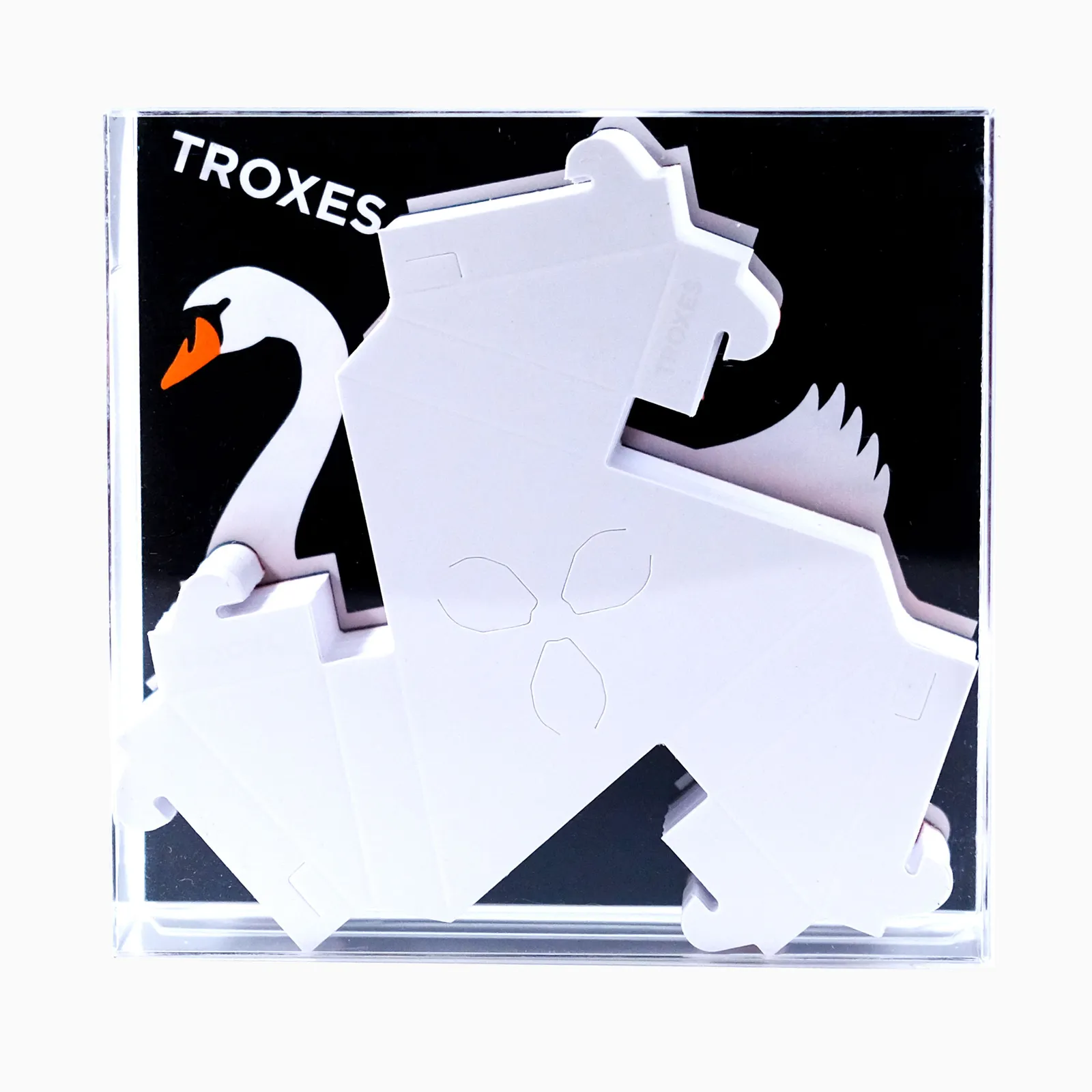
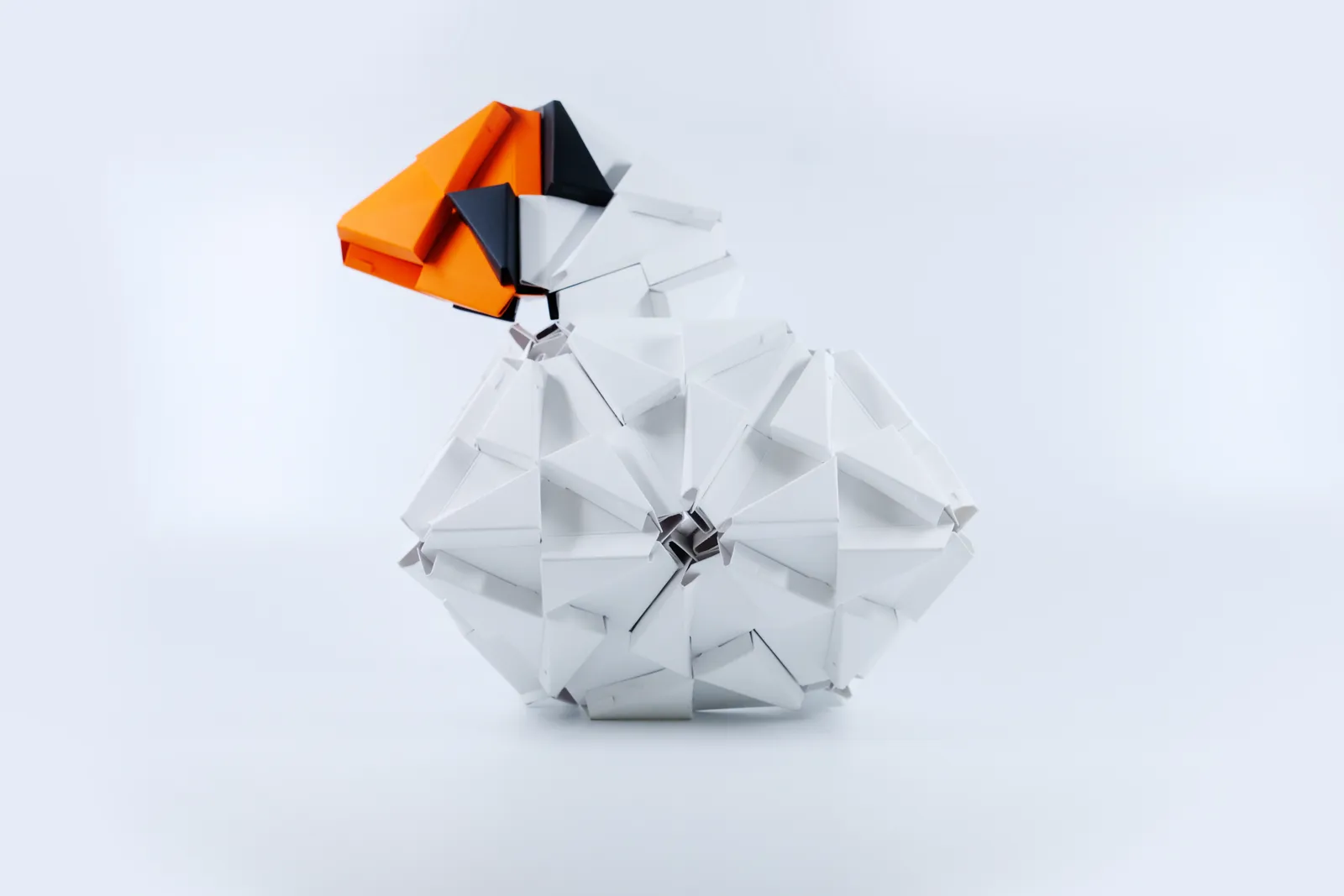
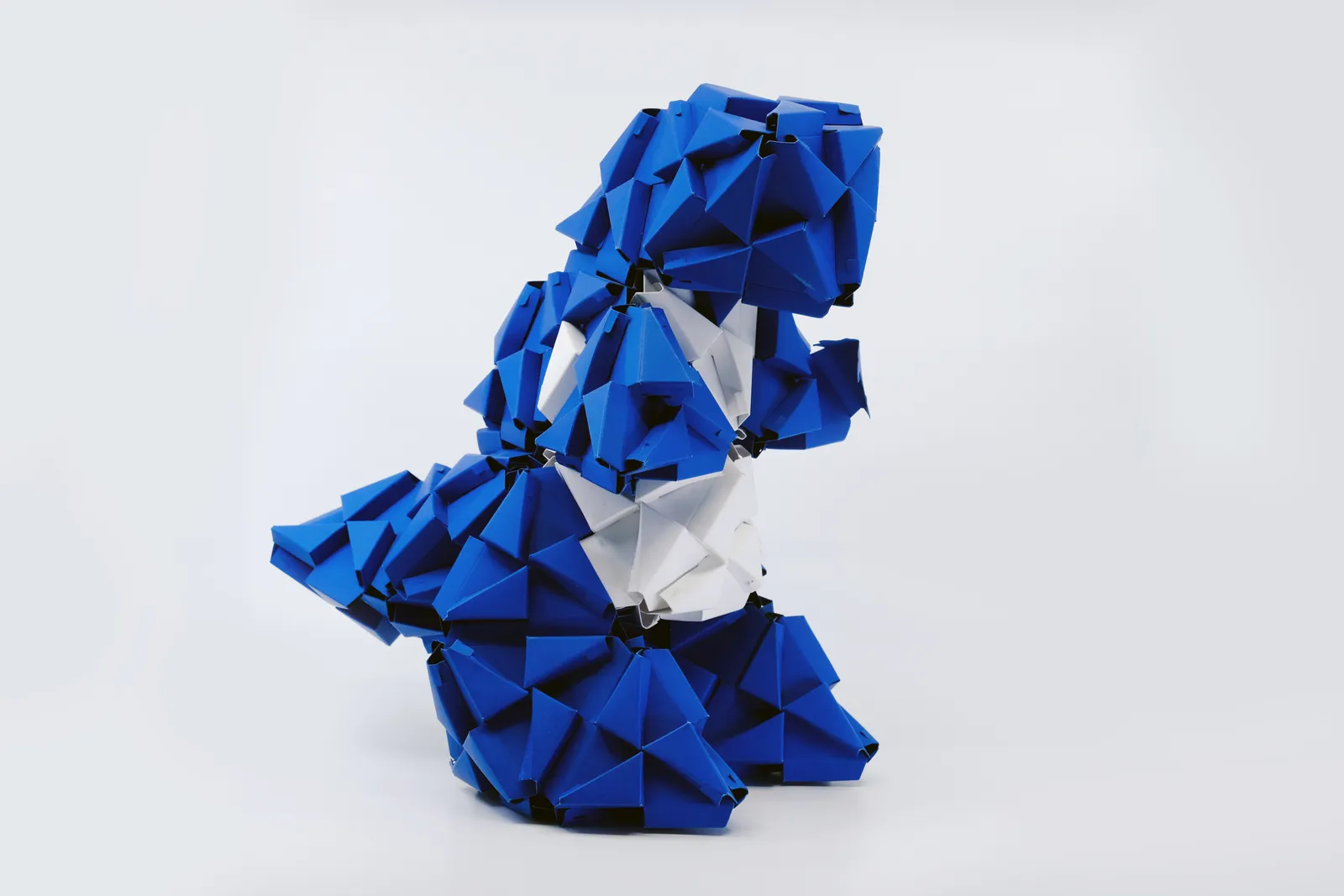
One unexpected discovery: Troxes could represent organic forms, not just geometric ones. The swan above was built entirely from standard tiles — no special pieces, just a different arrangement. This opened up an educational angle around computational thinking: how local rules (identical tiles, fixed connection points) generate global structure (a recognizable bird).
The system also has a mathematical elegance worth teaching. Each platonic solid maps to a specific ratio of tiles to vertices. An icosahedron takes twenty tiles. An octahedron takes eight. Understanding that relationship is a gentle entry point into Euler's formula and the geometry of surfaces.
Troxes was exhibited at the New York Hall of Science, the MIT Media Lab, and several design fairs. In each setting, the same thing happened: adults who "weren't good at math" would build an icosahedron in under ten minutes, look at it, and ask why nobody had shown them geometry this way in school.
That question is still the most motivating thing I've heard about the project. The goal was never to teach math — it was to make something you could hold. The math was already there, waiting in the fold.
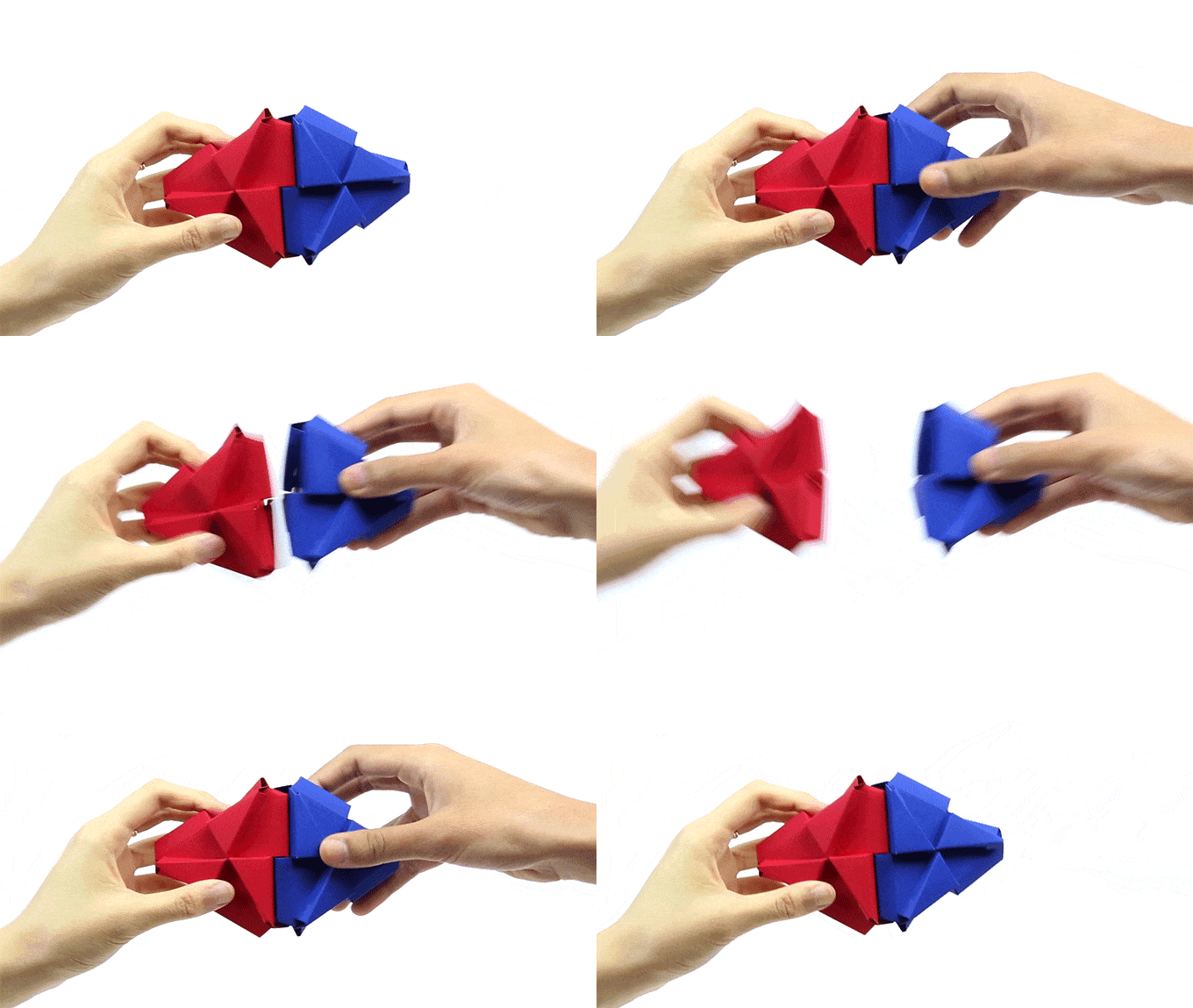
Troxes ran until 2018, when the company wound down. The designs are open-source, the fold pattern downloadable. Somewhere out there, people are still building them from scratch.
MIT Media Lab
Researcher · 2014–2016
Research at the intersection of play, learning, and technology. Explored how physical computing and tangible interfaces can create new forms of expression and social interaction.
Apps
Founder & Developer · 2023–2026
Small apps for everyday things.
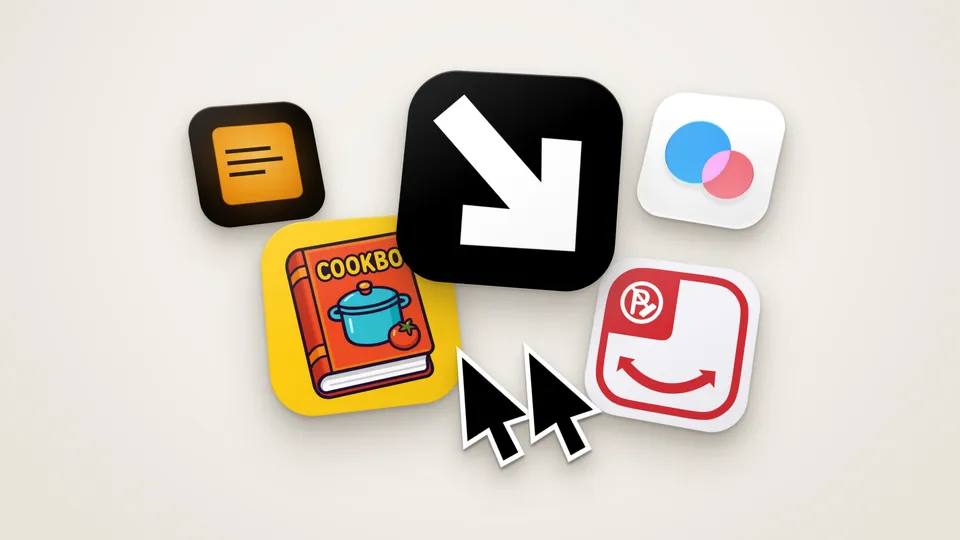
Each one starts as something I wanted for myself, and each does one job. They all live together at apps.jonbobrow.com, signed "App by Jon Bobrow".
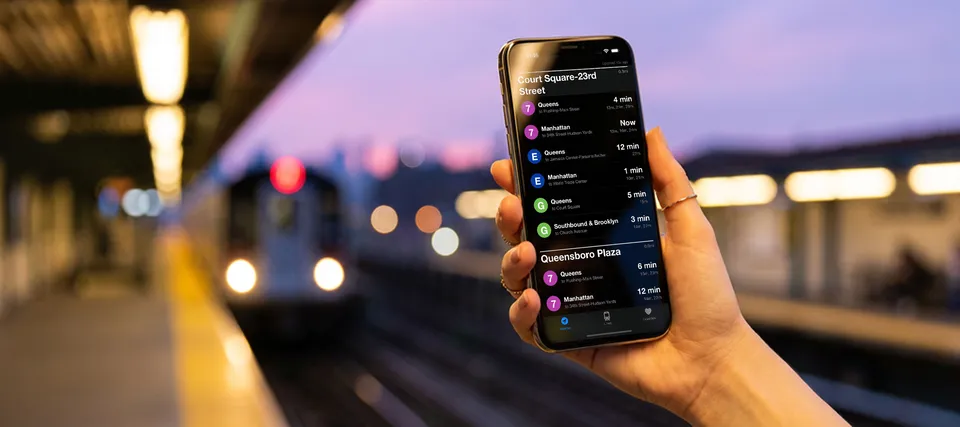
- Now Departing: live NYC Subway departure times for the train you're trying to catch, on your iPhone and Apple Watch.
- Cookbo: share a recipe link and it keeps the recipe and leaves the rest. No ads, no accounts, and your recipes stay yours as plain files.
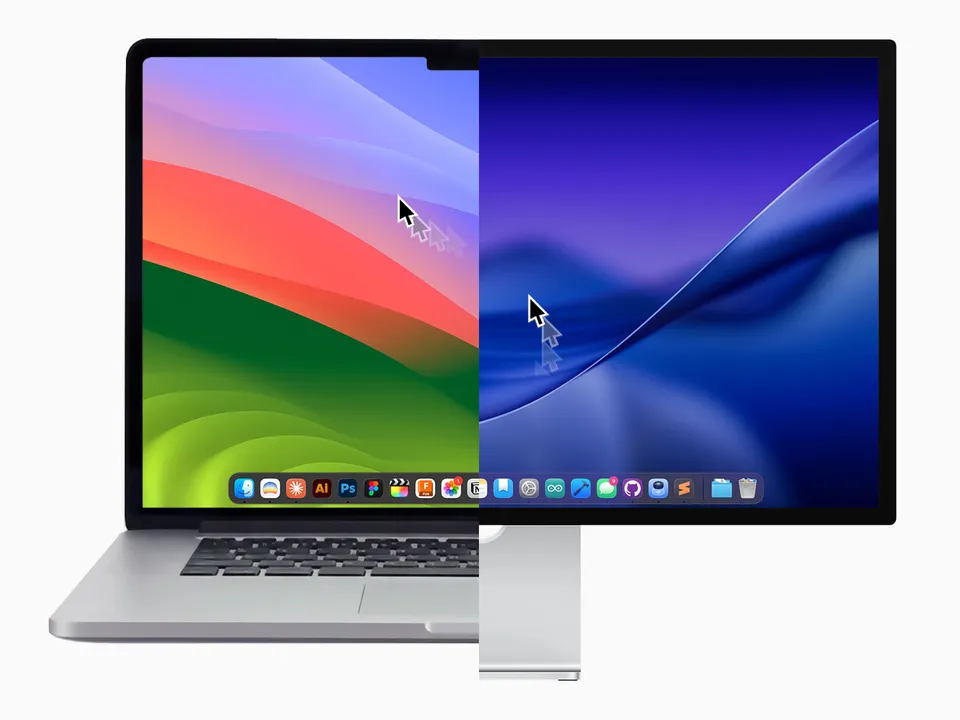
- PointerPals: your friends' cursors show up on your screen while they work, and fade away when they go still.
- Evening Reader: save articles, books and PDFs, then read them offline on a warm amber page. Built for winding down.
- Audio Bubble: hear the people you're with, even in loud places. Coming soon.
- NYC Parking: alternate-side parking rules for every block in New York City on a live map, with a reminder before it's time to move the car.
Made with heart and AI. More on the way.
Cookbo
Founder & Developer · 2024
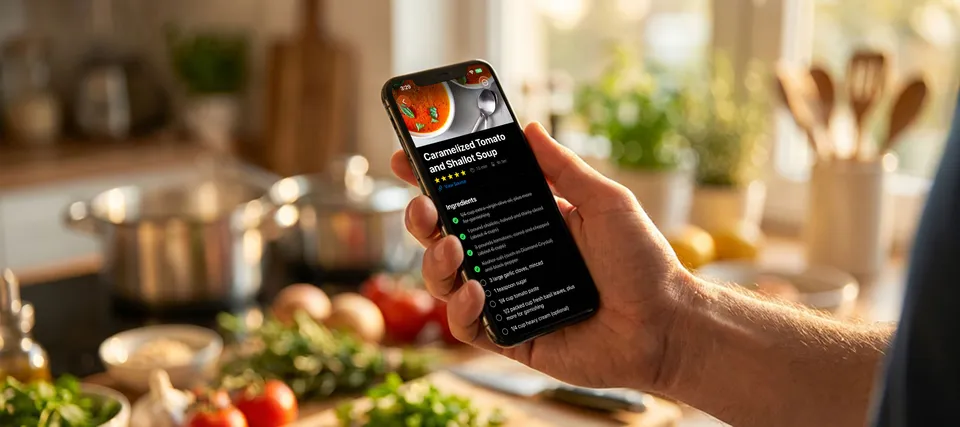
Cookbo is a recipe manager built for a single purpose, your recipes should belong to you. No accounts, no subscriptions, no cloud lock-in. Recipes are stored as plain Markdown files in your iCloud Drive, visible in the Files app, portable anywhere.
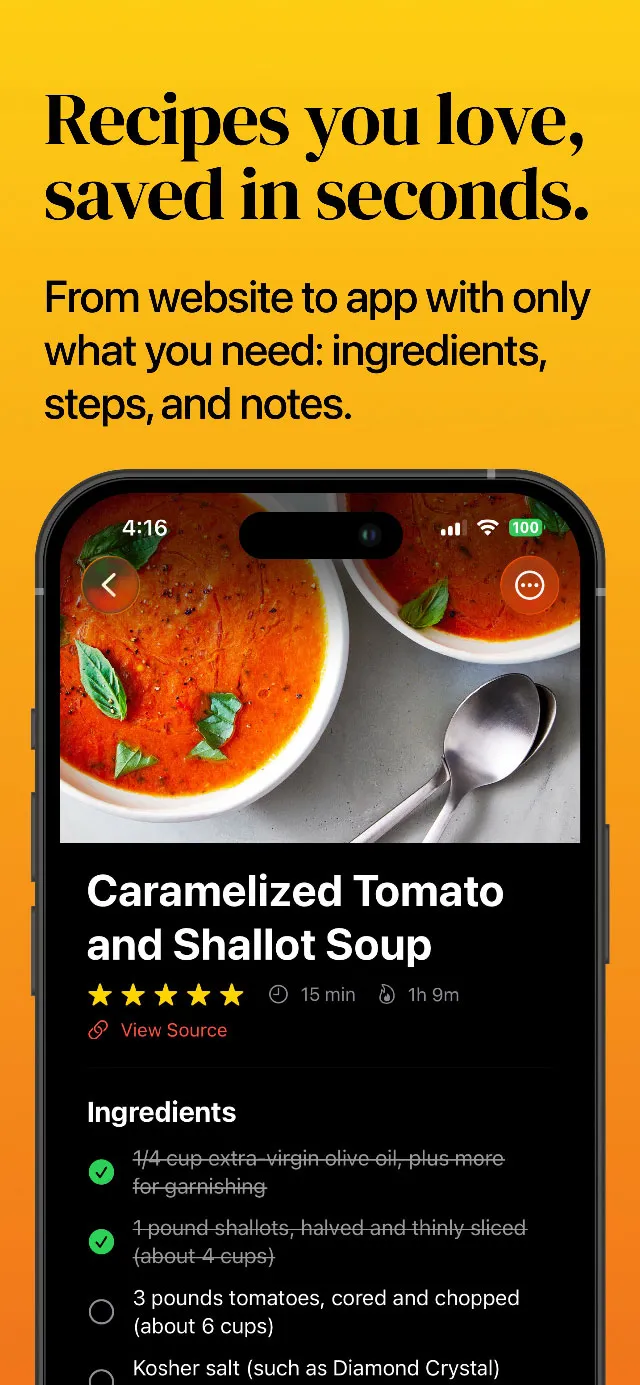
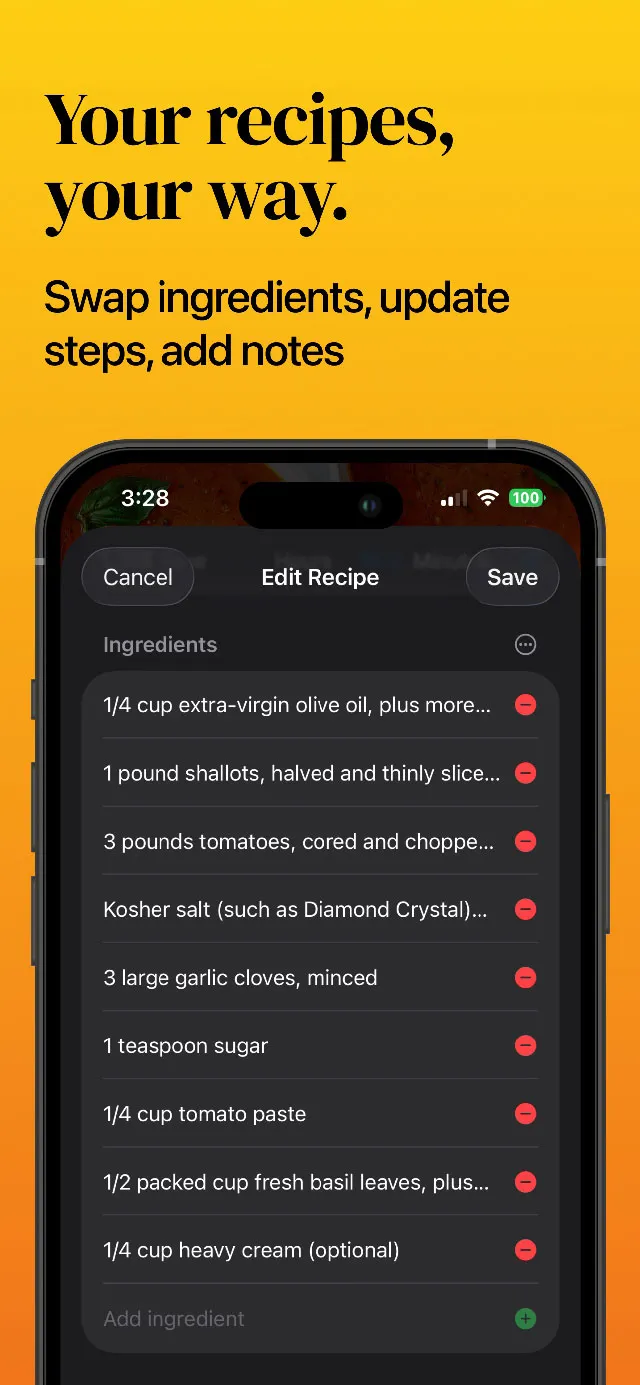
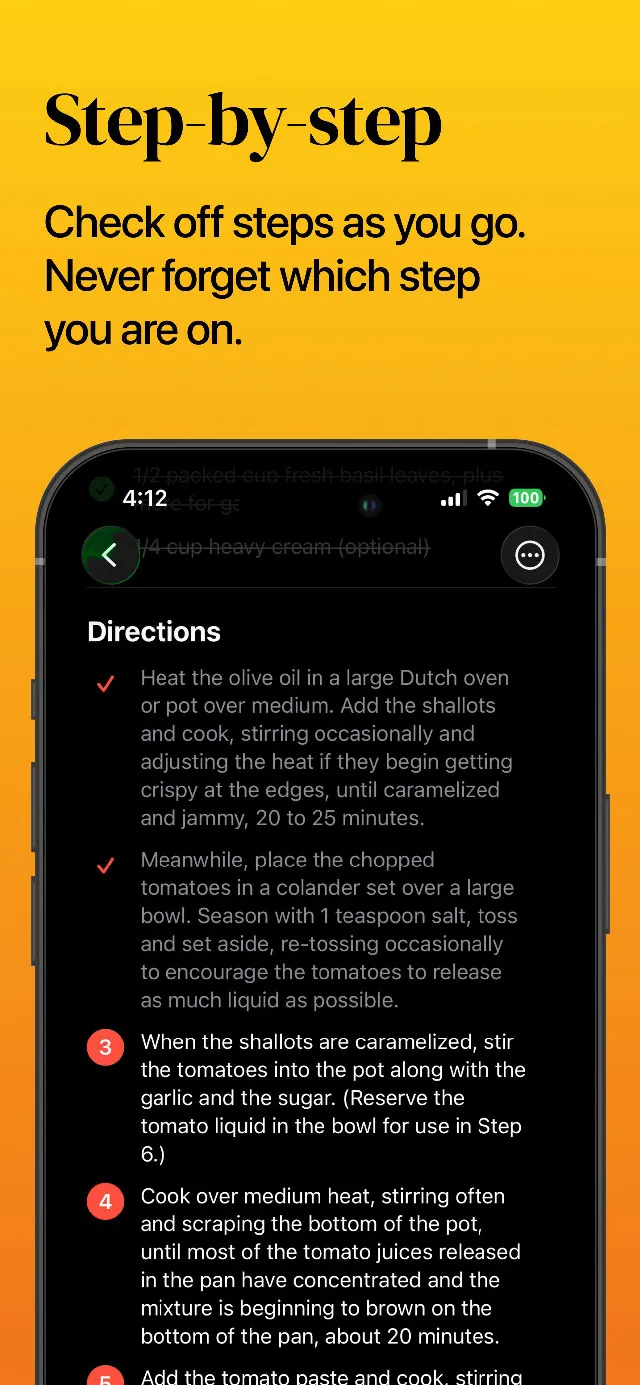
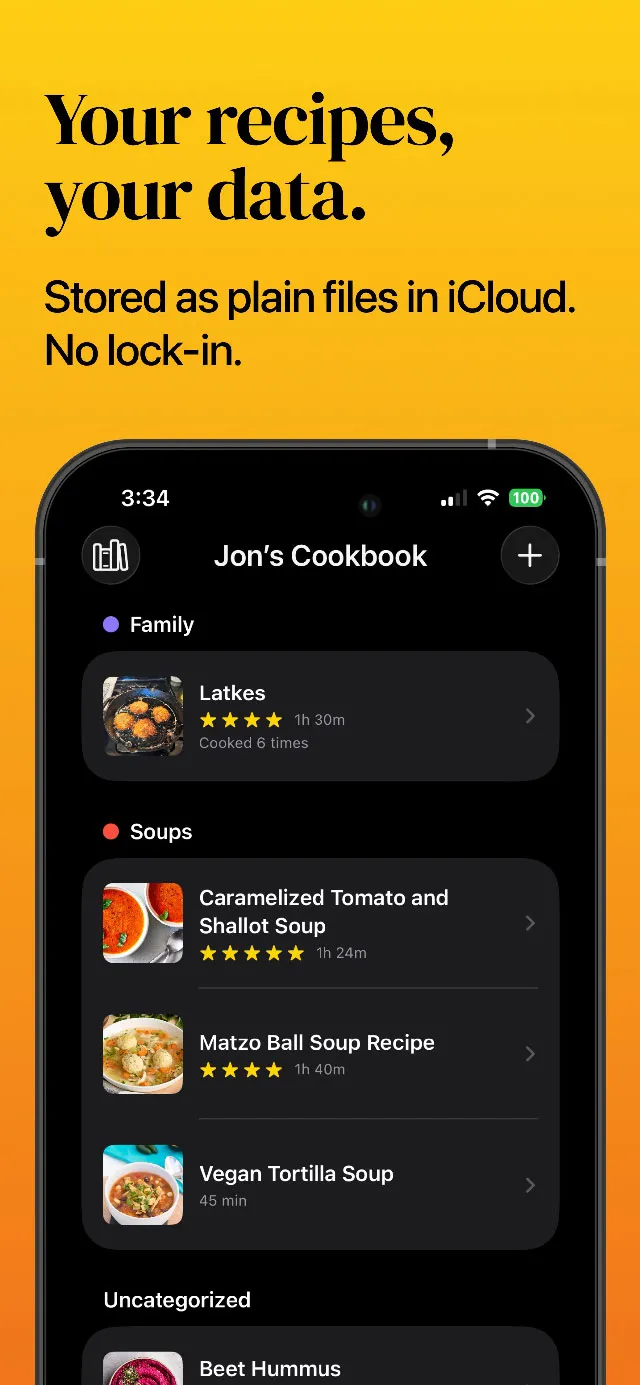
The import flow is the fastest possible path from a recipe website to your collection — tap Share, tap Cookbo, done. The app parses ingredients, steps, times, and metadata from the page automatically. From there you can edit freely: reorder steps, adjust quantities, add personal notes.
The cooking mode is designed to keep your place without tapping. Ingredients check off as you go. Steps are large and scrollable. The screen stays on. Nothing in the way.
Cookbo is built with SwiftUI and runs on iPhone, iPad, and Mac. Sync happens through iCloud Drive without any server involvement. The file format is standard and legible in any text editor.
When creating the icon for the cookbook app, Apple's image playground created a book with Cookbo written on it, and it stuck. I also like that you can't spell cookbook without cookbo 😜.
Smallest Catan
Designer · 2024
Created the world's smallest longest road to show off new features of Nanotronics' Automated Optical Inspection tool, nSpec.
It generated over 100,000 views on Reddit during a typically crowded April 1st. Many of the commenters were quick to note that the game is not technically playable in its current state. So they say.
Pointer Pals
Founder & Developer · 2023
Remote work flattened presence into a series of video calls and status dots. Pointer Pals is a quieter experiment: what if you could just see where your collaborators' cursors were, right on your screen, without any meeting or notification?
The app renders remote cursors as a transparent, always-on-top overlay. They show up, labeled with a name, move in real time at 30 FPS, and fade after five seconds of inactivity. They don't block anything. They don't ask for attention. They're just there — a peripheral signal that someone else is working too.
The architecture uses normalized coordinates so cursor positions translate correctly across different screen sizes. A WebSocket server running on Google Cloud handles the pub/sub layer. The macOS client is Swift/SwiftUI; a Windows client exists in C#/WPF for cross-platform pairs.
The marketing site demonstrates the idea without any installation — two animated cursors trace paths across the page, showing exactly what the experience feels like before you commit to downloading anything.
The name came easily. They follow you around. They're your pals.
Now Departing
Founder & Developer · 2024
Know when your train is coming. That's it.
Available in the iOS App Store (for iPhone and WatchOS).
Design across scales
Designing for public signage versus designing for an individual, an iPhone, or a watch, comes with its own affordances and user needs. For example, a public subway sign doesn't care which train you are taking, it is going to prioritize the one that is next. With Now Departing, I made considered decisions about not just what to show, but how to show it. Since users can use Google Maps or similar to get detailed directions, Now Departing gets to focus on a different usecase: "I know where I'm going, I do this everyday, I just need to know when the train is coming."
Javascript on iOS
Now Departing started two years before the app existed, as a Scriptable widget. I wrote the few hundred lines of JavaScript while riding the subway. The goal was to make sure I never enter a subway station, simply to find out I just missed a train and am now past the turnstyle instead of enjoying a matcha. I shared on Twitter, and lots of people asked where they could get it. This was reason enough to turn it into a native app.
I’d love to get feedback on a widget I made for iOS this weekend. I made it as a little present to myself and any other New Yorkers that ride the same Subway everyday.
— Jonathan Bobrow (@JonathanBobrow) · December 27, 2022 · View on TwitterNative iOS (Swift)
The native version runs on iPhone and Apple Watch. The watch app was the real motivation: a glance at the wrist while walking down the stairs, departure time visible before you reach the turnstile. Getting an Apple Watch as a gift turned into a watchOS project, built in collaboration with ChatGPT as an AI pair programmer, learning the platform's patterns and constraints through conversation rather than documentation alone.
The data comes from the MTA's GTFS Realtime feed via MTAPI, the same source that powers wheresthef***ingtrain.com. The UI is directly inspired by Massimo Vignelli's clean black and white typography and lines — departure times, line icons, nothing extra. Home screen widgets extend the same information without opening the app.
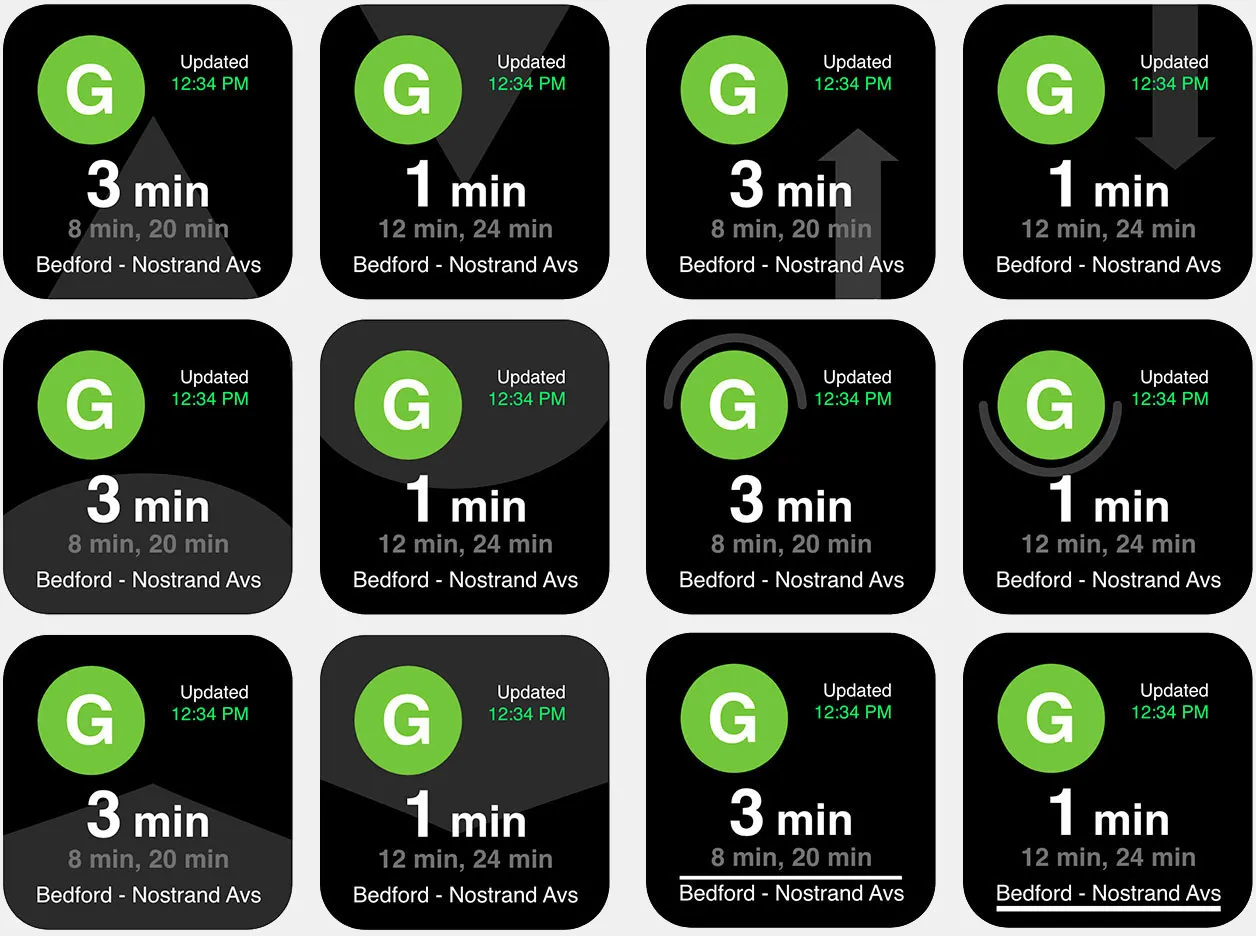
The original Scriptable version is still in the repository, a JavaScript artifact from before there was a native option. The following is some explorations for how to have the widget show train direction.
Paul's Quotes
Designer & Developer · 2023
For two years, Paul Henrique, Security Manager at Nanotronics' Building 20, curated a collection of quotes on a physical display board at the entrance. Walking past it every morning, I saved each quote in a spreadsheet, almost as a small ritual. The quotes were always relevant as they were handpicked and worth reading.
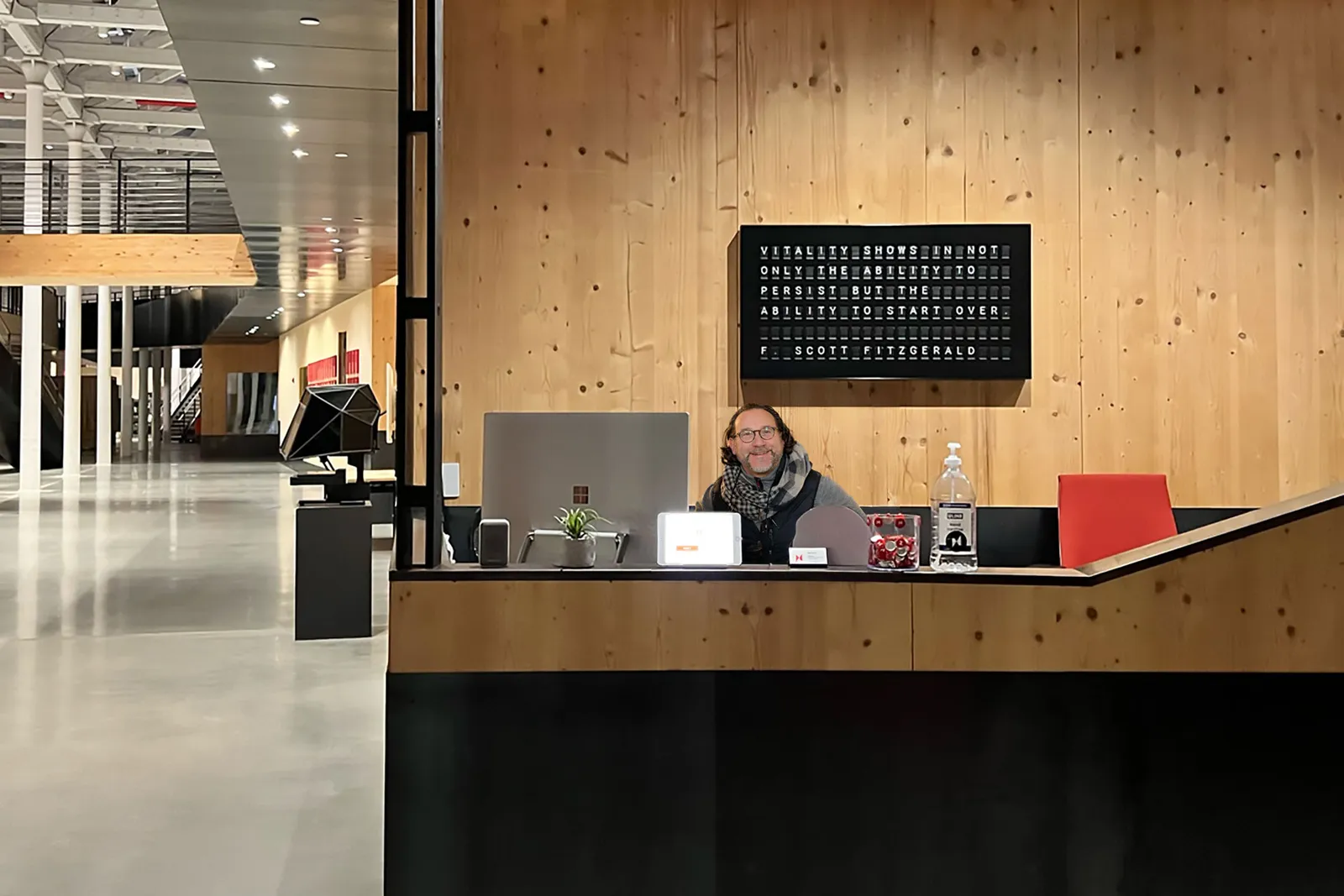
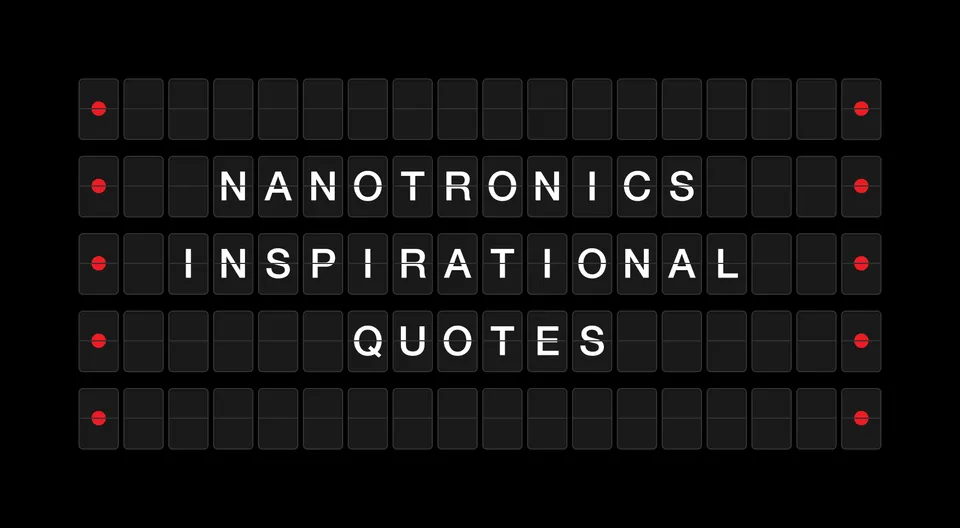
When I found out that Paul was starting a new role, closer to home, and for another exciting company, it felt only appropriate to put this collection to use. Paul's Quotes is a tribute: 700+ of his selections displayed on a single page, rotating every thirty seconds, rendered in the style of a mechanical flip-board, the same one we had in our entry way, with letters tumbling into place.
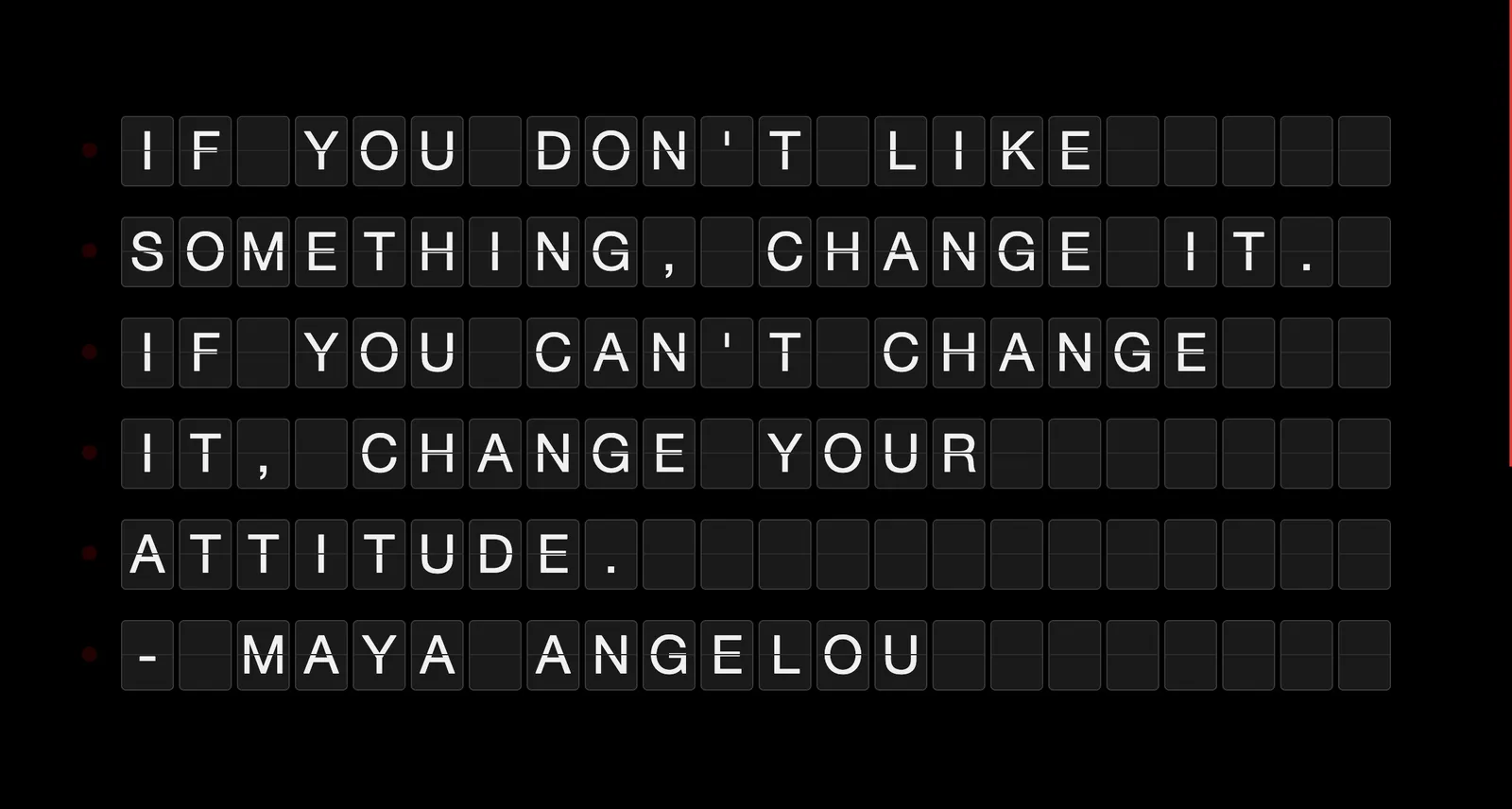
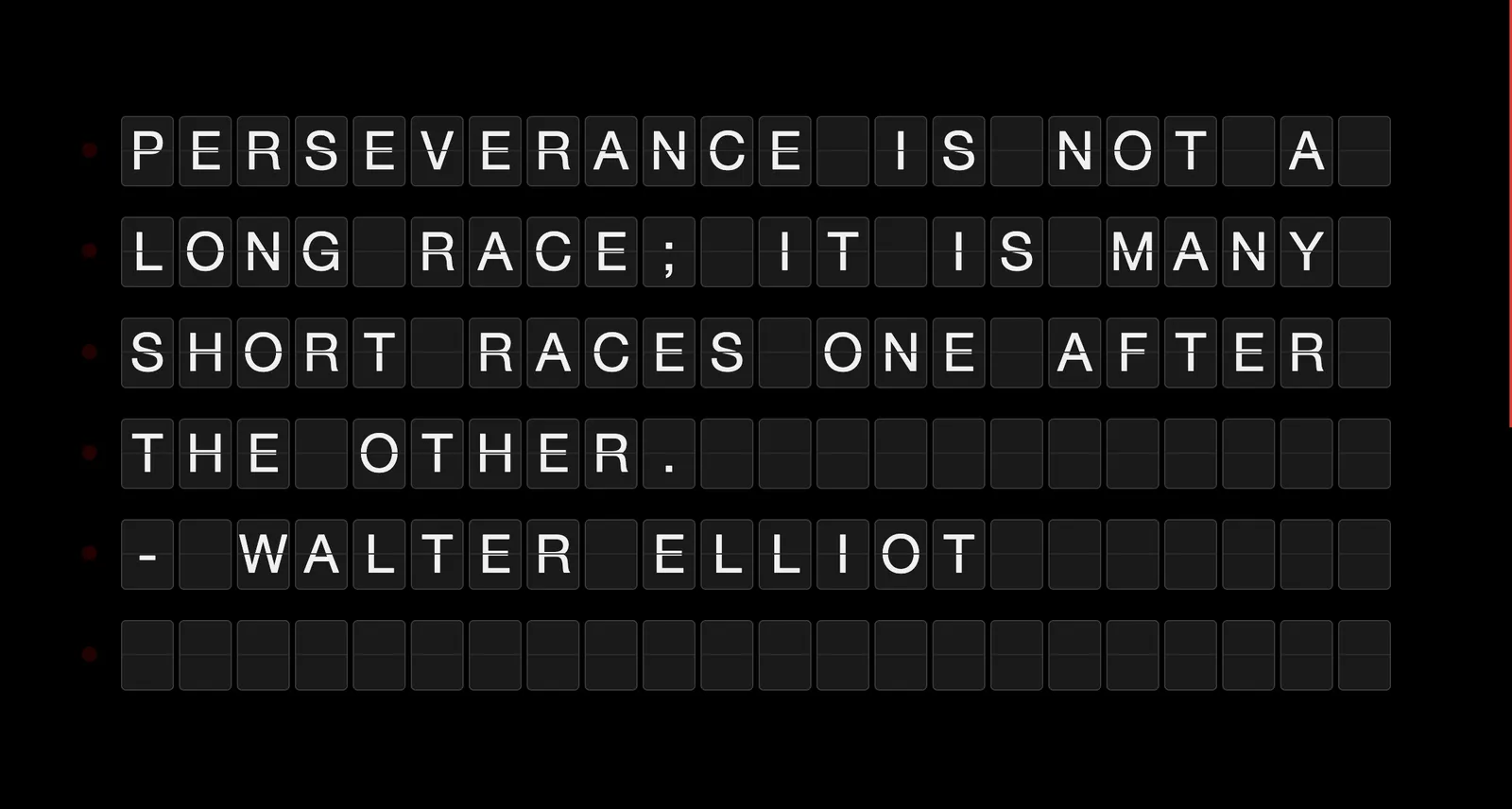
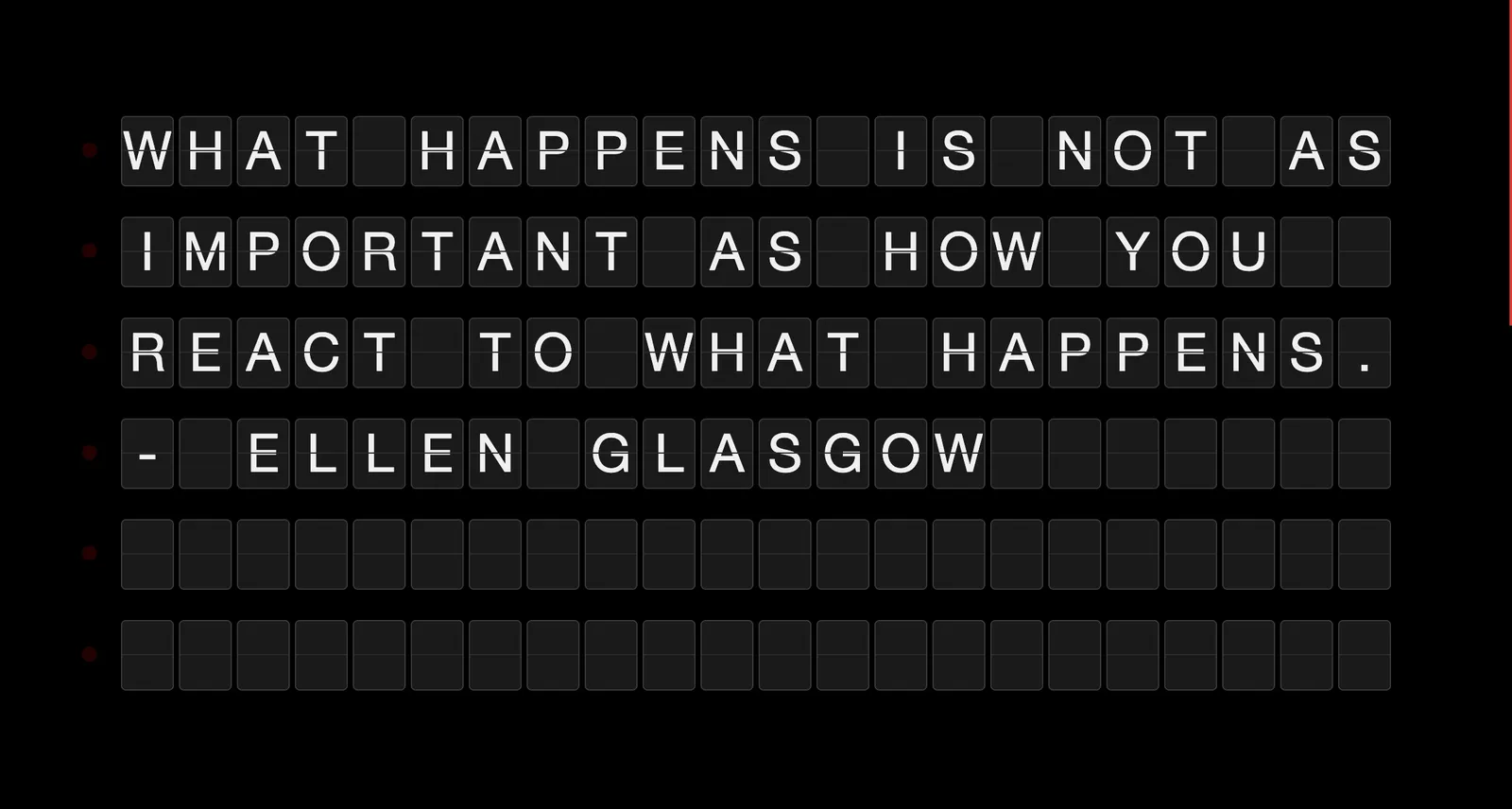
The flip animation comes from Flapper, a library that made the whole project feasible as a quick build rather than a long one. A red countdown bar runs across the bottom in fullscreen mode, a quiet indicator that the next quote is coming. Quotes can be shared to Twitter or Bluesky; holding option or alt switches between them.
Additional features were added to the quote display, such as a fullscreen formatting option, as I learned others were enjoying having the site open on displays not actively in use. The website lives at www.paulsquotes.com.
iCloud Viewer
Founder & Developer · 2024
Shared iCloud albums are useful until you want to do anything with them — bulk download, browse on a non-Apple device, or just see everything in a proper grid. iCloud Viewer fills that gap: paste a share link, get a full gallery.
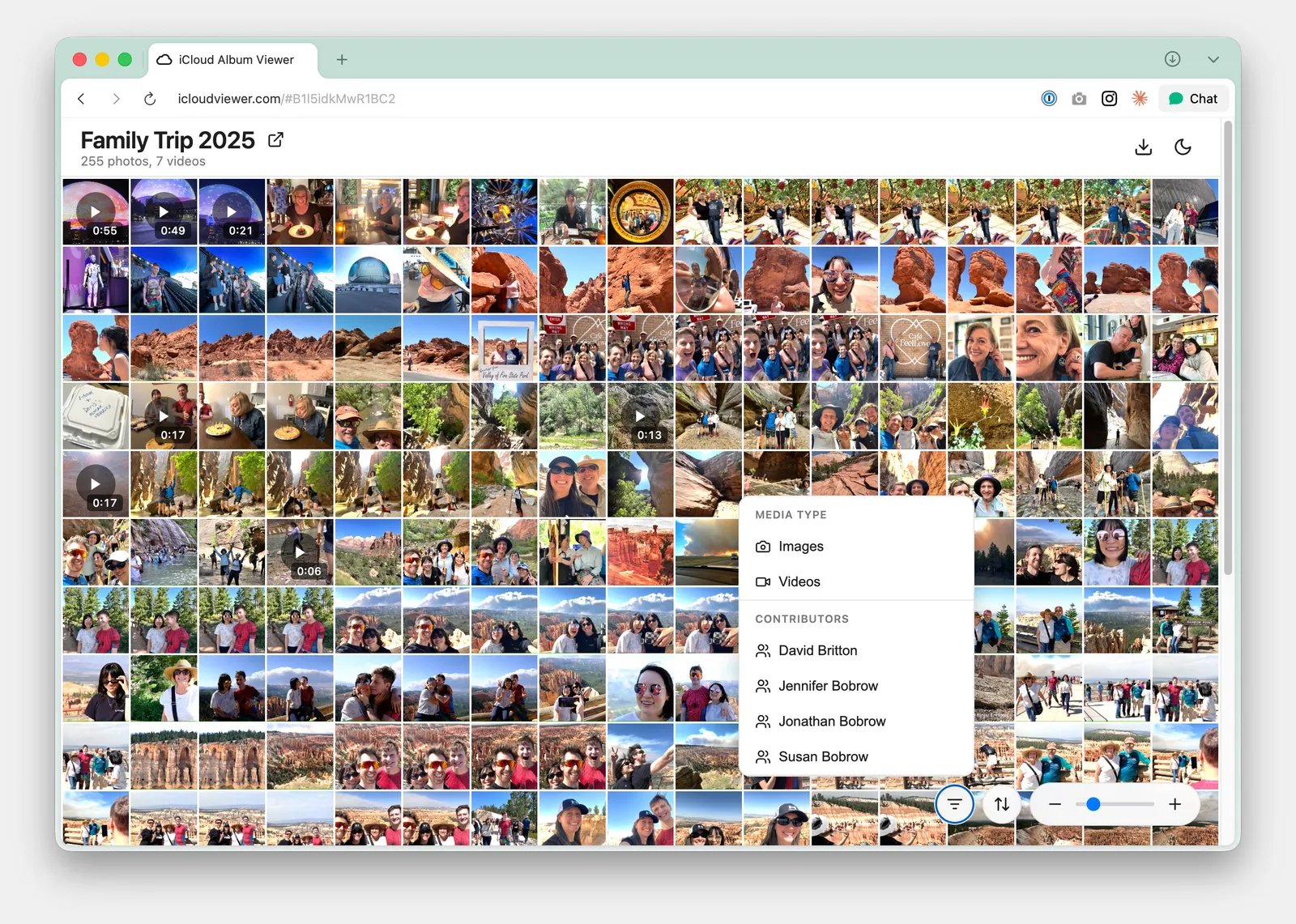
No Apple ID required. No installation. The entire frontend is a single React HTML file with no build step — JSX in a <script> tag, dependencies loaded from CDN, ready to fork or self-host. A lean Express backend proxies requests to the iCloud Shared Streams API, which doesn't support CORS from the browser directly.
The gallery adjusts from 2 to 20 columns, filters by photo or video and by contributor, sorts by date, and exports a ZIP of everything or just one type. The full-resolution viewer supports keyboard arrows and touch swipes. Videos play inline with poster frames. The whole thing is deployed on Google Cloud Run's free tier.
The design takes cues from Apple's own aesthetic — smooth transitions, clean grid, nothing in the way of the photos themselves.
Period Tracker
Developer · 2022
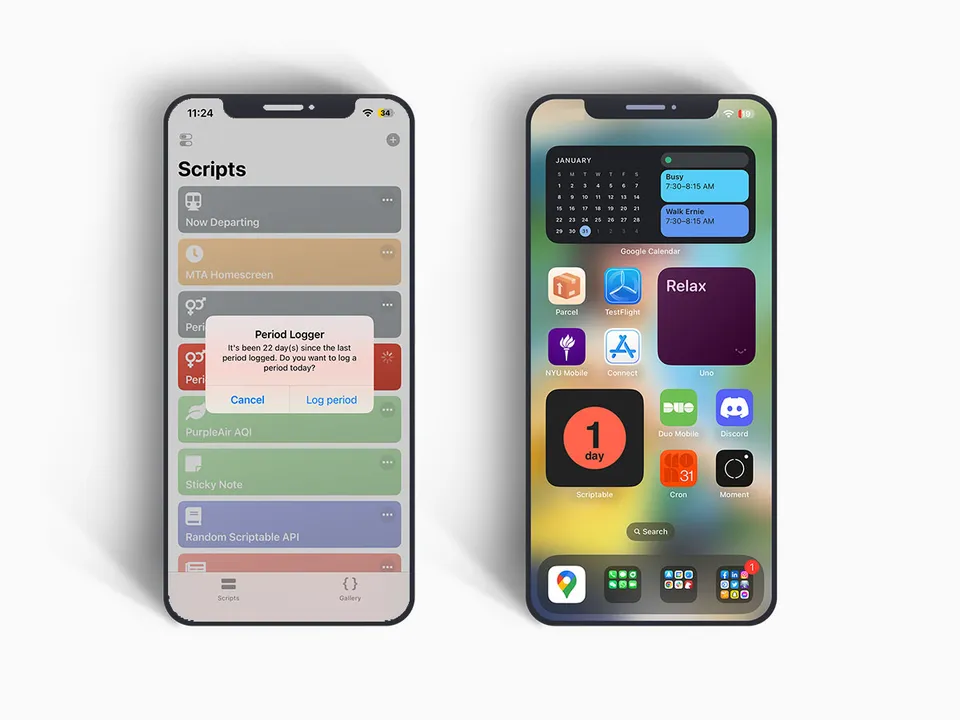
A home screen widget for tracking menstrual cycles, built for the Scriptable app on iOS. The display shows cycle progress at a glance — where you are, how long until the next period, averages calculated from your history.
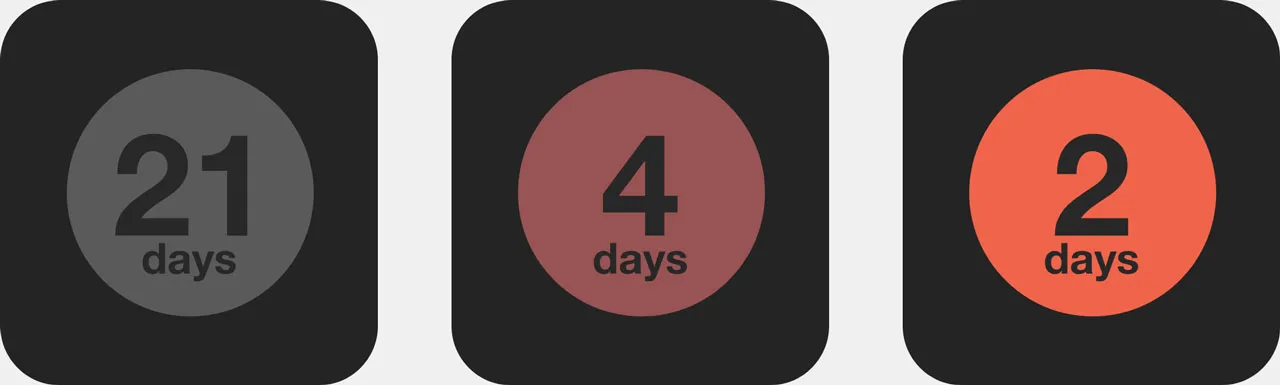
The data lives in a CSV file in iCloud Drive. No app, no account, no server — just a file you own, visible in the Files app, importable anywhere. The two-script architecture keeps concerns separate: one script for the widget display, one for logging a new period start date.
Privacy by design, not by policy. The same philosophy that runs through Cookbo and other tools: if the data is yours, it should actually be yours — stored as plain text, in a folder you can see, portable to whatever comes next.
Built in JavaScript, entirely within Scriptable's sandbox.
Popular Mechanics
Hardware Design · 2017
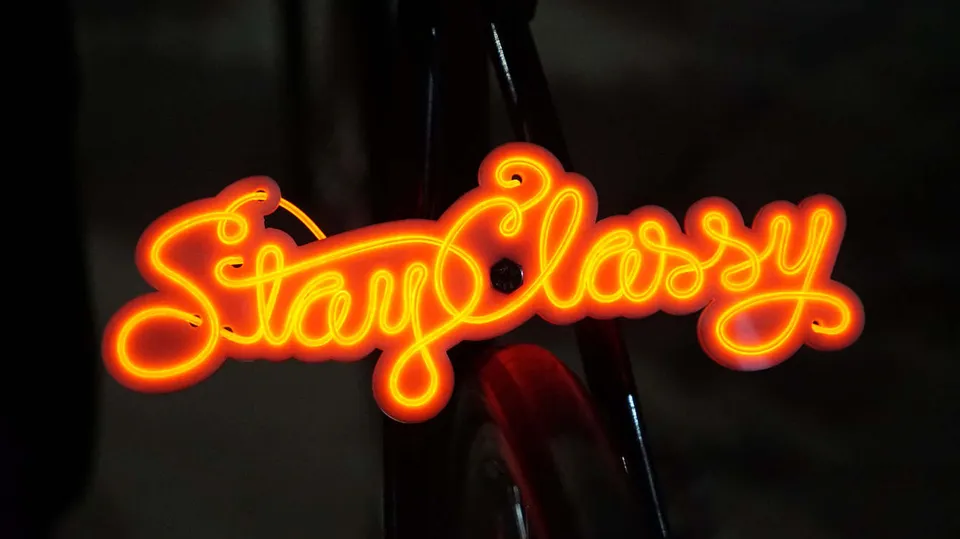
Prompted to design the coolest thing ever for the September issue of Popular Mechanics, Jonathan Bobrow decided to keep it classy, a little too much so, and create this EL-Wire miniature "neon" sign for his bike. To create this piece, he designed a 3D print to hold the EL-Wire perfectly in place, without needing glue or tape. Now that he has shared the 3D print here, you can make one too! Note: EL-Wire is not included, and mounting to a bike might require some additional hardware. In Jon's case, he used some epoxy and a bolt.
Shapeways 3D print & Downloadable 3D Model (STL file) available.
Automatiles
Designer & Engineer · 2015
AutomaTiles have evolved into Blinks, which you can now buy from Move38.
AutomaTiles are curious devices — they listen to their surroundings and talk to their neighbors. They seek to expose systems thinking through tactile play. Each AutomaTile is a single cell of a cellular automata, behaving according to a simple ruleset, and one piece of a larger emergent system.
Systems thinking is not yet widely accepted as a model for problem finding (the critical design alternative of problem solving). As identified by Donella Meadow's Thinking in Systems, the world's most detrimental and persistent problems are not yet solved because they have repeatedly been approached without a systems view. My goal is to provide a playful way to engage kids and adults in thinking about how the whole is not always equal to the sum of its parts.
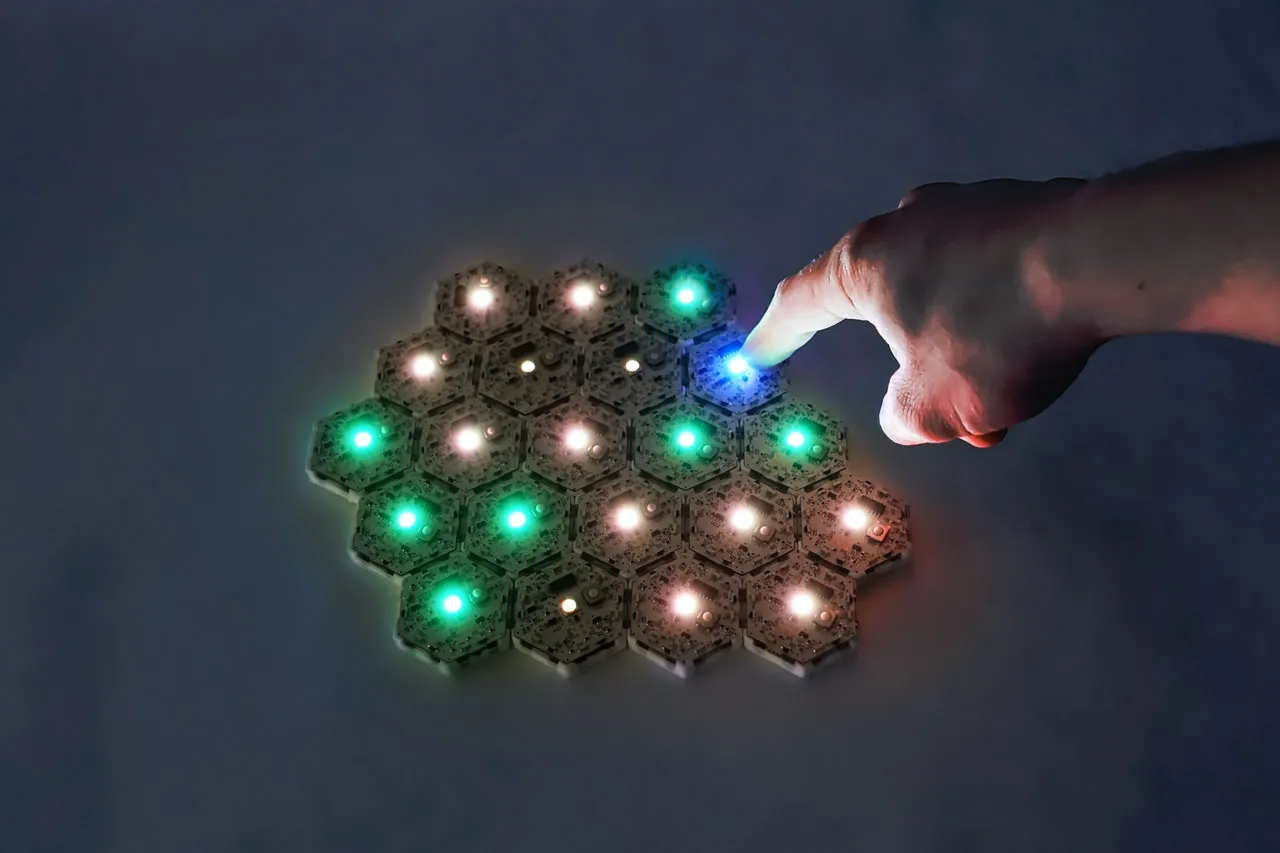
All concept, software and hardware design are my original work as part of Playful Systems at the MIT Media Lab with assistance from Joshua Sloane (Electrical Engineering) and Claire Patterson (Mechanical Engineering). The ongoing process is documented on my Process Blog.
Avedon
iOS Developer · Potion · 2014
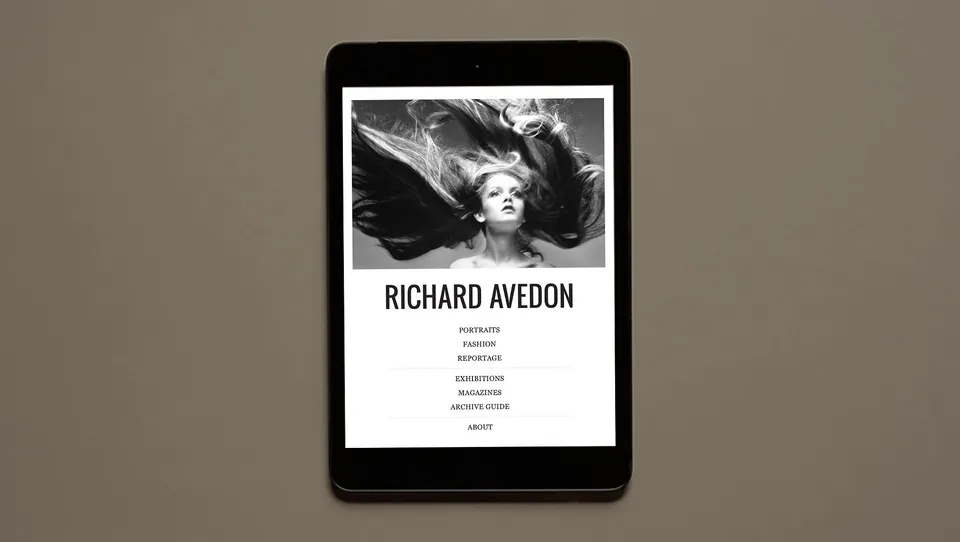
Working with The Richard Avedon Foundation and my team at Potion, I led development on an iPad app to explore thousands of images from an archive of over 50,000. Potion continues its streak of creating elegant new ways to explore content, draw connections, and use an iPad for what it is best at — a window into another world.
My work on the app spanned a year from research and discovery to concept development and parametric design sketches, eventually building a CMS and working with my coworkers to develop a fully native iOS app. Handling this many images at varying sizes with image quality as a top priority is no small task. Every image can be viewed with retina display quality and even zoomed to greater detail. Related topics for images allow photos to be juxtaposed much like the process of curating an exhibit.
Dice++
Designer & Engineer · 2014
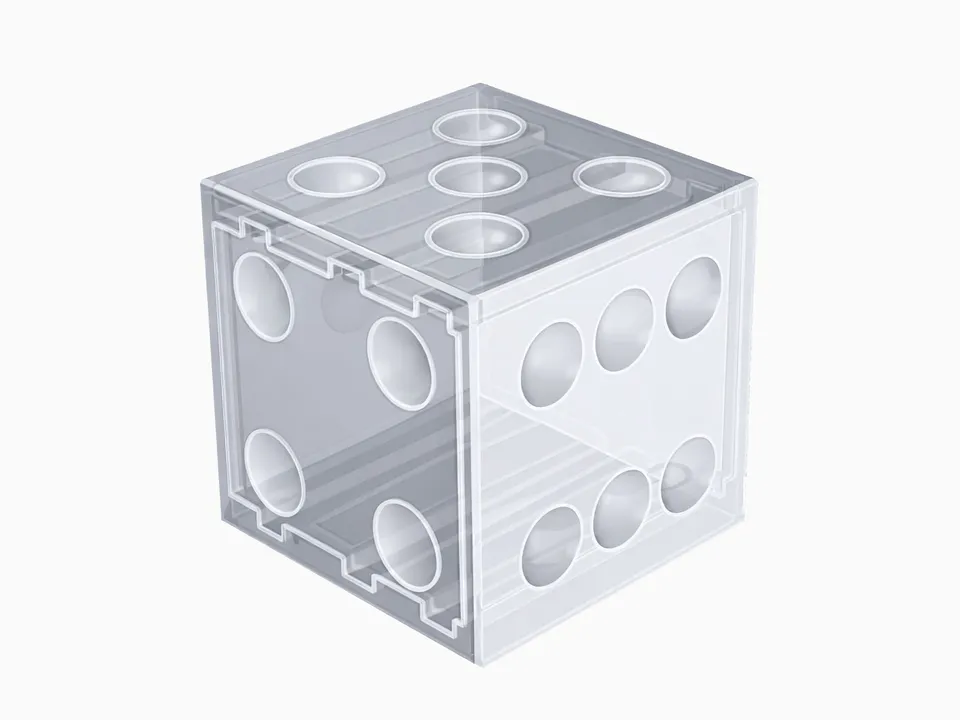
Dice++ is a critical design object — a die which can roll values of weighted distribution based on external influences. The execution is a BLE (wirelessly) connected set of dice with actuators inside to change the moment of inertia mid-roll, weighting the probability as determined by a connected device.
With more and more information at our fingertips, software developers are rapidly invoking optimization algorithms to reduce the content you consume and bias it towards the content you are most interested in. Think of Facebook's news feed showing only "important" news. These algorithms are largely transparent but are soon to be ubiquitous. In gaming, slot machines have taken advantage of carefully crafted algorithms to optimize for addiction as well documented in Natasha Schüll's Addiction by Design. Dice++ suggests that these kinds of algorithms may soon be part of our physical world much in the way they have driven our digital world.
Dice++ is a 16mm x 16mm, regulation-sized die. The components for charging as well as wireless communication are all arranged inside of the die.
KeyBit
Founder & Designer · 2013
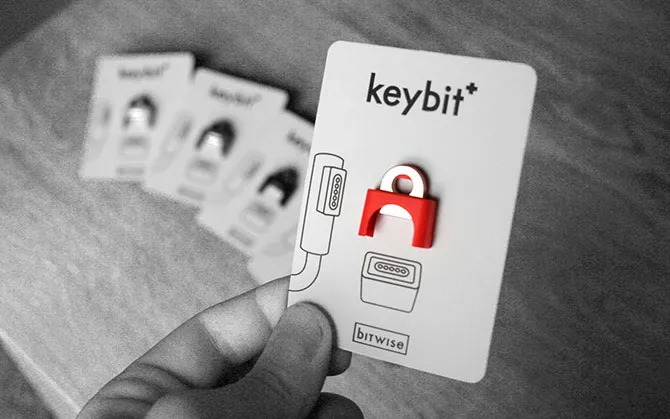
KeyBit was a product born out of necessity and some helpful resources. Taking advantage of the internal magnet of the MagSafe adapter, I sent a model of a keyring to be 3D printed in steel, with the hopes that I could carry this needed adapter with me at all times. To my surprise, a bunch of other people were having the same problem.
The KeyBit provided an opportunity for me to take an object from prototype to full manufacturing (steel milling + injection molding), branding, packaging, and fulfillment, and it started a small company called BitWise Design. The process is succinctly documented in my Kickstarter campaign updates.
Lie of Large Numbers
Writer & Programmer · 2013
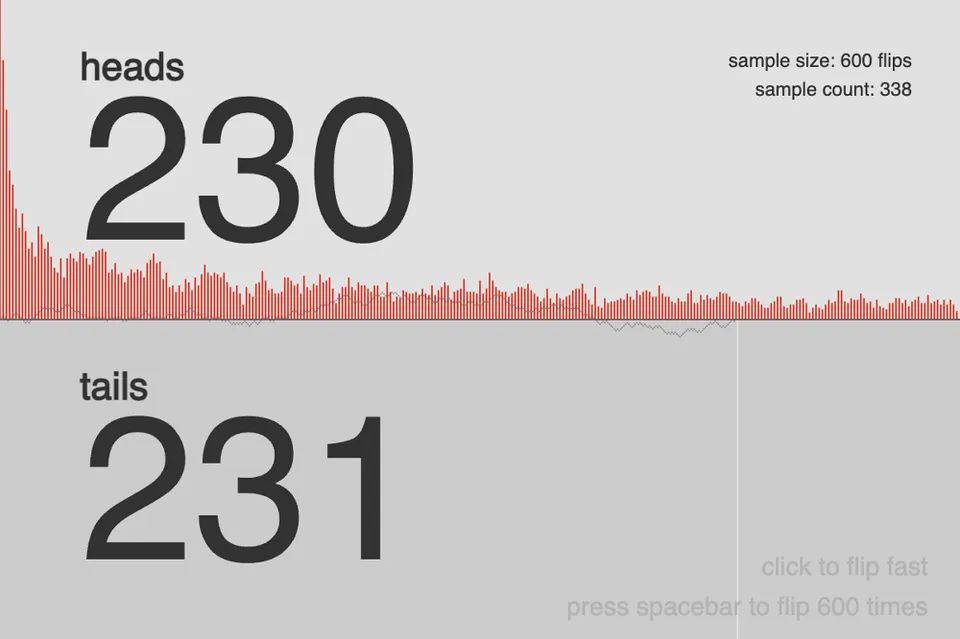
I wrote a piece describing my feelings on big data, high school statistics, and how a global average is not always representative of a local experience. You can read it here.
Fun fact: In high school, I first wrote a small piece of software on my TI-83 to disprove my teacher. A decade later, I rewrote that script with Processing and then P5.js to illustrate my point.
Watch Now
Designer & Engineer · 2013
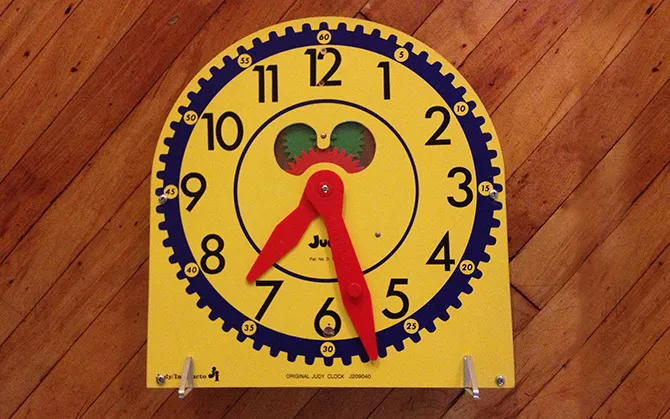
Installed at Tempo NYC, the modified Judy Clock allows the viewer to pick any time and instantly generate a YouTube playlist of movies featuring that time, which then plays. When idle, the clock returns to the current time and increments as expected.
The hardware consists of an original Judy Clock, 3D printed gears, laser-cut acrylic, a rotary sensor, a stepper motor and timing belt, and an Arduino to read values and control the position of the hands. All communication to the JavaScript website is done through serial communication and node.js.
The JavaScript portion of this piece was conceived and implemented by Phillip Tiongson.
Shop Life
Designer & Engineer · Potion · 2012
Tenement Museum - Shop Life
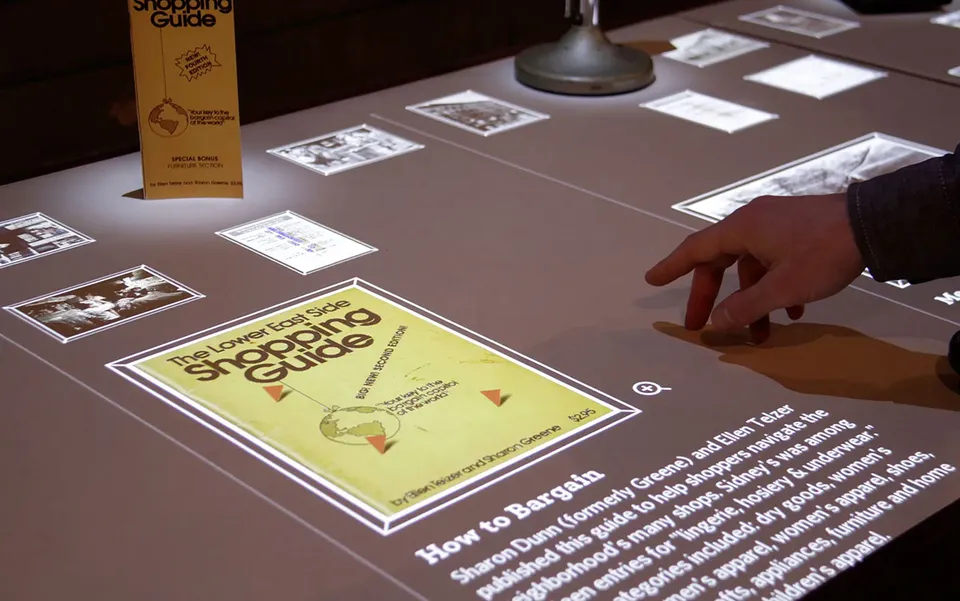
Shop Life is my most personal project since developing at Potion. This exhibit allows visitors to explore stories within a tour-led museum space. Visitors are able to handle artifacts which initiate the stories behind them and the people that might have held these items before.
A 1860s bar — restored and heavily modified — allowed us to hide 15 RFID readers, Arduinos for sensing phone activity, multichannel audio cards, and the computers running the installation. A series of depth cameras above allow for touch sensing, and all of the components hide neatly away to provide a seamless experience.
I have learned more during this project about simplicity, storytelling, hardware, and the reality of beyond the demo than any other project I have ever completed.
Carte Blanche
Designer & Engineer · 2013
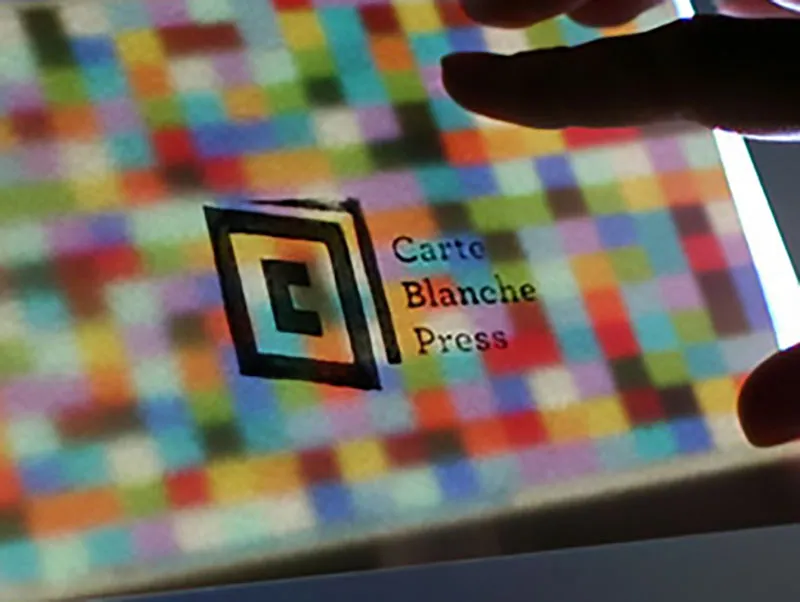
Carte Blanche Press is a collaboration between Jenny Leary and Jonathan Bobrow. The two happened to cross paths while Jonathan was visiting the Media Lab and while Jenny was presenting her work there. The result is a product that provides endless possibility, pulling the digital world into the physical world, revealing hidden messages and taking advantage of color mixing and the limitations of human perception.
At the 2013 World Maker Faire, Carte Blanche was revealed and brought wonderment to thousands of kids and adults. The project received a coveted Educator's Choice award and has since been presented to NYC physics teachers, is undergoing the patent process, and is readying for a product launch.
Carte Blanche takes advantage of some existing visual encryption techniques while employing some entirely novel approaches. Custom software, written with Processing and then JavaScript, creates a visual pattern or image with a contained hidden image using algorithms that rely on perceived color values. Both hand-colored images as well as code studies have allowed us to explore many possibilities with aesthetics and functionality.
Closer
Programmer & Artist · 2012
Closer (open source Chuck Close images)
The idea was to deconstruct the artist's most known style, automating what we would consider much of the creative process — which resulted in exposing the uniqueness of the artist's work. Additionally, the artist made some incredibly nearsighted comments about art in general that I happened to disagree strongly with. Art is an open process and quickly evolving because of its open nature, and to take that away from art is to not respect the artists from which you learned, copied, and built upon.
Set Expansion
Designer & Programmer · 2012
I decided to take one of my favorite card games — a deceivingly complex game — and make it unreasonably complex. Set currently uses 4 parameters with 3 options in each parameter. I decided to add a 4th option to each parameter, changing the game from a deck of 81 cards to a deck of 256.
Additionally, in my interest in how to become a better Set player, I wrote software to determine which traits a player should be paying attention to most at any given moment. My theory is that a mainly purple game board would turn up a purple set more frequently, so look for the probable patterns. The software aims to predict the most successful card traits that should be looked for at the current table. The results of the simulation were printed in a console, and I then created both an abstract and a less abstract mode of representing the game.
flip phone
Hardware Designer · 2012
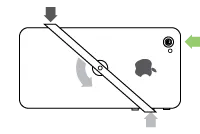
Flip phone is my answer to always having a finger in the way of iPhone photos. The simple lever moves the camera button (and volume) to the opposite side of the phone, moving the lens as far from the hand as possible. I used Shapeways to print the case and have been taking one-handed photos ever since.
Source files of the base iPhone case are available on Thingiverse, and the hinged version was posted shortly after.
Smithsonian Channel
iOS Developer · Potion · 2012
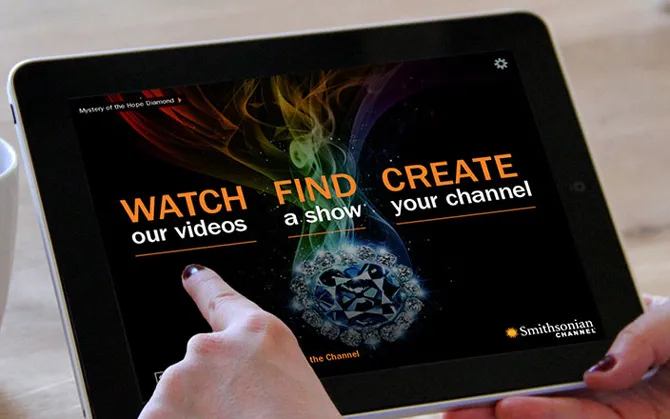
Smithsonian Channel for iPad
Along with a great team of designers and developers at Potion, I helped create a new way of finding content and exploring the Smithsonian Channel. We decided to take a new approach to watching TV, allowing the intersection of your interests to drive the content you watch. I wrote algorithms to provide both related and yet branching topics so viewers can always explore beyond their initial interest. The app provides a window into the TV — sometimes viewers were convinced they were watching live television from the smoothness of the interstitials.
Bubble Display
Designer & Engineer · 2012
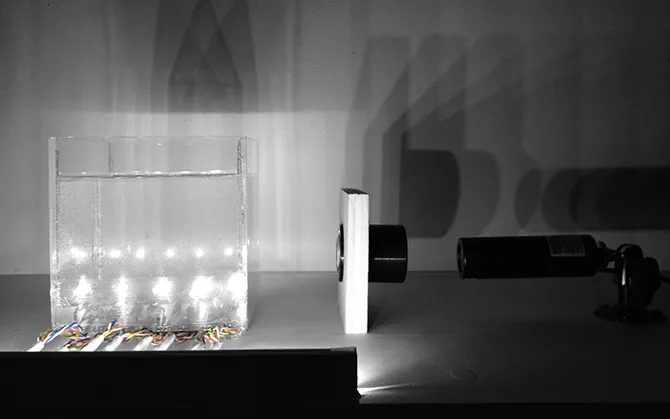
My interest and research with new ways to create volumetric images and displays led me to working with water and the possibility of changing water into gas to create forms within the water itself. As part of an installation at White Rabbit NYC, the bubble display converts water into Hydrogen and Oxygen to display patterns and forms in a 4-inch cubic tank. The camera and separate lens allow the viewer to refocus at different depths into the form, and the result is projected overhead, looking strikingly galactic — or lunar at the very least.
The process started with 8 AA batteries in series (12 volts) and an empty container modified to have 10 wires sticking through the bottom, sealed to be filled with salt water. The bubbles were more instantaneous than I had expected and I began playing with voltage as well as how to control each of the anodes. Initially intending to control 625 points, I created 2 versions — completing a version with an 8x8 grid of 64 anodes, which I provided a lens to look at with an analog video feed and an exposed lens to set the depth.
Reactive Graphics, The
Programmer & VJ · 2012
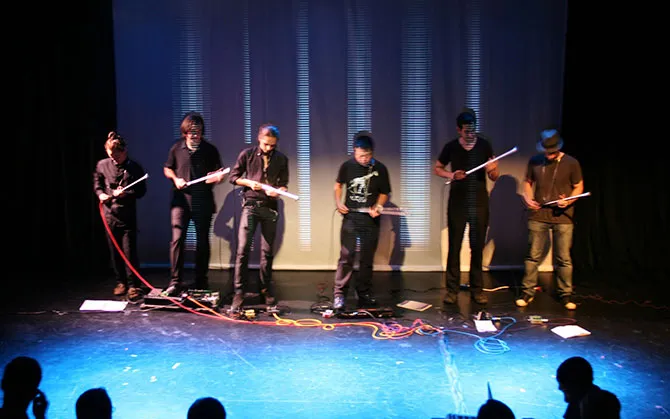
Gil Kuno's "Six String Sonics, The" gets joined by a set of reactive graphics designed with and programmed by Jon Bobrow. The graphics respond to each of the six strings' amplitudes as well as parametric controls of the VJ. Over an hour-long performance, the visuals migrate from very direct to more abstract representations of the song's form.
During a sequence called "percussive shapes", the visuals are both responding to the guitarists as well as creating percussive sounds as the objects bump into the borders of the stage.
A custom application was written in C++ using OpenFrameworks to interpret OSC messages from Ableton Live, Midi controls from a Korg Nano controller, as well as allow for realtime custom charts of values, averages, and parameters for the visualizations. The application also synchronizes with an Ableton Live timeline to progress scene by scene with the specific visual forms.
Self Orienting USB
Hardware Designer · 2010
WSB (like USB, but the Way it Should Be).
I am in the process of prototyping a USB peripheral's peripheral device which solves the problem of trying to connect a USB port upside down — especially helpful when the port is behind the computer or desk.
I thought of the idea while sketching out ideas to make electronics, such as the Arduino, easier for children to use. The result was a product to help adults in the most mundane of tasks.
The connector allows you to attach your USB peripheral without having to see the orientation of the port. Using two magnets of opposite polarity, the WSB pushes away when upside down and pulls together when properly oriented. Our plugs should be intuitive, but they should also make it easier for us to plug and play.
A year after prototyping the WSB, I decided it made sense to simply have the connector attract magnetically and work in both orientations. The idea was put to vote on Quirky in 2013 and did not go into production.
Toulouse-Lautrec Dot Matrix
Programmer · 2010
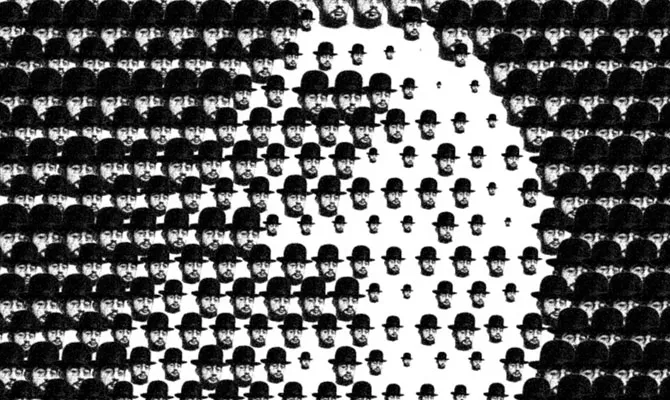
The large image of a Hasidic boy created from a repeating image of Toulouse-Lautrec's head is a creation of a Processing application I wrote for artist Brian C. Moss and an upcoming exhibit in Los Angeles. The program can recreate any image with any other image and has a series of variables that allow for calibration of contrast, image size, angle of the grid, and other features for color.
ok code
Programmer · 2009
OK CODE — the concept is that great things can happen from not stellar code.
After viewing OkGo's latest music video "WTF", I made a rare post to Twitter that the effect was cleverly executed and that I would recreate the effect with Processing so others could enjoy the effect visually and hopefully spark some curiosity towards coding. I was then contacted by a member of OkGo's online strategy team asking if I could make the application and whether I would be interested in making it with some features for their site.
Make your own music video competitions are pretty common these days, so my thoughts were to hold side-by-side competitions where fans have access to the open source code and some simple guidance on how to make minor adjustments. This would result in different versions of the music video based on the visual effect, alongside a competition to make your own using the same effect OkGo used. The focus would be for people new to coding — letting them know that possibilities are endless, even with just ok code!
Popcycle
Graphic Designer · 2010
When my friend David Meisenholder said he wanted to sell popsicles from a bike and call it the Popcycle, I said "brilliant!" and that night I made him a logo. Since I shared his excitement for the project, I tried to help in every way I could — putting together graphic materials and offering help with building plans and ways to attach parts.
I think the Popcycle is the perfect opportunity to promote many things I am passionate about, including bicycling, eating healthy, and being ecologically responsible. If LA is going to be filled with food trucks, we should also have some food trikes to shrink our carbon butt-print.
Algorithm-a-week
Programmer & Artist · 2010
Recently inspired by watching The Social Network, I decided to put more of my creative time outside of the office to use with code. Coding when you are inspired is the best way to program and I have been missing math in doses I used to be familiar with. I set a goal to pick an algorithm a week — or some mathematical expression to base a simple exercise around — for the upcoming year. I noticed that people generally turned away by math are able to understand rather complex concepts when they have visual aid.
-
ELO Rating Algorithm — The software creates a number of competitors, initializes them at a point value (avg. player = 1500), and then automates competition and updates the ratings accordingly. There is a simple color-based leaderboard to help add clarity to the automation, and the user can click to add competitors. The system dynamics make a visual argument for surrounding oneself by those one can learn from.
-
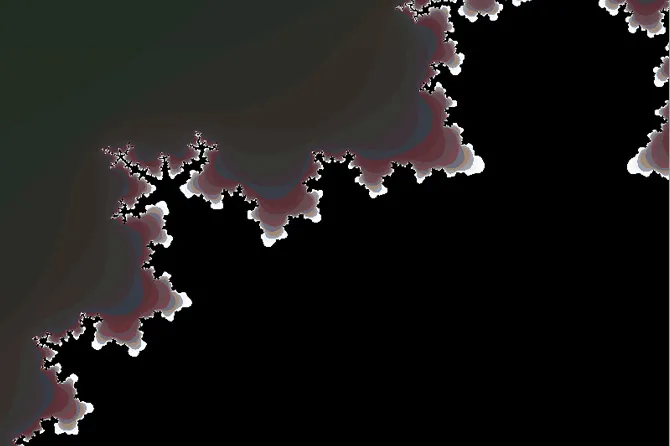
In Memory: Mandelbrot Set — The software renders a portion of the Mandelbrot set, coloring the excluded points by how many iterations it takes to decide the point will diverge. The colors are chosen from the webcam and live-updated, ordered by brightness.
Alumni Group
Web Designer · 2010
Previously a member of the UCLA Dance Marathon Committee — occupying such roles as Design Media Director and Production Director, overseeing a hundred-person committee of committed activists — I helped launch an alumni group for the almost 10 years worth of alumni of the event. I contributed time to build a website and strategized how to best create a strong network for the growth of the organization as a fundraiser and as a beneficial tool for alumni to stay connected to the cause.
Uganda Site : Dimagi
Web Designer & Developer · 2009
After visiting Dimagi in Boston and finding out about all of the great work the company does for the developing world, I volunteered my time to create some layouts for a project of theirs. This project is for the Uganda Ministry of Education and it monitors the status of schools in Uganda. The website displays info graphics for the data aggregated via SMS — school head masters are asked questions about attendance and water supply.
The map gathers data from an XML database created from a Django backend and displays each school with a dot representative of the state of the school. When clicking on a particular school, a comment box opens with more specific data. Although the map is Flash-based and uses the Google Maps API, the rest of the site is based in HTML and CSS for compatibility and accessibility.
IJM Enterprises
Web Designer & Developer · 2009
I was commissioned to create a Flash-based website to bring IJM Enterprises into the web era and allow future customers to explore this leader in theater consulting's portfolio of projects over the years.
Institute for Creative Technologies
UI Designer & Developer · 2009
While at USC Institute for Creative Technologies (ICT) I worked as a designer and developer, from planning to implementation of multiple projects. My contributions range from modeling a classroom to be built for a training system, to designing and programming touch screen games. I brought an identity and cohesive look to my projects as well as integrative programming to allow for the wide array of research software to be utilized in a deliverable.
Projects include:
INOTS — Immersive Naval Officer Training System
MCIT — Mobile Counter-IED Interactive Trainer
I created instructions for the touch screen games that show the user how to interact in an effort to make them universal and fast. Many projects at USC Institute for Creative Technologies, a UARC (University Affiliated Research Center), are aimed at preventative measures for the military. In the military's mission for counter insurgency, there has been a rise in casualties from Home Made Explosives (HMEs). Helping soldiers recognize components of IEDs and some of the commonly observed cues will hopefully save lives and create more alert and understanding soldiers.
Amazon.com Commercial
Motion Designer · 2009
Excessive Celebration Amazon Commercial — a motion design piece created for Amazon.com.
Congo Cash
Graphic Designer · 2009
Created as a way to help add momentum to D.J. Mbenga's rising popularity and KIVA micro loans to help entrepreneurs in developing countries such as the Democratic Republic of the Congo. Visit the site to learn more about why micro loans are the best way to help our developing world.
AP Custom Home Entertainment
Web Designer & Branding · 2008
AP Custom Home Entertainment is the smart home solution. As a member of the team, I have been an Apple computer specialist for networking and optimization. I was commissioned to create the identity for the company — from logo design, print advertisements, brochures, to web design.
BANANAS!*
Motion Designer · 2008
Rebeca Mendez Design was given the task of branding a film by Fredrik Gertten, BANANAS!*, which documents the process of a precedent-setting trial over Dole's treatment of Nicaraguan banana workers.
The creative logotype encompasses the subject and concept of the film — with the asterisk raising the questions that the movie reiterates. I was hired to help bring alternative visual effects to title sequencing and aid with the Flash elements for the website.
Working on the final stages of the production was fast paced and an exciting atmosphere for exploration with motion graphics.
Change
Typographer · 2008
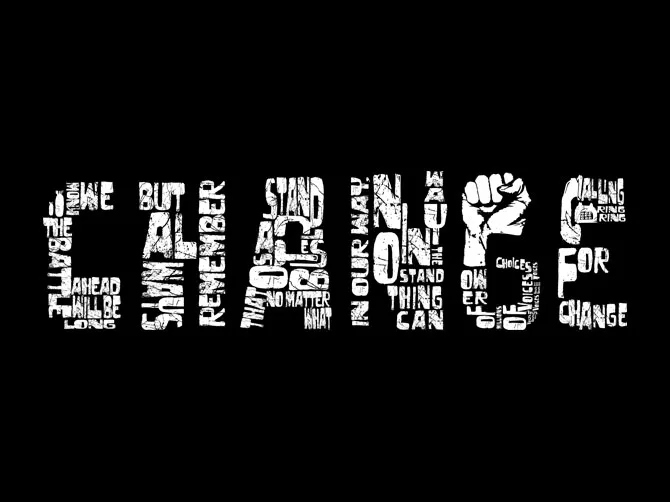
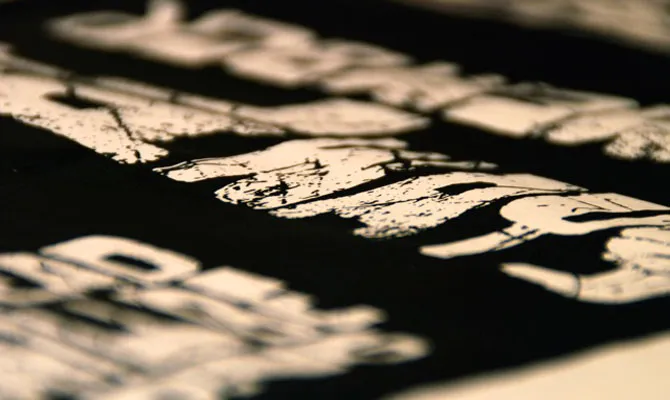
During the 2008 election year, I had never been so moved, inspired, and driven by politics that might be. The possibility of Barack Obama becoming President of the United States of America made me believe that greater change and progress are possible. This piece is a typographical representation of will.i.am's "Yes We Can," drawn from Obama's speeches. My main goal was to show the grassroots nature and coming together that Obama was inspiring each day.
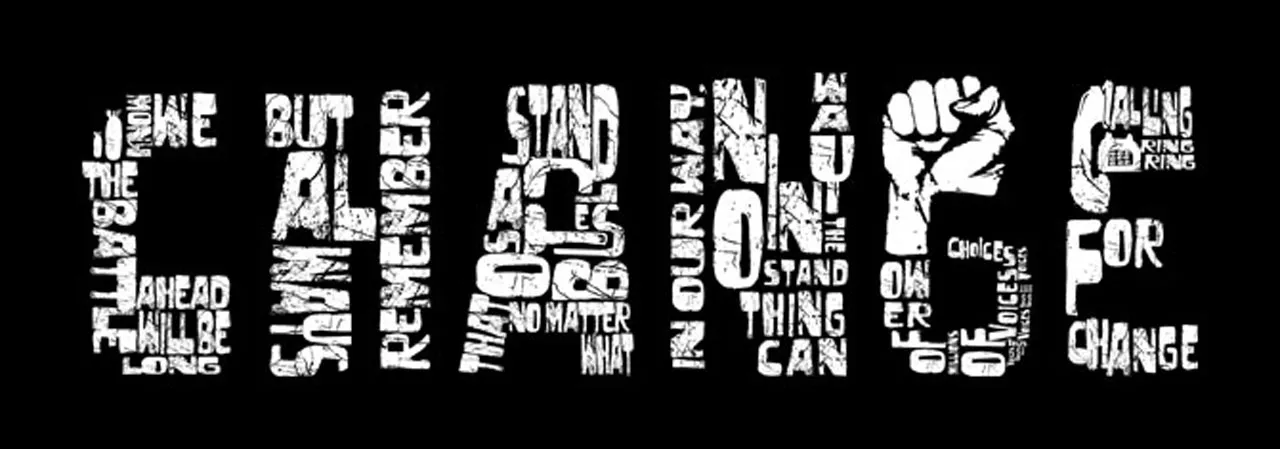
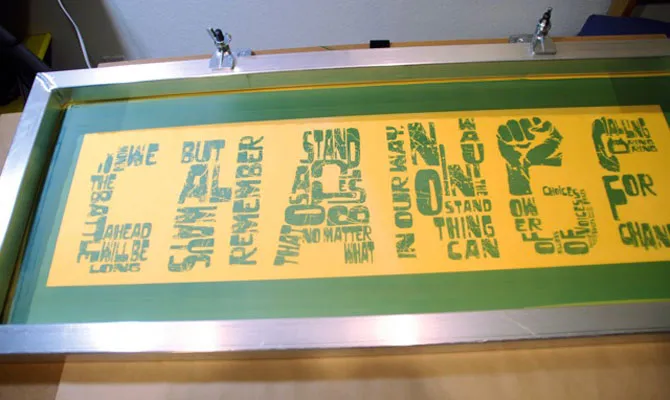
Large screen prints of the CHANGE logo were available — 13" x 38", black ink on hand made paper.
Lose Your Calm
Artist & Performer · 2008
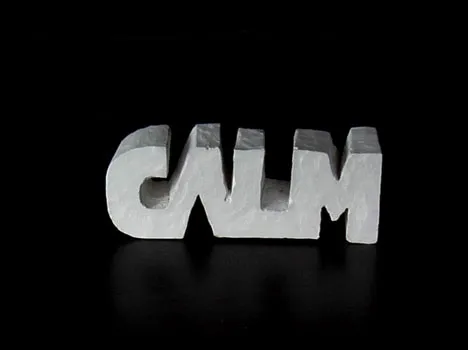
The Dutch design group MACHINE came to UCLA D|MA and challenged the senior class to create material for multiple VJ shows. Each team of two students was given a word/emotion to represent — ours was anger. Instead of doing direct typographical work with the word anger, we decided to destroy, typographically, words that would be lost in a moment of anger.
Calm — cast in plaster from a clay mold, the calm white block letters get shattered by the swift blow of a hammer.
Reason — cut from balsa wood and then set aflame, the word vanishes in smoke and charcoal.
Ideally this would have been shot with a high speed camera, but as design students, we did the best with what we had.
Rube Goldberg Voting Machine
Hardware & Installation · 2008
An exercise of both political and electronic critique, the Rube Goldberg Voting Machine was a functional piece of artwork with strong concepts and collaboration.
Each student of the electronic programming class was given a 1' x 1' cube — and in some cases two — to build a modular piece of an eventual voting machine. The piece must receive a vote (A or B), process the vote in its unique way, and pass on the vote to the following piece. This project involved interfacing electronics with code, but more importantly, electronics with other electronics.
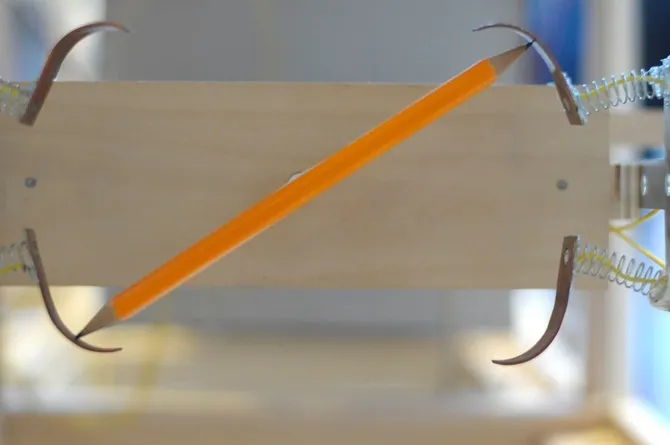
My cube was a commentary on the evolution of the voting machine, utilizing one of the first methods to electronically count votes (the conductivity of lead marked on a scantron) to pass the vote on to the next module through a pencil. A pencil mounted on a servo rotates and eases into position with two copper contacts and passes the signal on.
I also worked with Fei Liu and Megan Daalder to create a seamless transition from leveraged meat, to conductive contacts, to a station-changing radio that turns on to give us just enough out-of-context commentary.
The absurdity of our voting machine might not seem so absurd when we had a comparable accuracy percentage to a certified machine.
Beat Box
Hardware Designer · 2007
When challenged to create an interesting interactive piece in a confined cube using only one input and one output, I created the Beat Box. The Beat Box senses its orientation based on a digital accelerometer, and it also senses the rate at which it is moved. Using these senses, I assigned certain frequencies for the speaker to pulse at, creating different pitches and rhythms depending on the tilt and orientation. As an easter egg, shaking the device rapidly changes the mode of the audio from pulsing to constant beats.
The intent of the piece was to give no instructions to the user and allow the user to learn the interface by exploration. Most users attempted to create unique beats or recreate music that they are familiar with.
As a side project for myself, I decided to build the Arduino on a breadboard instead of using the fabricated Arduino. The accelerometer is then housed and stabilized simply by placing it in the breadboard.
Amores I
Interactive Artist · 2007
This project was an exercise in using iterative processes and symbolic imagery to create a visual music for a musical composition. The composition I chose to perform was Amores I by John Cage. Known for his use of instruments in nontraditional ways — i.e. hitting a piano with a hammer — Cage inspired me to use an electric guitar connected to my computer, and play it with a mallet to control aspects of my program.
The song passes through multiple phases, and with each phase the aesthetic progresses. My goal was to create a stimulating visual that would create a direct relationship with the aural presence. Note that this is a live performance, so elements of the program are keyed by me and the guitar instead of on a determined timeline.
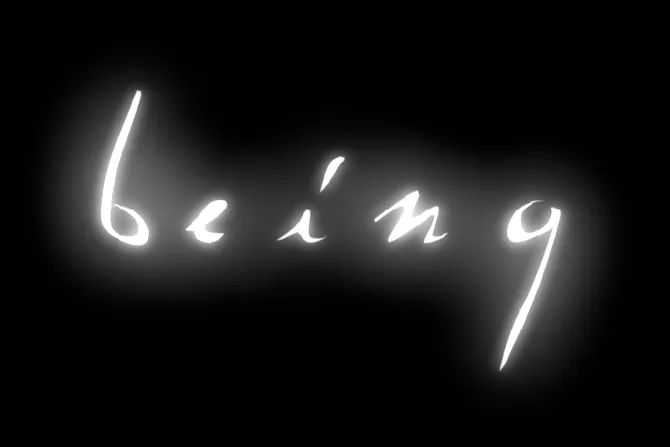
Being
3D Animator · 2007
The Unbearable Lightness of Being by Milan Kundera was the focus for this piece. The concept is to capture through motion of the text the lightness of being. Kundera explains that it might not be the weight of life that gets to us, but perhaps the lightness in which it is finite and impermanent. The lightness of being is in fact the toughest part of being at all.
Other inspirations were the motion of the feather in Forrest Gump and the plastic bag from American Beauty.
Closer, Susan Kozel
Book Designer · 2007
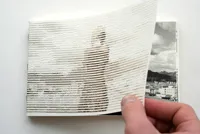
The book entitled Closer by Susan Kozel explores Maurice Merleau-Ponty's definition of phenomenology. In creating a book for Kozel's work, I aimed to create a piece of work that engaged the reader's senses in a similar way as her work does, using a hybrid of technological and organic.
The cover of the book is an ASCII version of one of her images laser engraved into a sheet of paper. The delicate nature of the cover and its transparency give insight to the theme of the book, alluding to a personal and layered relationship to technology.
Cube
Artist · 2007
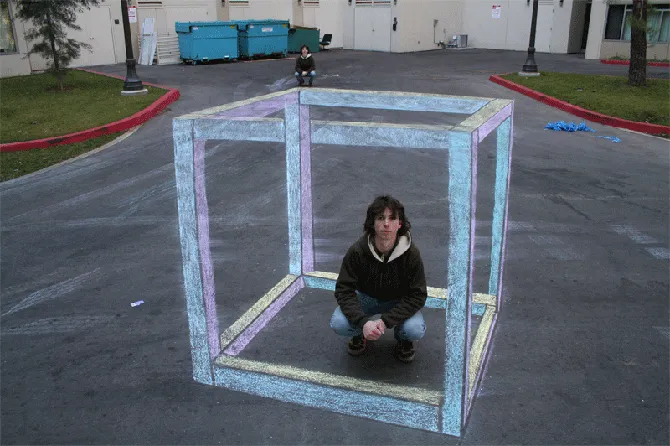
The anamorphic cube was first rendered in Maya, and then I recreated it in proper perspective in chalk to appear as a 3-dimensional object from a single viewing point. The entire cube was as tall as 50 feet and wide as 30 feet. I started this project at 2 in the morning and completed it before my 12 o'clock class.
Also note that the cube doesn't look quite right — this is a purposeful design to question the already questionable dimensions, similar to the "freemish crate" made famous by M.C. Escher.
Take a look at the size difference in the photo where I am on top of the cube and inside of it as well.
False Archive
3D Artist · 2007
This is my recreation of a famous Thomas Demand photograph called "Archive," in which he creates the illusion of an archive of cardboard boxes by building the entire scene out of cardboard. Although the image is quite simple and redundant in its form, especially for a modeling exercise, I focused on the subtlety of the image — with lighting and slight variation of placement.
My piece is supposed to be redundant in a different way. Since the original is a play on what is real and what is constructed as a set, my objective was to make a set that was entirely fictional, only exists in numbers and code, and pass it off as a "real" image. To achieve certain variation without endless hours of moving each box, I used some simple code with the help of a fellow student Rick Gilliland, and applied a random generator to make subtle shifts in position and scale to the boxes.
Flash Portfolio Site
Web Designer · 2007
Another portfolio site created in Flash. The old jonathanbobrow.com.
Lost
Filmmaker · 2007
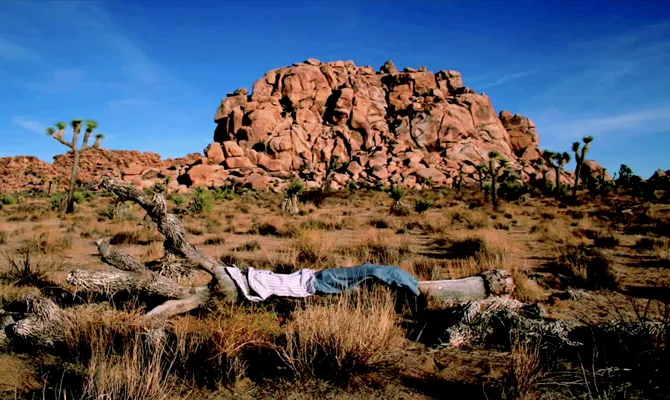
Although this piece was made to loop, the concept was to feel as lost as these wandering clothes are. The unfamiliar, deserted territory is no place for these crawling clothes. Will the lost ever find what it is looking for?
Slit Scan
Programmer & Hardware · 2007
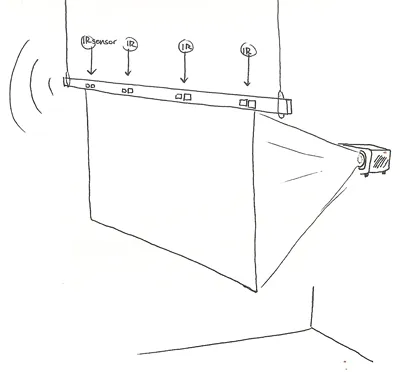
This is my final project for an independent study workshop with Casey Reas at UCLA D|MA. It is a slit scan utilizing 4 infrared sensors to determine my position and proximity. All code was my original code written in Processing and interfaced with Arduino. The effect is created by treating each previous frame in the video like it is in a stack of papers — you can push into that stack to see the previous footage.
TVOT
Interactive Artist · 2008
An installation at the TV Of Tomorrow conference at the Yerba Buena Center for the Arts in San Francisco.
Today, TV is not what we once knew it as. It is no longer just a delivery of visual and aural information from which people would gain knowledge of that which could not be seen locally. Many televisions today are connected to a TiVo or DVR in which the viewer can select what they want to see, when they want to see it. Companies have begun purchasing the lower part of the screen during a show. Online, companies have the ability to cater advertising to your preferences.
As a participant steps into the space that is our TV, the participant is followed by an advertisement — even involved in it. It is as though the motion advertising has bought the bottom half of the participant's life. It is a form of ambient advertising, constantly there, in an attempt to organically join the passerby's mind.
Concepts + Proposals
Concept Designer · 2010
Side Projects and Proposals
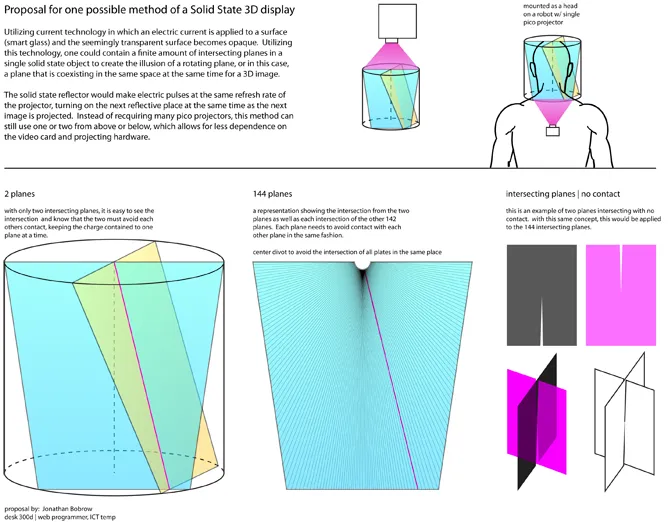
[solid state 3D display] — Only a proposal for a possible way to create a solid state 3D display which I conceived while viewing a presentation of USC ICT graphics lab's 3D display. The current display requires a rotating reflector which limits the application as well as longevity of the system, so I drew up plans for a solid state version utilizing "smart glass" embedded in a careful pattern to create the same effect as a rotating plate.
[bolt on hybrid] — I worked on designing the structure and components of a battery-powered motor that attaches to the rear wheels of any car to assist the gas motor upon acceleration and recharge during coasting and braking. The illustration shows how the sprocket would attach to the outside of any wheel with the use of customized lug nuts.
Old High School Friend
Product Designer · 2014
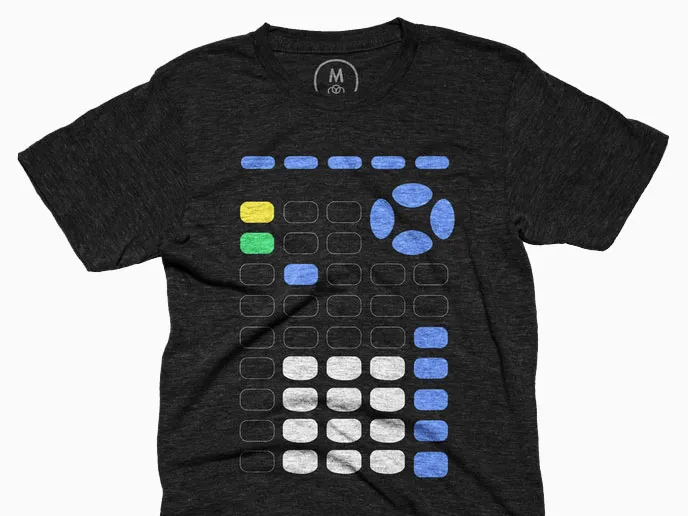
Ever since high school, I wanted to create a brand for exciting mathematical concepts. While I still pursue this goal with other means, this t-shirt was a way of paying homage to the tactile interface to the first "computer" I learned to program on — the ever-present TI-83 Plus.
Shirts are produced by the wonderful people at Cotton Bureau.